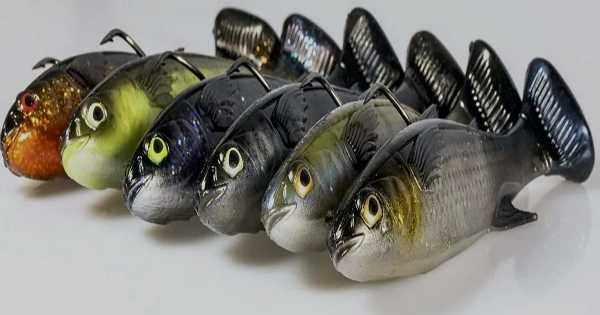
Along the North Carolina coast, where marsh creeks wind through spartina grass and the Intracoastal Waterway carries a mix of fresh and salt water, inshore anglers have increasingly turned to one versatile lure that consistently produces results: the swimbait.
While these soft plastic lures with their distinctive paddle tails have gained popularity among coastal fishermen, success often comes down to technique rather than the lure itself, according to a USCG-licensed charter captain with years of experience fishing North Carolina's inshore waters from Ocean Isle Beach to the state's vast network of tidal creeks.
"When anglers struggle with swimbaits, it's almost never because the lure doesn't work," explained the seasoned captain, who has spent countless hours navigating the waters around Ocean Isle Beach, marsh creeks, and the Intracoastal Waterway. "It's usually because of retrieve speed, [jig head](/gear/jig-head) weight, or where the bait is being presented in the water column."
"When anglers struggle with swimbaits, it's almost never because the lure doesn't work,"

The captain's reliance on swimbaits stems from their ability to imitate the abundant baitfish that form the foundation of North Carolina's inshore food web. "Swimbaits are one of the lures I rely on year-round because they imitate what inshore fish are already feeding on and can be fished effectively in a wide range of conditions," he said.
"Swimbaits are one of the lures I rely on year-round because they imitate what inshore fish are already feeding on and can be fished effectively in a wide range of conditions,"

This mimicry proves particularly effective in North Carolina waters, where species like mullet, menhaden, and mud minnows are present throughout the year. The swimbait's design allows it to closely match both the profile and movement of these forage fish, creating a presentation that proves irresistible to predatory species.
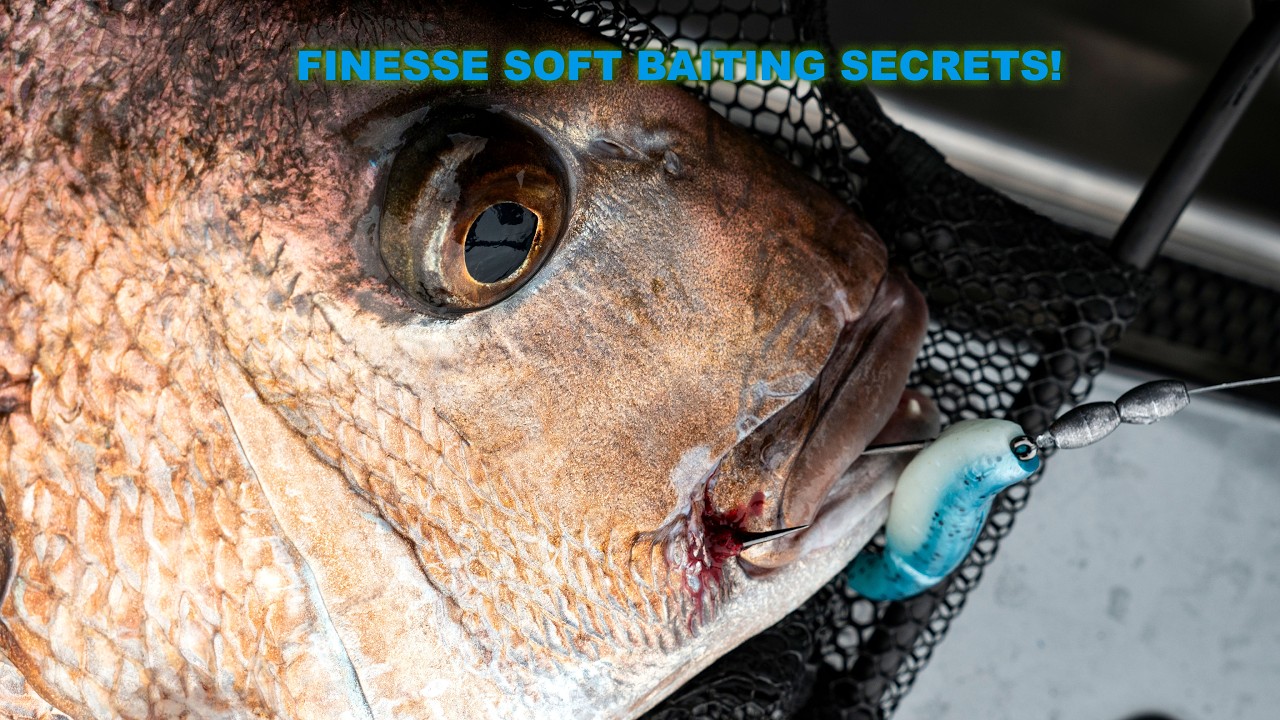
For anglers looking to master the swimbait technique, the charter captain advocates for a streamlined approach that eliminates unnecessary complexity. His go-to setup centers around proven components: a 20-pound fluorocarbon leader connected with a reliable Palomar knot, paired with a quarter-ounce Z-Man Texas Eye or Trout Eye jig head and a Z-Man Swimming Trout Trick soft plastic.
"Contrary to popular belief, a loop knot is not required when fishing a swimbait, as the paddle tail provides plenty of action on its own," the captain noted, dispelling a common misconception among anglers who believe specialized knots are necessary for optimal lure action.
"Contrary to popular belief, a loop knot is not required when fishing a swimbait, as the paddle tail provides plenty of action on its own,"
Color selection follows water clarity conditions, with white proving effective in clear to lightly stained waters, while root beer and chartreuse combinations excel when visibility decreases in stained or dirty conditions.
The key to swimbait success lies in understanding how water temperature affects fish behavior and adjusting retrieval techniques accordingly. In colder waters, the captain advises fishing the swimbait slowly and maintaining close contact with the bottom structure where fish tend to hold during temperature drops. As water temperatures rise, a slightly faster retrieval can trigger more aggressive strikes from active fish.
"Maintain bottom contact or swim the swimbait just off the bottom depending on current and depth," he advised, emphasizing the importance of reading water conditions and adjusting presentation depth accordingly.
"Maintain bottom contact or swim the swimbait just off the bottom depending on current and depth,"
This approach proves effective across North Carolina's diverse inshore environments, from the shallow marsh creeks that snake through coastal wetlands to the deeper channels of the ICW and the current-swept waters of coastal inlets. The versatility extends beyond state boundaries, with similar techniques proving successful along Gulf Coast waters that share comparable habitat characteristics.
The effectiveness of swimbaits becomes particularly pronounced during challenging conditions that test angler skills and lure selection. Winter months and post-frontal conditions, when fish become lethargic and less willing to chase fast-moving presentations, represent prime opportunities for swimbait success.
"A soft plastic swimbait produces a natural swimming action even at very slow speeds—critical when fish are pressured," the captain explained, highlighting how the lure's design allows for effective presentations even when fish are reluctant to feed aggressively.
"A soft plastic swimbait produces a natural swimming action even at very slow speeds—critical when fish are pressured,"
Compared to other soft plastic options like grubs or soft jerkbaits, swimbaits offer distinct advantages in inshore applications. Their design promotes straight tracking through the water column without constant rod manipulation, while maintaining a natural appearance during slow retrieves that might render other lures ineffective.
"Compared to grubs or soft jerkbaits, swimbaits are more forgiving," noted the captain. "They track straighter, don't require constant rod action, and still look natural when retrieved slowly—making them ideal for inshore fishing where fish are often pressured."
"Compared to grubs or soft jerkbaits, swimbaits are more forgiving,"
The swimbait's appeal extends beyond its fish-catching ability to its practical advantages for both novice and experienced anglers. The lure's forgiving nature allows newcomers to achieve success without mastering complex retrieval techniques, while its versatility provides seasoned anglers with a reliable option across varying conditions and target species.
As North Carolina's inshore fishing continues to attract anglers from across the region, understanding the nuances of swimbait fishing provides a significant advantage in waters where success often depends on matching local forage and adapting to ever-changing coastal conditions.