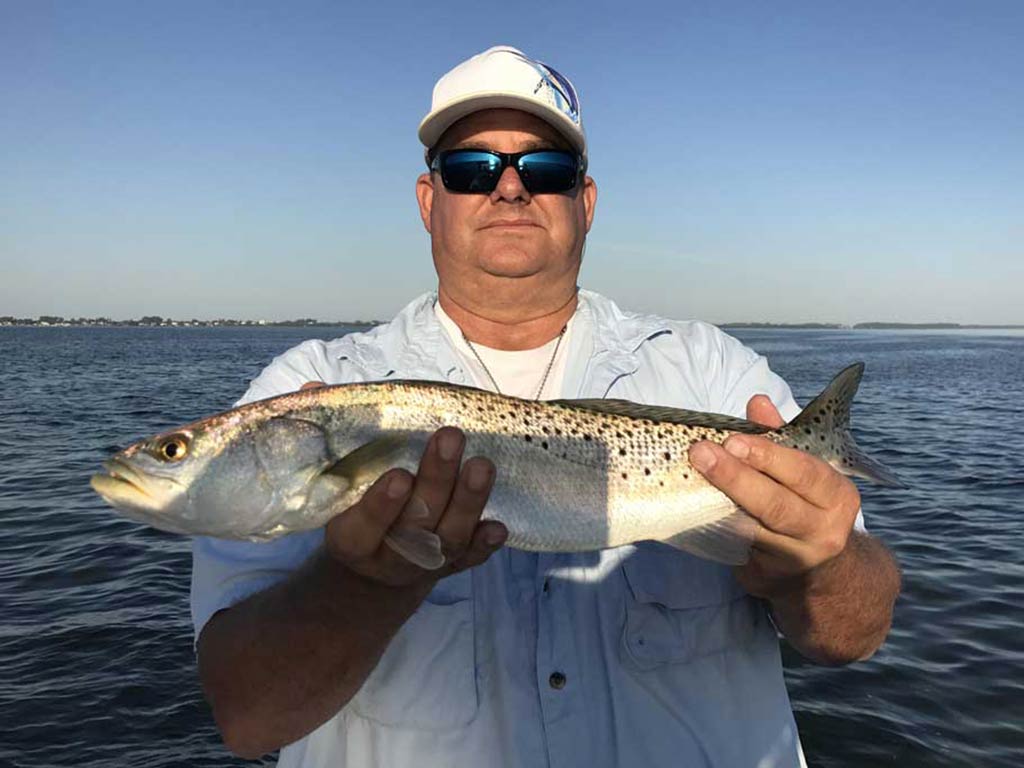
Jigging has been a cornerstone of angling practices for generations, revered for its adaptability and efficiency in both freshwater and saltwater settings. By using a weighted lure, or jig, anglers can imitate the movements of prey, enticing a variety of fish. "Mastering this technique can significantly improve your fishing success," said fishing expert Mike Long.
"Mastering this technique can significantly improve your fishing success,"
To excel in jigging, understanding the different types of jigs is essential. Vertical jigs are designed for deep-sea fishing, featuring a long and slender profile to enable quick sinking. "Casting jigs are perfect for covering large areas in shallow waters," added Long, emphasizing their effectiveness in diverse conditions. Flutter jigs, which mimic the erratic motion of dying baitfish, are ideal for slower presentations, while soft plastic jigs stand out for versatility, especially among freshwater species like bass and walleye.

"Casting jigs are perfect for covering large areas in shallow waters,"
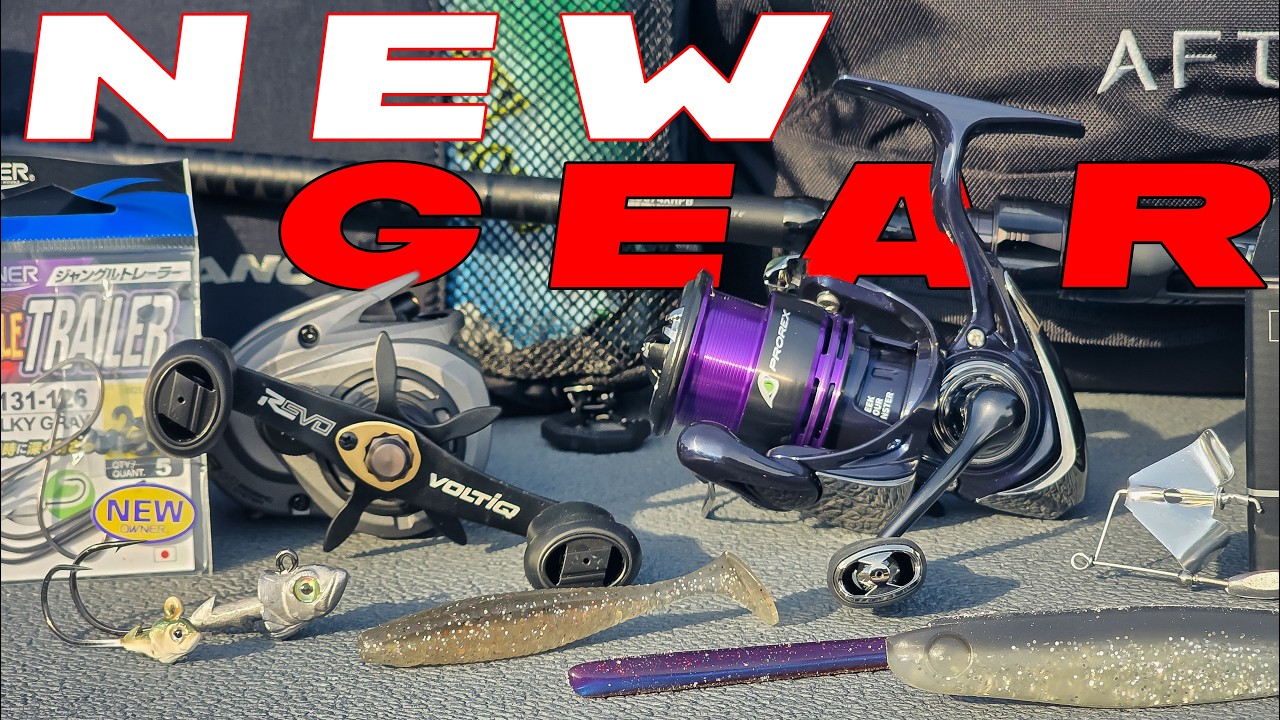
Equipping yourself with the right gear is crucial for jigging success. A medium to heavy-action rod with a sensitive tip is recommended to detect subtle bites. "Using a spinning or baitcasting reel with a high gear ratio is essential for swift line retrieval," Long advised, ensuring anglers can efficiently manage their tackle. Alongside a strong braided line, adding a fluorocarbon leader helps maintain stealth underwater. Lastly, make sure your hooks are sharp and durable to withstand aggressive strikes.
"Using a spinning or baitcasting reel with a high gear ratio is essential for swift line retrieval,"

The process to jig effectively can be summarized in a few essential steps. Begin by casting or dropping your jig—depending on the target species—allowing it to sink to the desired depth. "Start jigging by lifting the jig and letting it fall naturally, simulating the erratic movement of prey," Long explained. Varying the speed and rhythm during the jigging process is critical; finding the right cadence can be the key to success. When a fish bites, remember to set the hook with a firm upward motion of the rod.
"Start jigging by lifting the jig and letting it fall naturally, simulating the erratic movement of prey,"
To elevate your jigging performance, consider these valuable tips. Understanding fish behavior is paramount; researching the feeding habits and patterns of your target species will give you insights into the best techniques to employ. "Using electronics, like a fish finder, can help locate schools of fish and the ideal depths for feeding," said Long. Matching the hatch with jigs that resemble local baitfish increases your chances of landing a catch.
"Using electronics, like a fish finder, can help locate schools of fish and the ideal depths for feeding,"
Race Results
Patience is a virtue while jigging. "If one spot doesn't yield results, don’t hesitate to move to another," Long noted. Furthermore, maintaining subtle movements during jigging can sometimes lure more fish than aggressive actions.
"If one spot doesn't yield results, don’t hesitate to move to another,"
Race Results
Some spots are particularly productive for jigging. Reefs and wrecks provide habitats for many species, making them prime locations for vertical jigging. Drop-offs, where water depth changes suddenly, often attract fish, making them ideal spots as well. Additionally, casting jigs along rocky shorelines can yield excellent results.
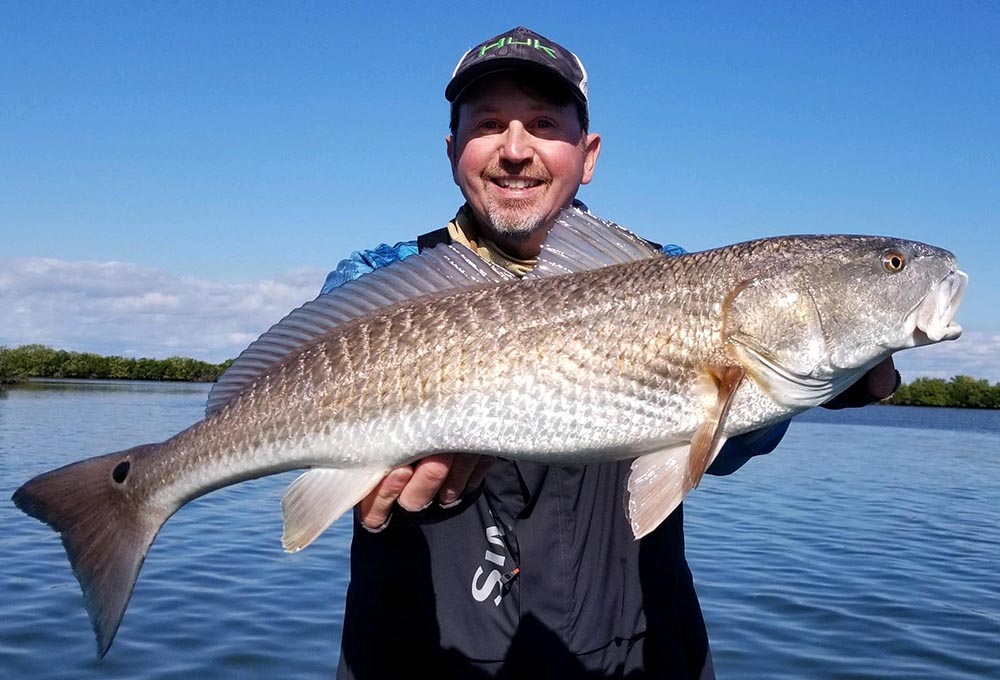
The species you can catch with jigging are numerous. Whether targeting saltwater species like tuna, grouper, snapper, and mackerel, or freshwater favorites such as bass, walleye, pike, and trout, jigging proves effective across various environments.
However, safety should not be overlooked while engaging in this popular fishing method. Staying alert and aware of one’s surroundings, especially on a boat, is vital. Wearing protective gear like gloves can help prevent injuries from line cuts, and polarized sunglasses can aid in better visibility. Furthermore, anglers are advised to keep a keen eye on the weather conditions, avoiding trips during rough seas or storms.
The effectiveness of jigging lies in its ability to mimic the natural movements of prey, triggering the predatory instincts of fish. "The versatility of jigs and the skill to control their motion make them an essential tool in any angler’s arsenal," said Long, underlining the technique’s enduring appeal.
"The versatility of jigs and the skill to control their motion make them an essential tool in any angler’s arsenal,"
In conclusion, mastering jigging may take practice, but the potential rewards certainly make the effort worthwhile. With the right equipment, techniques, and mindset, anglers can transform an unproductive fishing outing into a fruitful experience. As Mike Long stated, "With dedication and perseverance, you'll turn your fishing day into a memorable one."