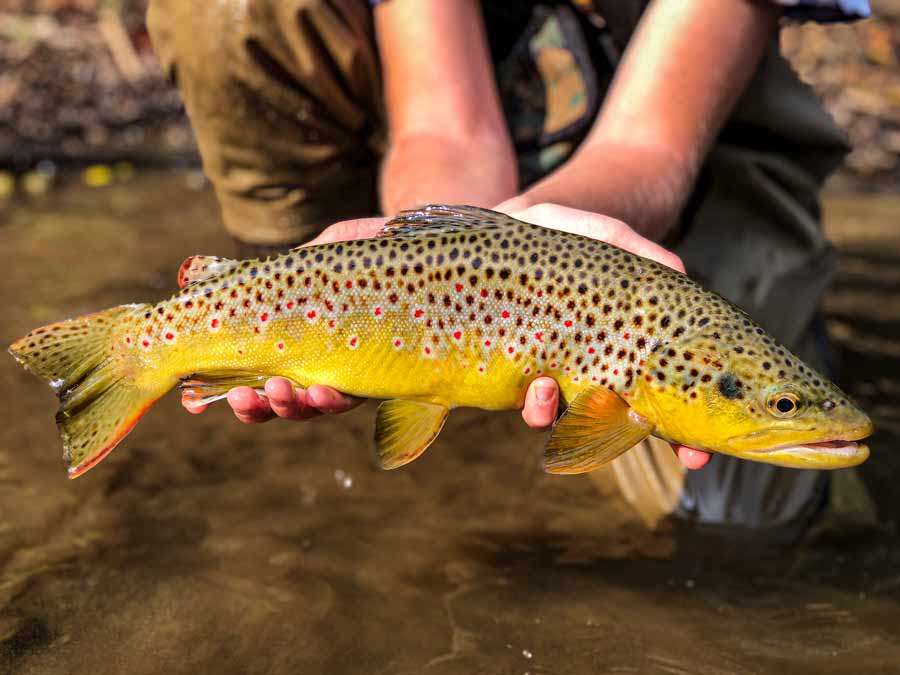
Low water conditions can transform a familiar fishing spot into a puzzling challenge for anglers. The stakes are high, but embracing this difficulty can lead to greater fishing skills and patience.
"Stealth and focusing on only spots that might hold big fish are the keys to success," said George Daniel, an experienced angler and the operator of Livin On The Fly. Having faced many struggles in low, clear water recently, Daniel emphasizes the necessity of adapting strategies for this environment.
"Stealth and focusing on only spots that might hold big fish are the keys to success,"

With streams running lower than usual, many typical fishing spots lack the depth to attract larger trout, causing them to seek refuge in deeper pools. Daniel pointed out, "I’m amazed to see how few anglers target these pools." Often, when these locations are fished, anglers tend to rush, casting quickly to cover all available water without fully considering the behavior of the fish.

Fish in low water situations are easily spooked. A single disturbance can send them fleeing for the depths, meaning that careful movements and calculated strategies become essential. "Trout holding in pools during times of low water are on high alert, and any disturbance is going to put these fish down for a while," Daniel warned. Even the smallest missteps, like a poorly executed cast or the commotion caused by fighting a smaller fish, can ruin an angler’s chances for success.
"Trout holding in pools during times of low water are on high alert, and any disturbance is going to put these fish down for a while,"
Daniel highlights the critical importance of location, emphasizing the need for careful placements around the pool. He shared insights from his experiences: "To find big fish in pools during low water, look for places with cover and protection." In one of his go-to fishing spots, a 100-yard pool, only five specific locations along the bank offered the necessary cover for larger trout to thrive.
Race Results
In the past, Daniel admitted he employed a more simplistic approach, treating the area with a ‘shotgun’ technique: "I would just fish all the water in this pool, working small grids." However, this method rarely resulted in landing larger fish. That changed when he began focusing exclusively on those areas where he had seen bigger trout spook, honing in on the real estate that truly mattered.
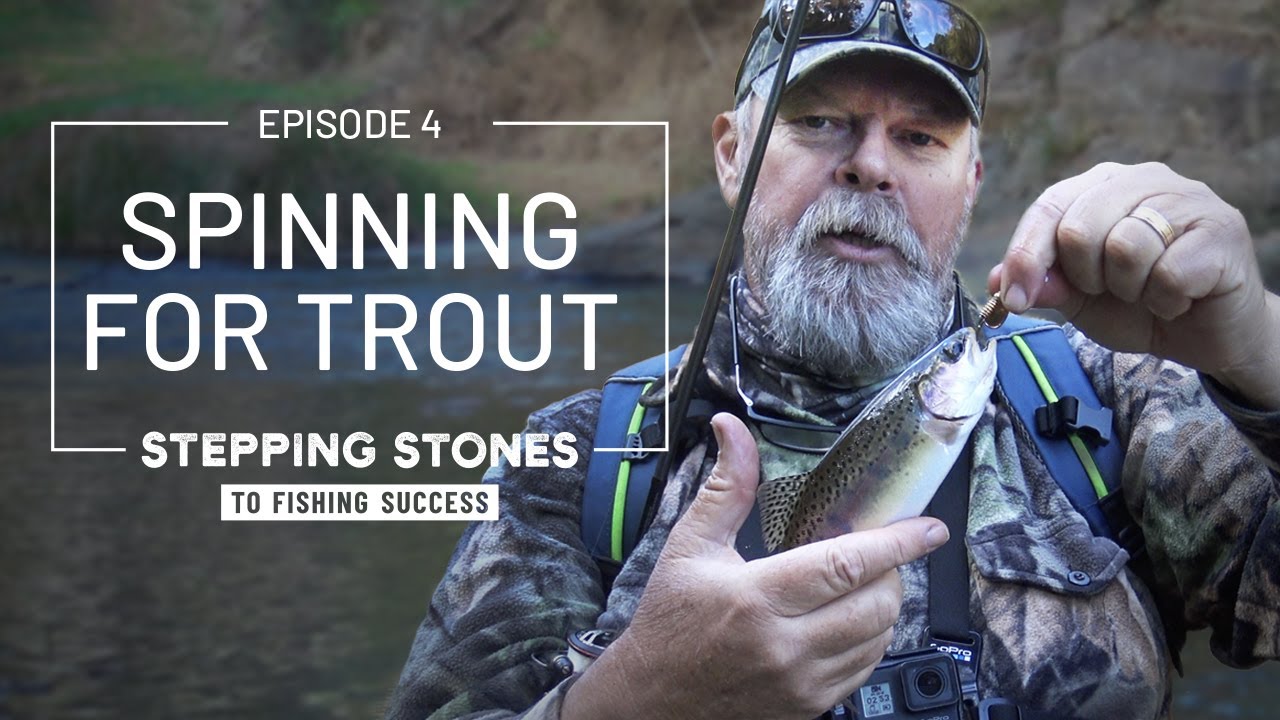
The key to effectively fishing these areas lies in patient movement and strategic positioning. "I used a slow, careful wading approach to the first target area, taking as long as five minutes to get into position," said Daniel. He equates the angler’s mindset in these scenarios to that of a sniper, emphasizing the necessity of precision. "Since you rarely get a second chance in these conditions, you need to be ready."
"I used a slow, careful wading approach to the first target area, taking as long as five minutes to get into position,"
Once in position, Daniel suggests allowing the water to settle before casting. He advises waiting a minute or two so that any noise made while wading does not keep the trout on edge. The first cast is crucial: if it doesn’t produce a bite, he recommends trying a few more, but not at the expense of too much time. "If the fish doesn’t take on the first cast, try just a few more and then move to the next target," he explained. He notes that this method can lead to a slow fishing pace, but it’s often rewarding.
"If the fish doesn’t take on the first cast, try just a few more and then move to the next target,"
"In a 100-yard-long pool, it may take me 30 minutes to make only 10 or 12 casts," Daniel stated, illustrating that the careful strategy is often more effective than rapid-fire casting. Such patience was a quality he admits he only began cultivating over time.
"In a 100-yard-long pool, it may take me 30 minutes to make only 10 or 12 casts,"
Ultimately, the process requires acceptance of low success rates even when effort levels are high. The challenge of low-water fishing drives Daniel's passion for angling. "Sometimes these efforts will pay off with big trout. Patience has yielded me some of my best low-water trout, and I know it will do the same for you," he concluded,
Focusing on the nuances of low-water trout fishing can not only improve success rates but also enrich the angling experience, transforming challenges into opportunities for personal growth and satisfaction on the water.