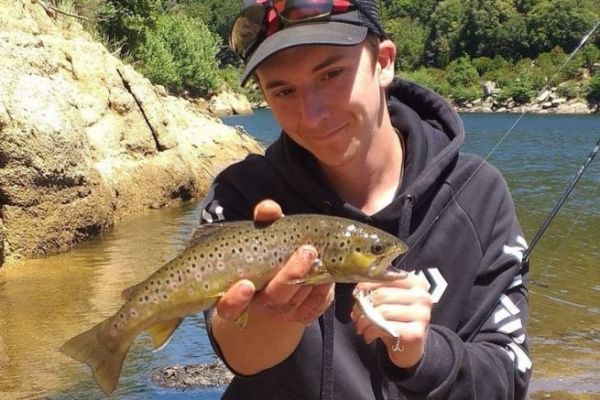
When venturing into the world of trout fishing, particularly with lures, grasping the basics of fish behavior and seasonal patterns is vital. As anglers delve into the intricacies of this sport, it becomes clear that success hinges not only on technique but also on adapting to environmental factors.
Trout fishing using lures is versatile and can be done year-round, within legal limits. However, the effectiveness of this method varies significantly by season. "The period following the opening is often synonymous with low temperatures and therefore not very active fish," remarked a seasoned angler. According to this expert, the best time to fish is usually between mid-April and June, when temperatures begin to rise and trout become more active.
"The period following the opening is often synonymous with low temperatures and therefore not very active fish,"

During the summer months, anglers face unique challenges; water clarity increases and levels often drop, complicating lure fishing. With fish primarily feeding on larvae and nymphs in hot months, anglers may struggle to match their lures to the trout's natural diet. "The month of September, before the closing, is a very good season, especially during sunrise and sunset when trout are hunting on the edges," the expert continued.
"The month of September, before the closing, is a very good season, especially during sunrise and sunset when trout are hunting on the edges,"

Understanding trout behavior is crucial as these fish demonstrate both intelligence and aggression. They can be skittish but are also known to defend their territory fiercely. Their dietary needs shift with the season, and this necessitates an adjustment in lure selection. At the start of the season, many trout feed on their offspring, making smaller, imitative lures a smart choice. As the season progresses, their diet often shifts towards minnows. "To provoke attacks, do not hesitate to use large lures (7 to 9 cm) to trigger aggressive strikes," one angler suggested, highlighting the importance of adapting to fish behavior.
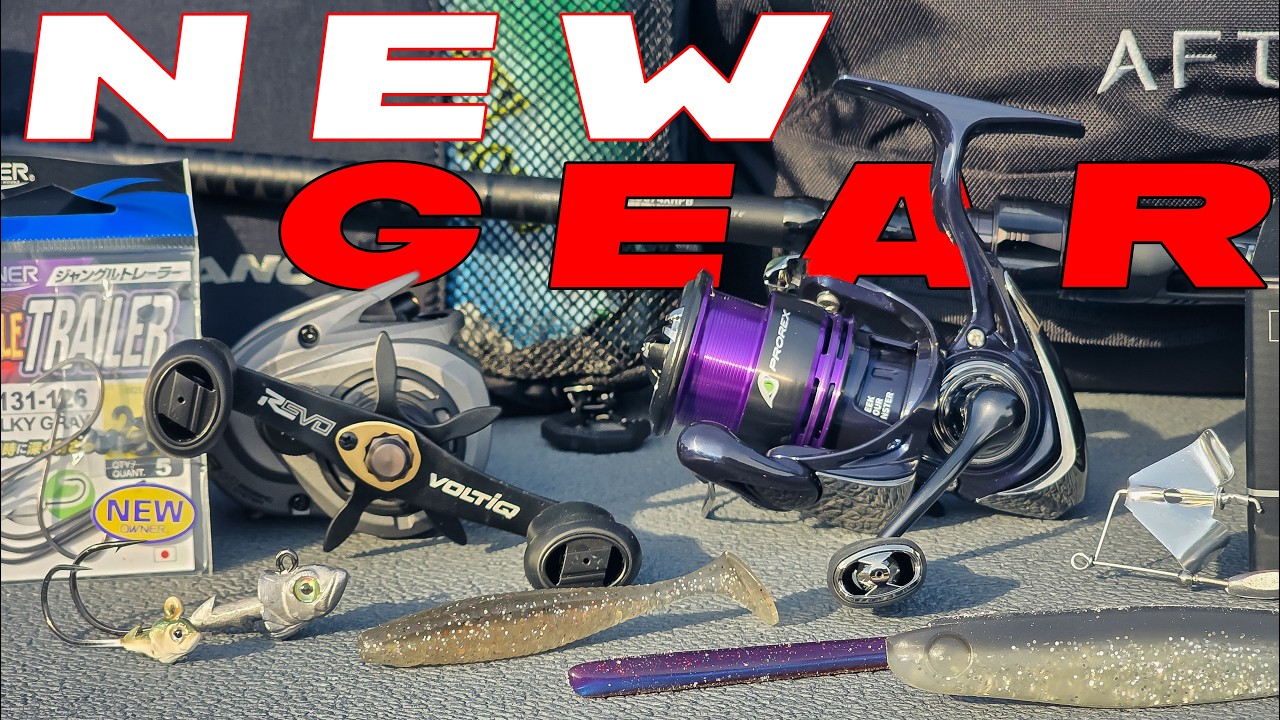
"To provoke attacks, do not hesitate to use large lures (7 to 9 cm) to trigger aggressive strikes,"
Summer presents its challenges as well. Smaller lures, particularly soft lures and spoons, work better during this time due to the clear water conditions. It's a delicate balance that every angler must navigate, but with insight into trout patterns, success becomes more attainable.
Impact and Legacy
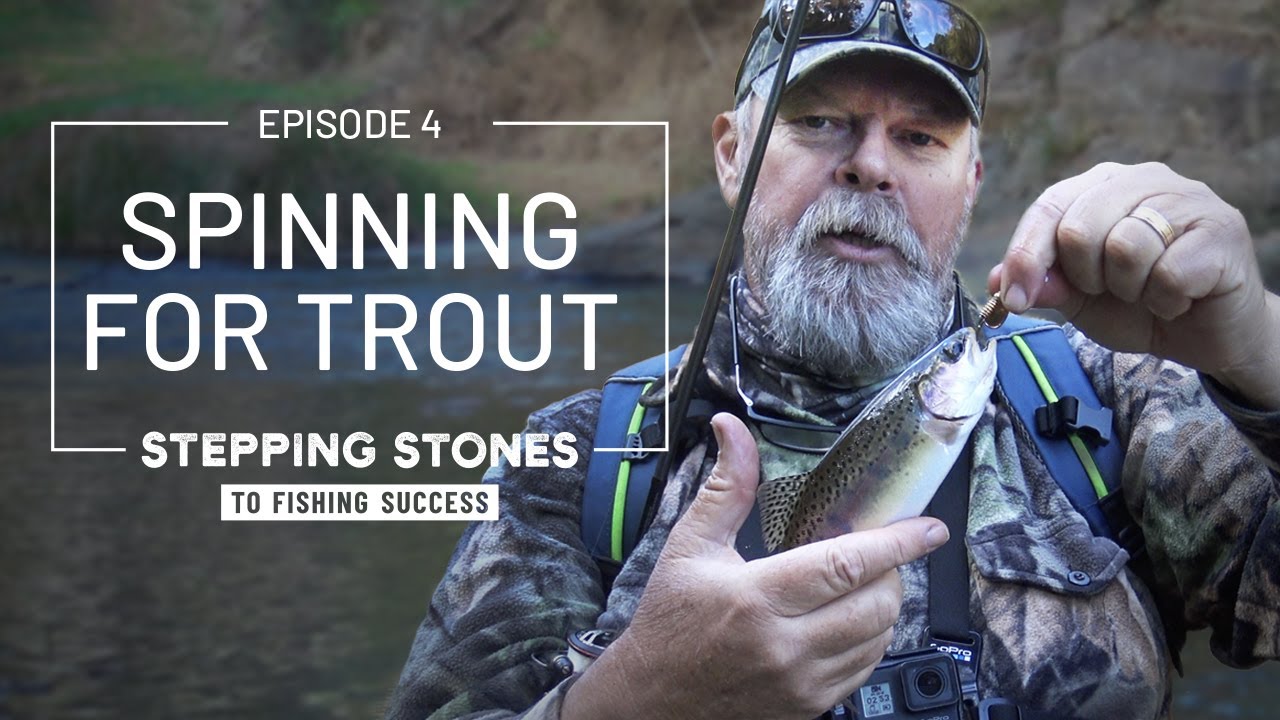
The fishing environment also changes with the seasons, influenced heavily by the river's biotope. Each river presents unique characteristics, but water temperature remains a key factor in trout distribution. Anglers will seldom find trout in shallow riffles during colder openings. Instead, they often dwell in deeper waters during warm spells.
"In the summer, fish choose from two options. The first, large flats with weak currents to nymph and turn over rocks in search of invertebrates. The second, holes with a good depth to rest if the waters are too warm on the surface," explained an avid fishing analyst. As evening approaches, trout are known to migrate to the edges of the river, taking advantage of the [cooler](/gear/cooler) temperatures and lower light conditions.
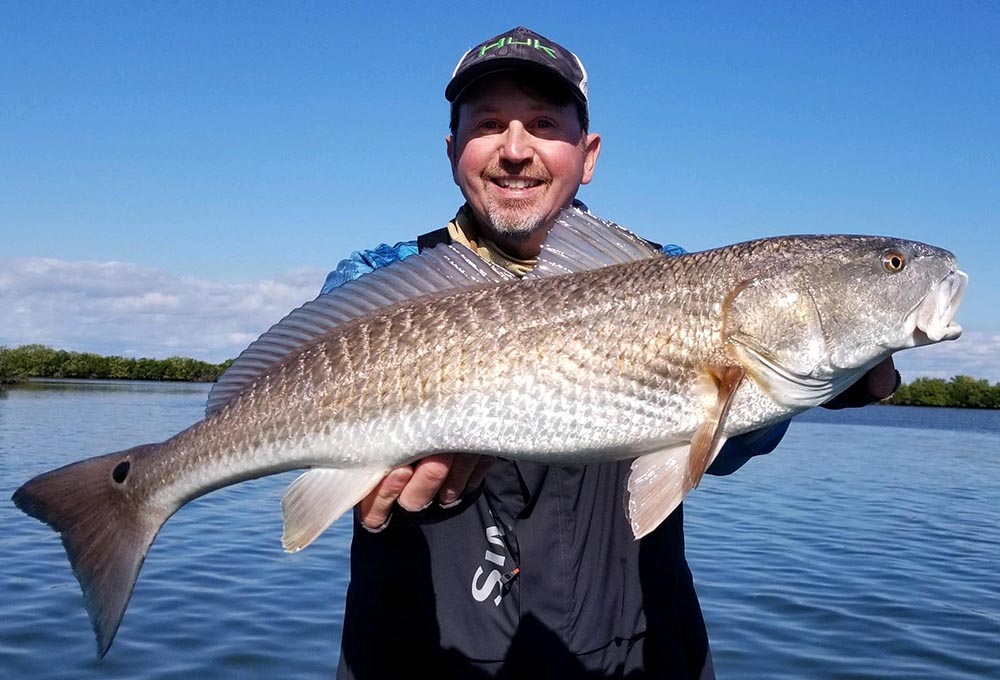
The rules of trout fishing are not absolute, and whimsical behavior can sometimes challenge expectations. However, as one expert put it, "When temperatures are low, trout will often post up near large currents, in a slower stream, to intercept drifting fish or invertebrates." Such insights provide critical guidance for anglers seeking to enhance their chances of a successful catch.
Career Journey
Mastering the nuances of lure fishing for trout requires an understanding of seasonal dynamics, fish behavior, and the right choice of lures. This ongoing journey of learning and adaptation is what makes fishing not only a sport but a way to connect with nature. As anglers prepare for the upcoming season, ensuring their techniques reflect both the environment and the behavior of trout will undoubtedly increase their success rate.
Overall, the world of trout fishing with lures remains dynamic and fascinating, inviting anglers of all skill levels to engage with the natural rhythms of their favorite waters. Armed with this knowledge, one can approach each fishing trip with renewed hope and strategy.