The world of perch fishing is experiencing a shift as more anglers abandon traditional float fishing methods in favor of the dynamic art of lure fishing. This evolution in technique is attracting both seasoned fishermen and newcomers who seek a more engaging and strategic approach to landing these popular freshwater fish.
"I love lure fishing for perch because it's fun, and it goes against traditional methods such as float fishing and ledgering," explained fishing enthusiast Craig James, highlighting the growing appeal of this more active fishing style.
"I love lure fishing for perch because it's fun, and it goes against traditional methods such as float fishing and ledgering,"

The transition from passive to active fishing techniques represents more than just a change in equipment—it's a fundamental shift in how anglers engage with their quarry. Unlike traditional methods where fishermen wait for fish to come to stationary bait, lure fishing demands constant movement, strategy, and real-time decision-making that many find irresistible.

**Equipment Selection Drives Success**
The foundation of successful perch lure fishing begins with proper equipment selection, starting with the fishing rod. Given perch are relatively smaller fish compared to species like pike or bass, the rod choice requires careful consideration of both power and finesse.
"What strength rod you should buy again depends on what size lure you will fish with," noted James, emphasizing the interconnected nature of tackle selection. Experts consistently recommend medium-light (ML) rods as the sweet spot for perch fishing, providing the sensitivity needed to detect subtle bites while maintaining enough backbone to handle fighting fish.
"What strength rod you should buy again depends on what size lure you will fish with,"
Rod length plays an equally important role in the equation. The 6 to 7-foot range has emerged as the preferred standard, offering optimal control and maneuverability without sacrificing casting distance. This length allows anglers to work lures effectively in various water conditions while maintaining the rod tip control essential for proper lure presentation.
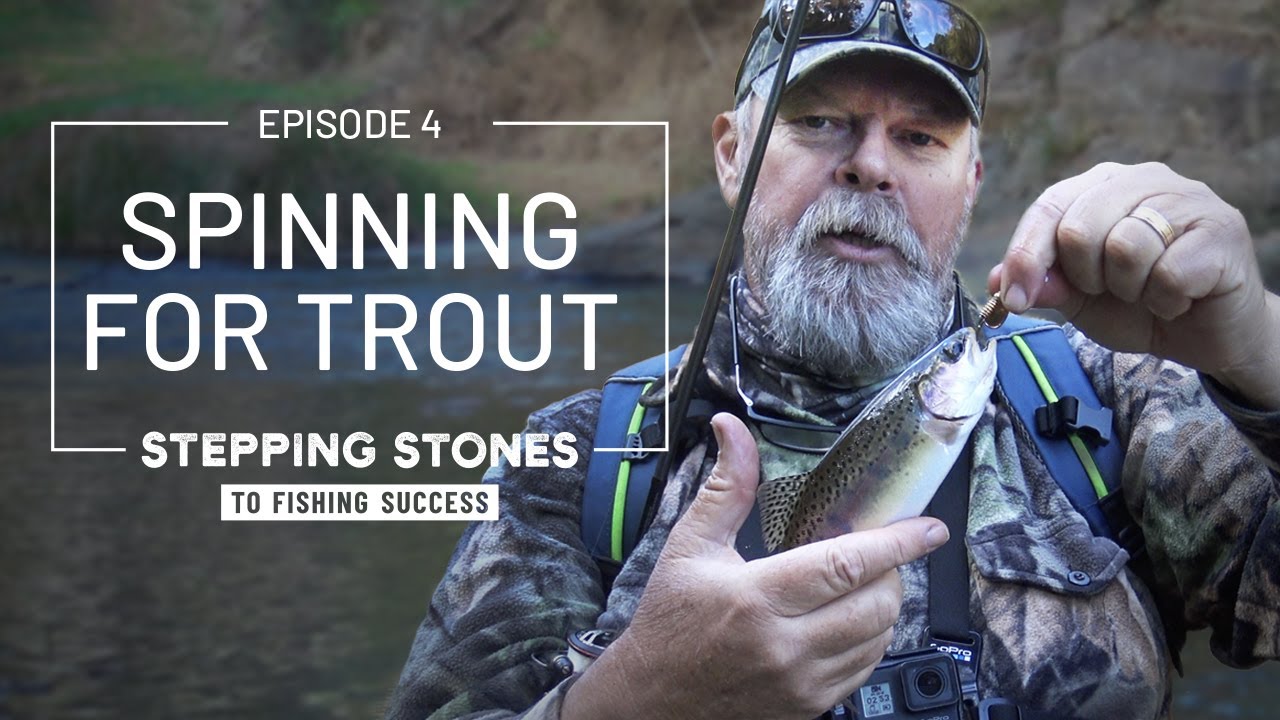
Among the most popular rod choices, the Abu Garcia Devil Spinning Rod has built a reputation for reliability, while the Shakespeare Ugly Stik GX2 series continues to be celebrated for exceptional durability. The Daiwa Ninja X Spin rounds out the top recommendations, praised for its versatility across different fishing scenarios and budgets.
**Reel Selection and Balance**
The fishing reel serves as the mechanical heart of the setup, and proper sizing proves crucial for maintaining balance and functionality. Expert recommendations consistently point toward reel sizes between 500 and 2500 as the optimal range for perch fishing applications.
"I would strongly suggest choosing a reel size of between 500 and 2500. Anything heavier than that would make your setup feel unbalanced!" emphasized one expert angler, pointing to the importance of maintaining proper weight distribution throughout the rod and reel combination.
This size range strikes an effective balance between adequate strength for fighting fish and maintaining the light weight necessary for extended fishing sessions. A line capacity of approximately 150 meters provides ample working line for most perch fishing situations, whether casting from shore or working structure from a boat.
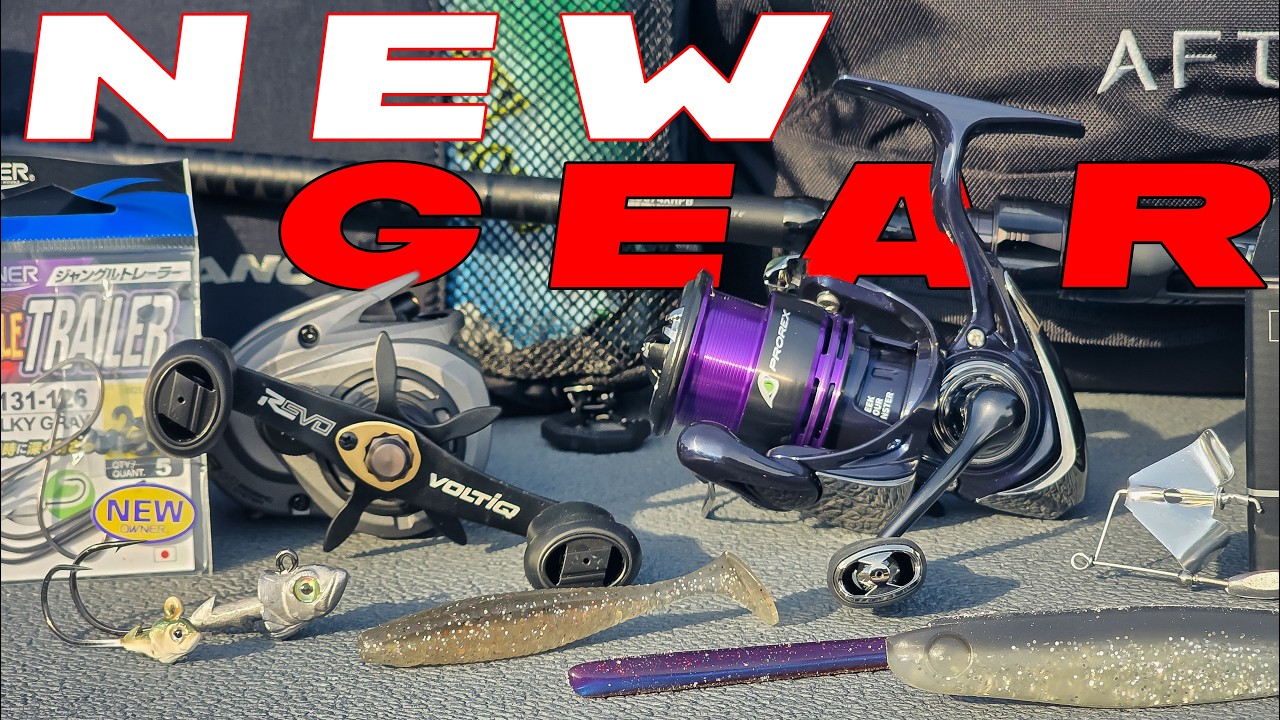
Top reel recommendations include the Daiwa 18 Ninja LT 2000, known for its smooth drag system and lightweight construction. The Abu Garcia Revo Ike Spinning Reel brings tournament-level performance to recreational fishing, while the Shimano Nexave 2500 HG FE offers high-gear ratio retrieval rates that prove particularly effective when fishing active lures.
**The Critical Line Choice**
While rods and reels capture most attention, experienced anglers understand that line selection can make or break fishing success. "What line you use is more important than any other tackle!" asserted James, reflecting a sentiment shared by many serious perch fishermen.
Each line type brings distinct advantages to different fishing situations. Monofilament remains popular for its versatility and forgiving stretch, making it ideal for beginners or situations requiring shock absorption. Braided line offers superior sensitivity and strength, allowing anglers to detect even the lightest perch bites while providing the power needed to extract fish from heavy cover.
Fluorocarbon has gained significant popularity for its near-invisibility underwater, providing a stealthy approach that can prove crucial when targeting pressured fish in clear water conditions. Its low stretch characteristics also enhance bite detection, though it requires more careful handling than monofilament.
**Active Techniques and Retrieval Methods**
The true art of lure fishing for perch lies in mastering various retrieval techniques that trigger strikes. Unlike passive fishing methods, lure fishing requires constant experimentation with retrieval speeds, pauses, and lure actions to determine what perch want on any given day.
"Perch really do relish the chance to chase a lure around a lake!" expressed James, capturing the predatory nature that makes lure fishing so effective for these fish.
Successful anglers vary their approach throughout the day, starting with steady retrieves and incorporating pauses, twitches, and speed changes based on fish response. This adaptability transforms fishing from a waiting game into an active pursuit that challenges both physical skills and mental strategy.
As fishing technology continues advancing, lure fishing for perch represents an exciting intersection of traditional angling knowledge and modern innovation, offering both newcomers and veterans an engaging path to fishing success.