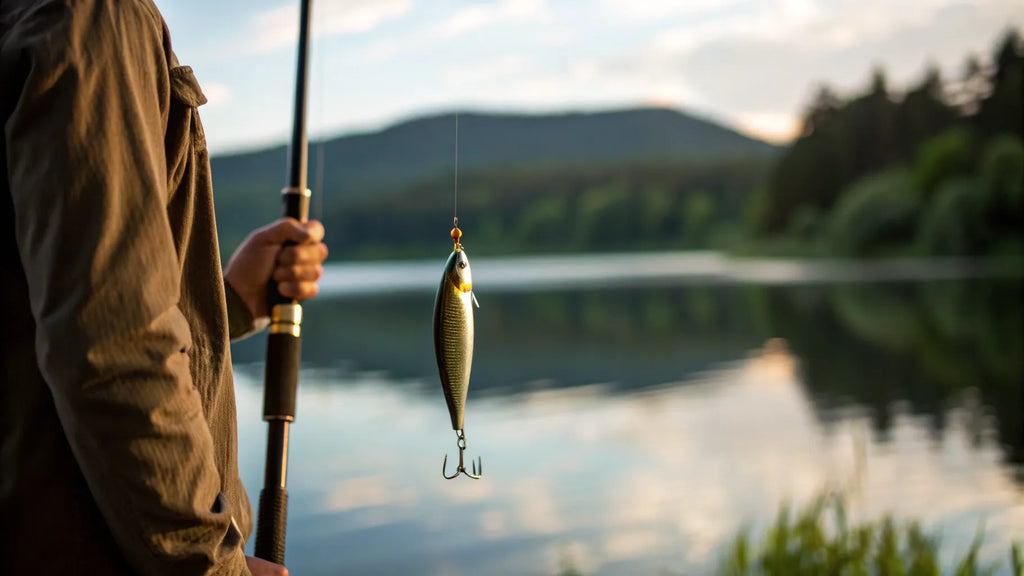
In the quiet hours before dawn, when mist still clings to the water's surface, anglers across the country are perfecting an age-old craft that has evolved into something approaching high art. Lure fishing, once a simple matter of casting handmade trinkets into the water, has transformed into a sophisticated blend of science, strategy, and skill that's capturing the attention of fishing enthusiasts from tranquil lakes to churning ocean waters.
"Lure fishing is not just a method; it's an art form that combines strategy, skill, and a deep understanding of aquatic life," said fishing expert Alex Thompson, capturing the essence of what draws so many to this particular approach to angling.
"Lure fishing is not just a method; it's an art form that combines strategy, skill, and a deep understanding of aquatic life,"

The evolution of lure fishing tells a remarkable story of human ingenuity meeting aquatic biology. What began as crude approximations of fish prey has developed into meticulously engineered marvels that mimic not just the appearance of baitfish, insects, and other aquatic creatures, but their movement patterns, sounds, and even the way light reflects off their scales. Modern lure designers employ everything from advanced materials science to underwater photography to create artificial baits that can fool even the wariest fish.

This technological advancement hasn't gone unnoticed by the angling community, where lure fishing has gained significant ground over traditional live bait methods. The reasons extend far beyond mere novelty, offering practical advantages that have converted even longtime traditionalists.
"[Lures](/gear/fishing-lure) eliminate the need for handling live bait, which can be messy and complicated," explained Linda Martinez, a longtime angler who has witnessed the sport's transformation firsthand. This convenience factor allows anglers to focus their energy on perfecting their casting technique and reading water conditions, rather than managing the logistics of keeping live bait fresh and active.
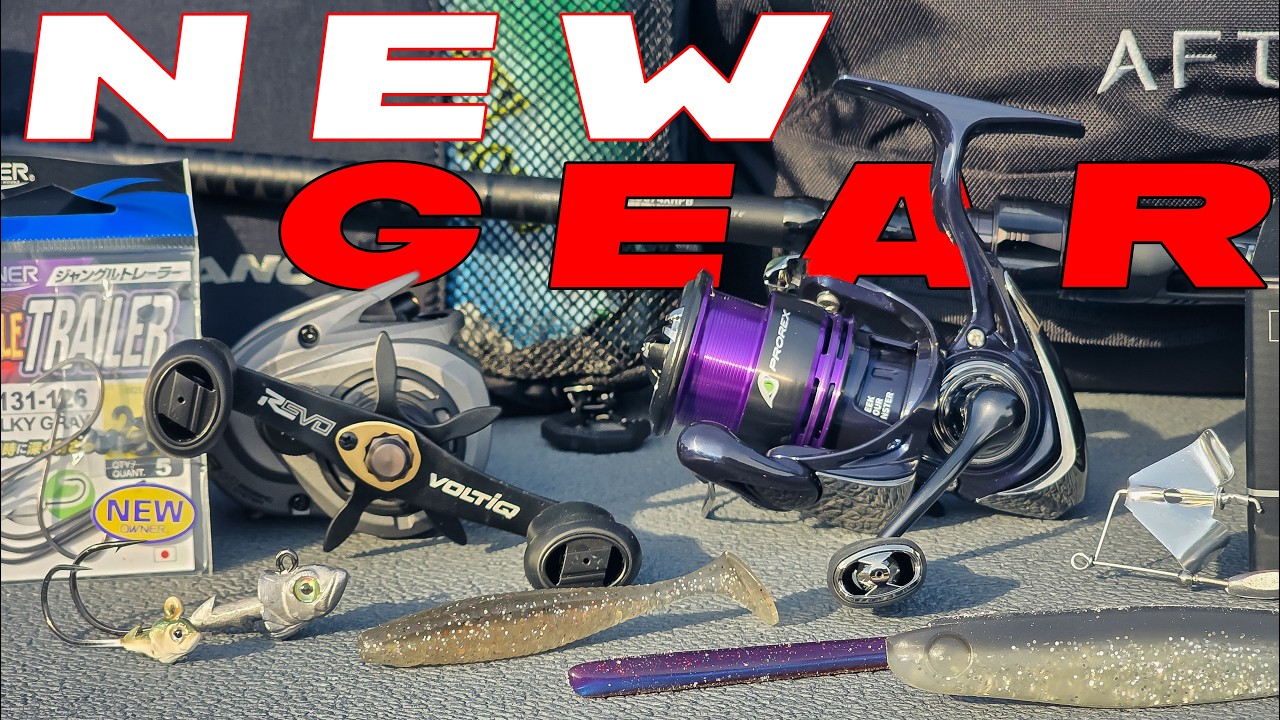
"Lures eliminate the need for handling live bait, which can be messy and complicated,"
The versatility factor proves equally compelling. Unlike live bait, which requires refrigeration and careful handling, lures can be stored indefinitely and deployed in a variety of conditions. They allow anglers to cover more water efficiently while targeting specific aggressive fish species. "They are effective for catching a wide range of fish species," Martinez added, highlighting their adaptability across different fishing environments.
"They are effective for catching a wide range of fish species,"
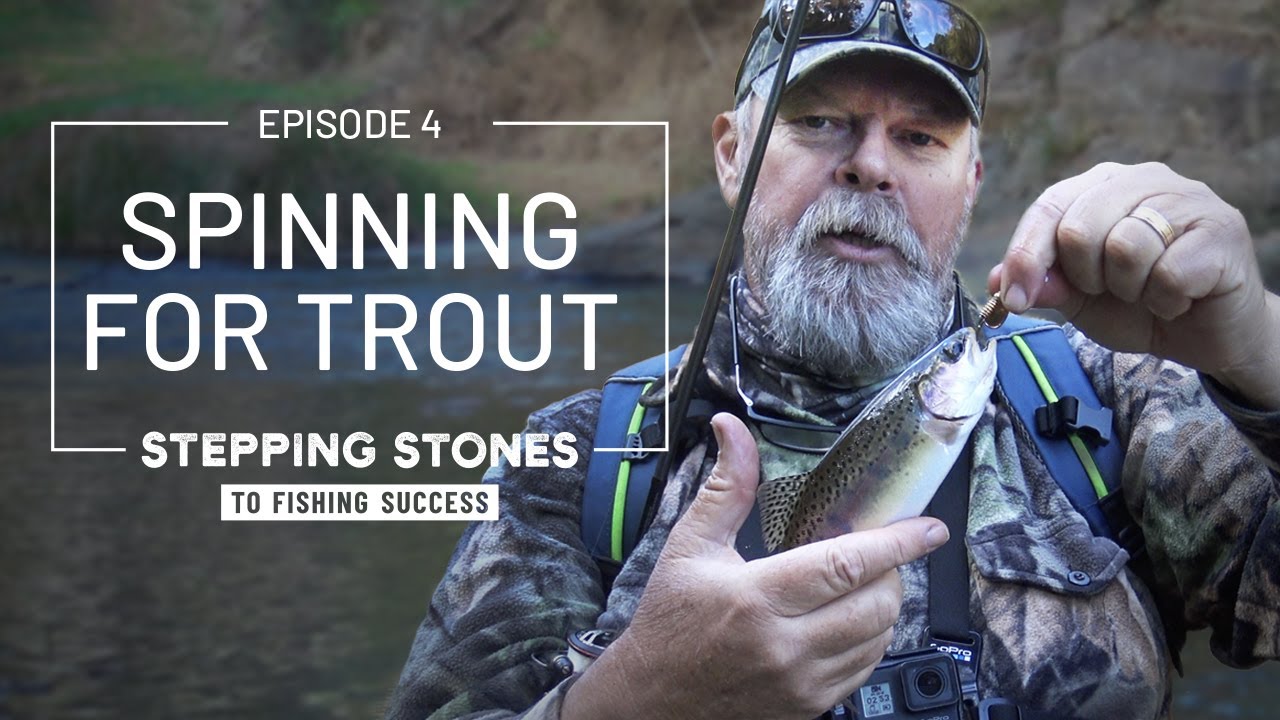
Understanding the arsenal of available lures has become essential knowledge for serious anglers. Each type serves specific purposes and excels in particular conditions. Flies, the foundation of fly fishing, are engineered to either float delicately on the surface or sink naturally, mimicking insects and small aquatic creatures with remarkable precision.
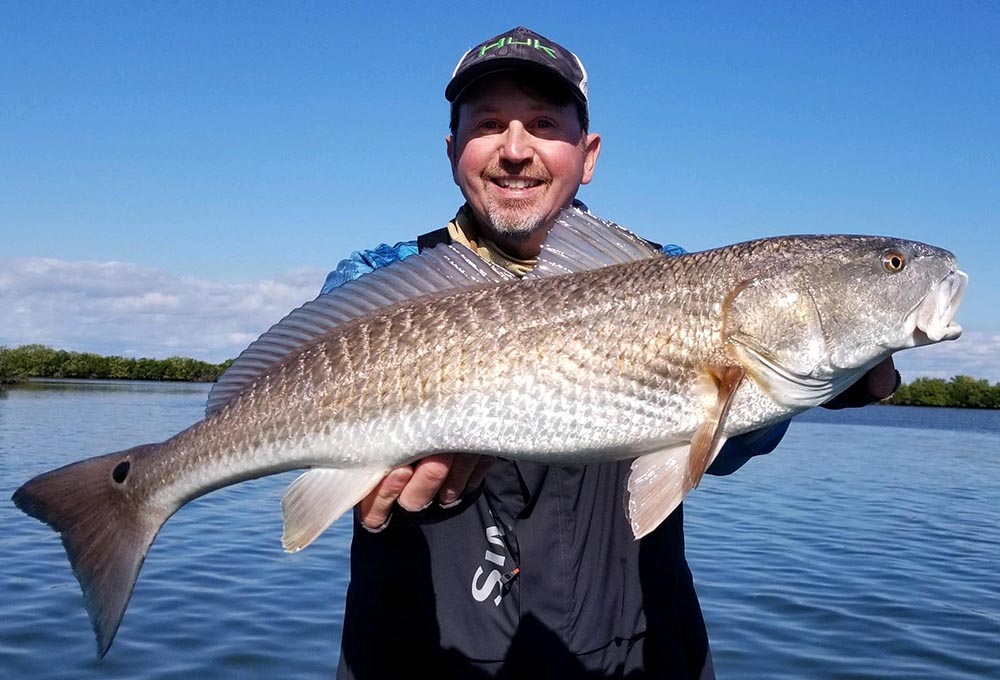
Spinnerbaits create an entirely different appeal, using spinning blades to generate vibrations and flashes that cut through murky water conditions where visibility is limited. These lures prove particularly effective when fish rely more on their lateral line system than vision to locate prey.
Soft plastics have revolutionized lure fishing with their flexibility and realistic appearance. These versatile tools can imitate everything from earthworms to frogs, adapting to various fishing scenarios with convincing realism that often fools both fish and observers.
Spoons, with their distinctive concave design, create a wobbling action that imitates injured baitfish – a signal that predatory species like trout and bass find irresistible. Meanwhile, jigs combine weighted heads with hooks adorned with feathers or plastic attachments, proving effective in both freshwater and saltwater environments.
Plugs represent perhaps the most sophisticated category, featuring hard-bodied construction that closely mimics baitfish. Available in floating, sinking, and diving variations, these lures particularly appeal to predatory fish species that hunt by sight.
Race Results
Selecting the appropriate lure requires understanding target species behavior, as seasoned angler Brian Jones explained: "For salmon, bright colors and erratic movements often yield better results, while bass may respond better to subtle presentations."
Technique execution often determines the difference between success and disappointment on the water. The retrieve – how an angler manipulates the lure through the water – can make or break a fishing expedition. "Adjusting your retrieve speed can make all the difference. Sometimes a slow roll works; other times, quick jerks mimic an injured fish perfectly," remarked fishing instructor Carol Rivers.
Impact and Legacy
Environmental factors add another layer of complexity to lure fishing success. Water temperature affects fish metabolism and feeding behavior, while visibility conditions determine whether fish rely primarily on sight or other senses to locate prey. Time of day influences feeding patterns, with many species showing distinct preferences for dawn and dusk activity periods.
The adaptability required for consistent lure fishing success appeals to anglers who enjoy the mental challenge alongside the physical aspects of the sport. Reading water conditions, selecting appropriate lures, and adjusting techniques based on fish behavior creates an engaging puzzle that keeps enthusiasts returning to the water.
Looking Ahead
As lure fishing continues attracting anglers across all skill levels, it represents a fascinating intersection where traditional fishing wisdom meets modern innovation, ensuring the sport's continued evolution and appeal for future generations of fishing enthusiasts.