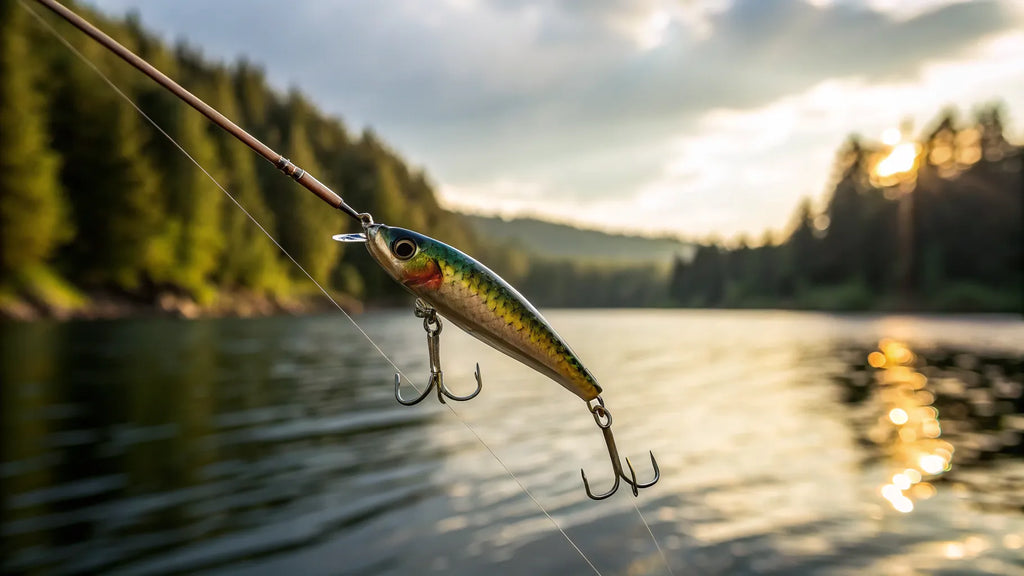
For many outdoor enthusiasts, the moment of standing by serene lake waters with the sun's warm glow creates an unmistakable sense of anticipation. Yet success on the water often hinges on mastering one fundamental skill: properly setting up a lure on your fishing line.
"Fishing is not just a pastime; it's a way of life for many outdoor enthusiasts," explains a representative from an established fishing resource. This sentiment rings true for countless anglers who understand that the difference between a successful day and going home empty-handed often comes down to technique and preparation.
"Fishing is not just a pastime; it's a way of life for many outdoor enthusiasts,"

Whether you're an experienced angler or just starting your fishing journey, knowing how to set up a lure properly is vital for increasing your chances of catching that elusive trophy fish. The process involves more than simply tying a knot – it requires understanding lure types, matching equipment to target species, and having the right gear for the job.

Understanding the various types of fishing lures is fundamental before casting your line. These artificial baits are designed to mimic the appearance and movement of prey, and they come in an impressive array of designs, materials, and sizes, each serving specific purposes on the water.
Spinnerbaits top the list for many anglers, featuring rotating blades that produce vibrations and flashes particularly effective in murky waters. Their design makes them excellent for attracting fish through both visual and sensory stimulation.
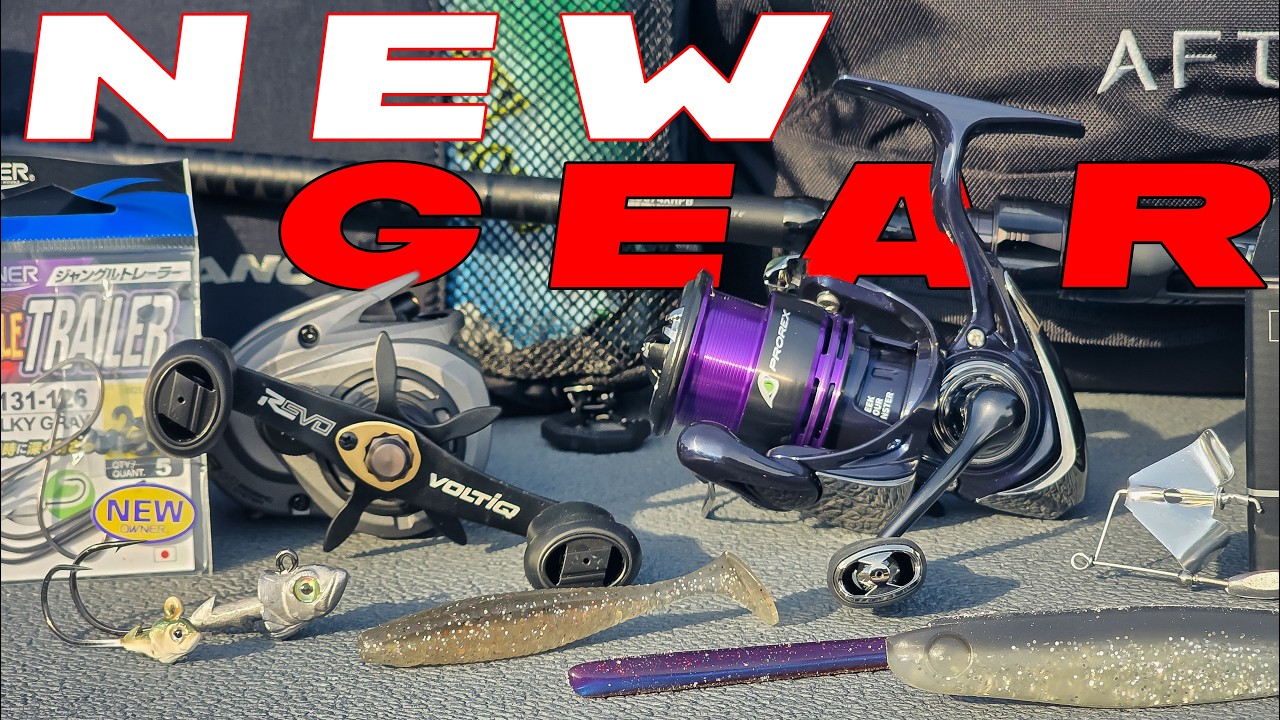
Jigs, with their weighted construction, often come equipped with skirts or soft plastics, making them particularly effective for various species in deeper waters. Their versatility allows anglers to work different water columns with precision.
Soft plastic lures have revolutionized modern fishing by replicating the texture and movement of live bait while allowing for numerous rigging options. These lures provide the realistic feel that can fool even the most cautious fish.
Diving plug lures, also known as crankbaits, dive underwater as they're retrieved, adapting well to various depths. Their ability to reach specific zones makes them invaluable for targeting fish at different levels.
Topwater lures create an entirely different fishing experience, floating on the water surface and creating disturbances that can entice species like bass, which tend to feed at the surface during certain times of day.
"Understanding the type of lure you need based on your target fish and the fishing conditions is foundational to successful fishing," advised an experienced angler, highlighting the importance of matching your approach to the situation.
"Understanding the type of lure you need based on your target fish and the fishing conditions is foundational to successful fishing,"
Impact and Legacy
Size considerations play a crucial role in lure selection. Smaller lures generally work better for smaller fish, while larger lures attract bigger species. Understanding these size relationships can dramatically improve success rates:
For trophy species like muskies and northern pikes, anglers typically use lures ranging from 4 to 12 inches. These predators are accustomed to feeding on substantial prey, making larger presentations more effective.
Walleyes respond well to lures in the 3 to 6-inch range, reflecting their feeding habits and prey preferences in most water bodies.
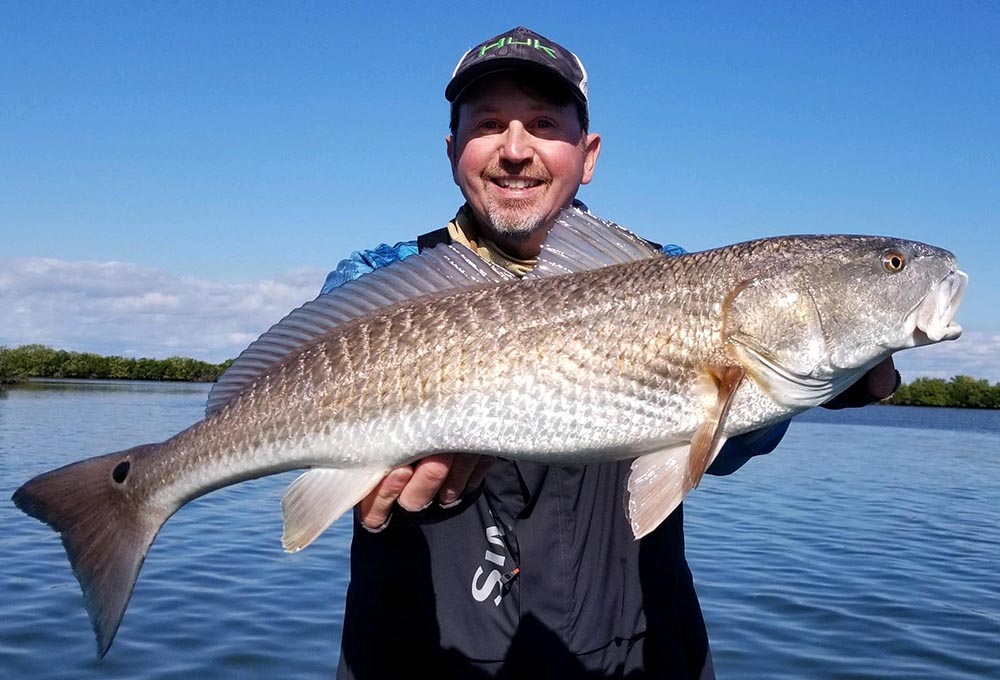
Largemouth bass, one of the most popular game fish, typically respond to lures between 2 and 6 inches, though this can vary based on season and local forage.
Having the right gear is essential for effectively setting up lures on fishing line. Pliers serve as handy tools for adjusting tackle and safely removing hooks from fish, while scissors or line cutters become necessary for cutting fishing line as needed.
Swivels and snaps allow for quick changes between lures without the need to constantly re-tie your line, saving valuable fishing time and reducing line waste. These small components can significantly improve efficiency on the water.
Fishing line selection requires careful consideration of strength and visibility appropriate for target species. Whether choosing monofilament, braided, or fluorocarbon line, each type offers distinct advantages for different fishing situations.
The foundation of any fishing setup remains the rod and reel combination. Pairing your rod with a matching reel creates the platform for successful lure presentation, with spinning reels being particularly user-friendly for novice anglers.
Race Results
Mastering lure setup requires practice and patience, but the investment pays dividends in fishing success. As anglers develop these fundamental skills, they open doors to more consistent results and greater enjoyment on the water, regardless of their experience level.