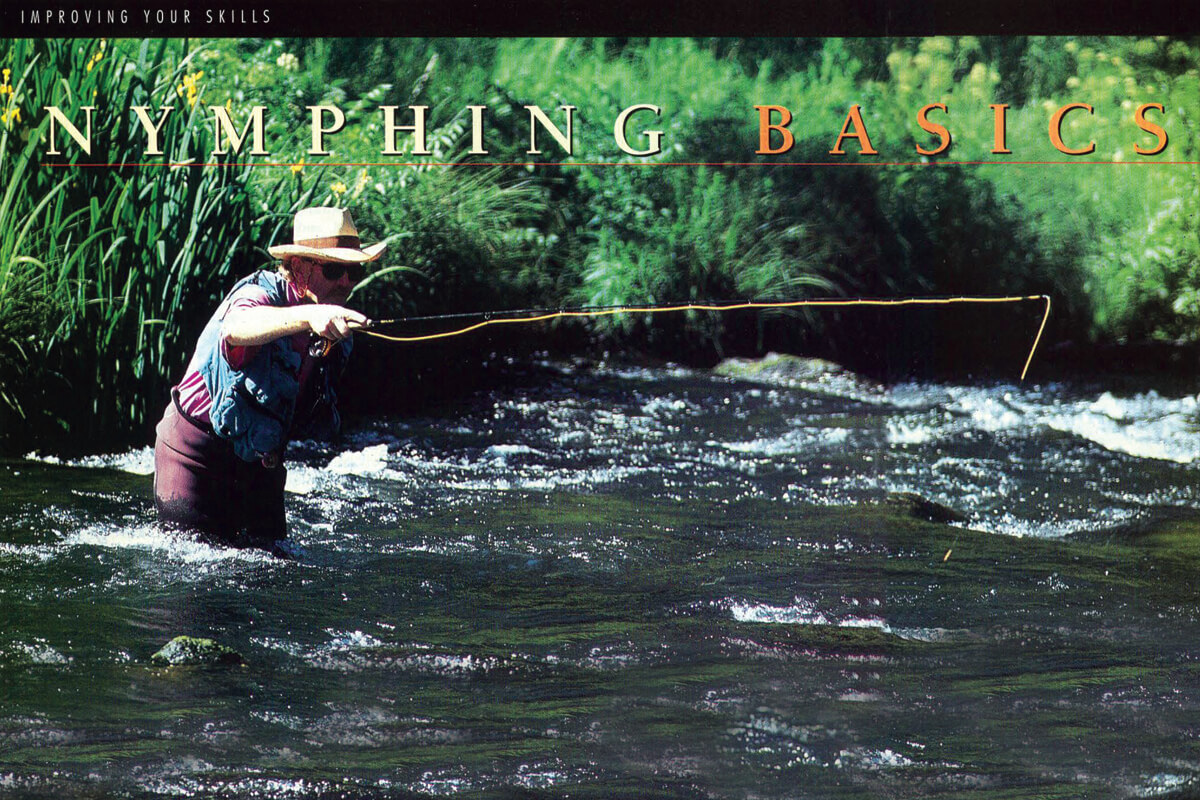
Nymphing is one of the most effective methods when it comes to fly fishing, particularly for catching trout in flowing waters. This technique revolves around presenting a fly that mimics the natural food source at the depth where fish are likely to feed. Those who master nymphing often see a rapid improvement in their fishing success.
"Nothing increases your fly-fishing success faster than mastering the basics of nymphing," explained Dick Galland, a seasoned fly fisherman.
"Nothing increases your fly-fishing success faster than mastering the basics of nymphing,"

The art of nymphing involves allowing the fly to drift naturally, aiming to reach the trout’s feeding depth. In moving water, fish seek energy-efficient meals, which means they do not venture far to find food. The most effective nymph presentation requires only that the trout simply opens its mouth.

Successful nymphing starts with understanding the water. Identifying the prime holding spots is crucial. Galland suggests, "Consider the current as an underwater cafeteria line; only instead of the fish moving to the food, the food comes to the fish." By visually mapping out where the current is strongest, one can locate the areas where food gathers—usually near the middle of the stream, where the current is most pronounced.
To find these productive zones, anglers can imagine a line down the center of the main current. This imaginary line, Galland notes, oftentimes carries the highest concentration of food and, therefore, it’s where the fish congregate.
Techniques for effective nymphing require precision and skill. For instance, regarding short-line nymphing, Galland emphasizes the importance of keeping the fly line to a maximum of two feet. This allows for a more direct presentation of the fly to the fish. “Hold the rod horizontal and rotate from the waist to lead your fly and weight through the area you're fishing,” he advised.
Additionally, recognizing the signs of a strike is vital. One should look out for any pauses or twitches in the line that indicate a fish bite. "When you see the leader or line pause, twitch, or stop drifting, set the hook," Galland said, underscoring the need for attentiveness during the nymphing process.
"When you see the leader or line pause, twitch, or stop drifting, set the hook,"
Equally important is managing the weight on the leader. Anglers need to ensure that their nymph is consistently near the bottom—where most trout feed. Adjustments may be necessary depending on the current's speed and depth of the water.
Nymph fishing is often best practiced in streams during midday when fish are more active. By adopting these practices, novice and experienced anglers alike can vastly improve their chances of landing trout. Fishing is as much about strategy as it is about technique, and nymph fishing encapsulates both.