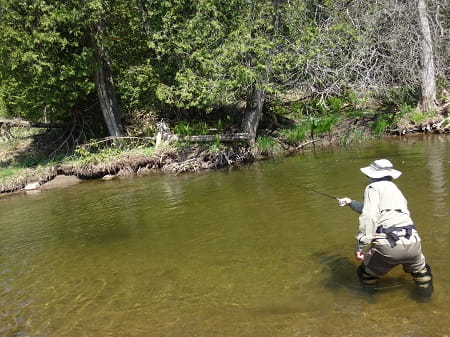
Nymphing is an irresistible lure for trout anglers, and understanding its nuances can be the key to success. One seasoned guide reflected on his early days, stating, "I still remember the first trout I ever caught fly fishing. I was nymphing for trout all day... I finally got a 9-inch brown trout to eat my Gold Ribbed Hares Ear Nymph." This experience marked the beginning of a profound journey into the world of fly fishing, where he now guides others with increased expertise, landing an impressive 30 to 40 trout every day.
The art of nymphing consists of imitating subsurface aquatic insects, commonly known as nymphs. "Since trout feed below the surface over 90% of the time, nymphing is often the most effective method," emphasized the guide, who has honed his skills over more than three decades. This method not only enhances the chance of catching trout but also opens opportunities throughout the year, making it a favored technique among anglers.
"Since trout feed below the surface over 90% of the time, nymphing is often the most effective method,"

Connecting with new anglers, the guide underscores eight essential elements crucial for effective nymphing: "If you do a few things well, but one or two things are not good, those one or two wrong things will prevent you from catching fish." The list includes understanding the importance of proper presentation, avoiding spooking fish when approaching a spot, and reading the water effectively to identify where trout are likely to hide.

"Knowing how to approach a spot so you don’t spook the trout is critical to catching the most trout possible," he stated, emphasizing the need for stealth. Additionally, understanding the conditions of the river and knowing the effective nymphing methods are paramount. This guide elaborates, saying, "There are three good methods of nymphing. Knowing how to do all of them helps a lot."
"Knowing how to approach a spot so you don’t spook the trout is critical to catching the most trout possible,"
But why should one prioritize nymphing? The answer lies in the feeding habits of trout. "Trout spend more than 90% of the time eating below the surface," pointed out a fellow guide. Being able to present a fly at the right depth means a greater chance of success, especially when other food sources like baitfish or nymphs are less available.
"Trout spend more than 90% of the time eating below the surface,"
Regarding timing and location, enthusiasm remains constant. "Anytime is good for nymph fly fishing," said one expert, recalling a successful outing with a fellow angler from Germany. This perspective mirrors the adaptability required while fishing. Anglers are urged to be observant of their surroundings—if surface feeding is evident, trying a dry fly could be advantageous. The same flexibility applies if fish are chasing minnows, suggesting that streamers may be the best choice.
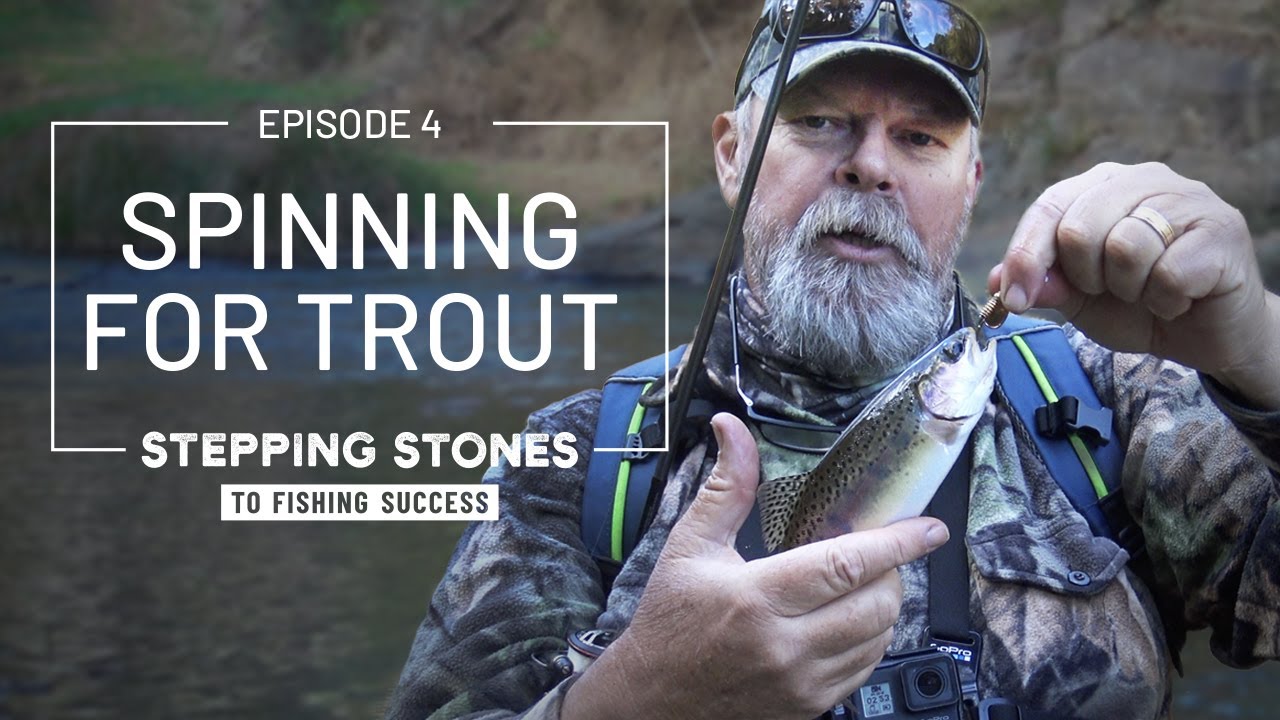
"Anytime is good for nymph fly fishing,"
Race Results
Nymphing shines in various river conditions. According to the guides, medium to fast current speeds are particularly effective, often providing lucrative results in pocket water, shallow riffles, and pools. They assert, "Knowing where the trout should be holding and feeding is important."

Impact and Legacy
Understanding the attributes of nymphs is equally crucial. One seasoned guide displayed a mayfly nymph, explaining, "Even though this fly has a bead and doesn’t look exactly like the real fly, it still works great." Familiarity with the types of nymphs and using the right flies can significantly influence success rates.
When embarking on nymph fishing, it’s equally important to ensure that your gear is up to par. Optimal waders and long rods can aid in positioning and provide better line control, added one expert, who highlighted the importance of gear efficiency: "Waders help you get in positions, while long rods help with mending and better presentation."
Championship Implications
Moreover, the methods of nymphing, be it indicator nymphing or tight lining, require a proper setup. The guide points out, "Whether you are an indicator nymphing or you tight-line nymph, a proper leader setup is critical."
In conclusion, the combination of techniques, awareness of river dynamics, and proper gear alignment sets the stage for successful trout fishing through nymphing. An adept angler encapsulates it well: "If you can make your nymph drift as naturally as possible, it is much more likely to get eaten by feeding trout." Understanding this intricacy and honing skills in nymphing can not only enhance one’s fishing experience but can lead to the thrill of reeling in trout after a well-executed cast.