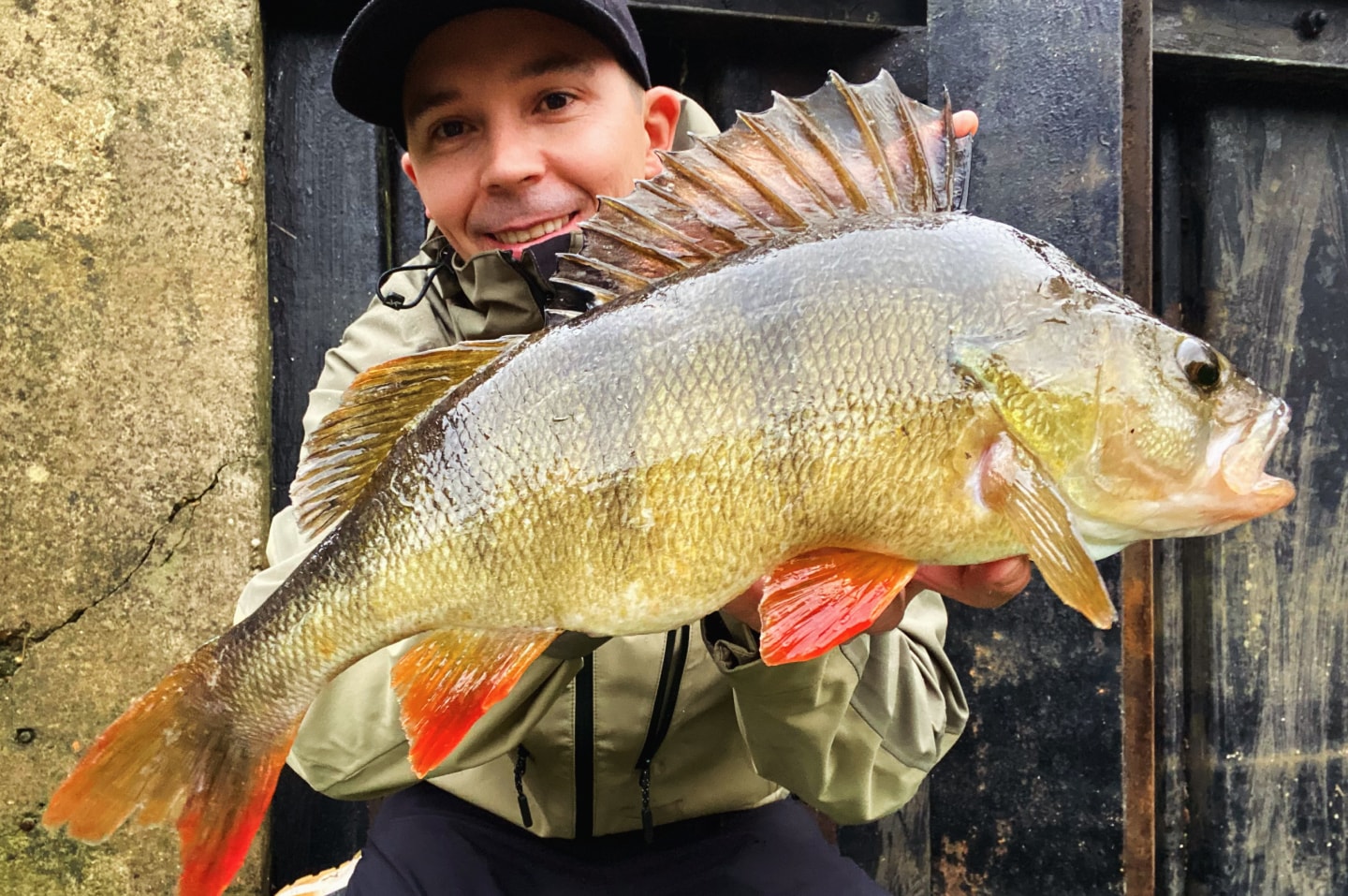
For many anglers, perch fishing represents one of the most rewarding yet challenging pursuits in freshwater fishing. The quest for larger specimens requires more than just casting a line and hoping for the best – it demands a sophisticated understanding of fish behavior, habitat preferences, and tactical adaptability.
"I've been lure fishing for perch for well over a decade now and during this time have failed, adapted, and learned many times," shared one experienced angler whose journey illustrates the patience and persistence required to master this craft. This evolution from novice to expert highlights the complex nature of successfully targeting perch, particularly the larger varieties that many anglers seek.
"I've been lure fishing for perch for well over a decade now and during this time have failed, adapted, and learned many times,"

The foundation of successful perch fishing lies in understanding where these fish choose to live and feed. Perch are opportunistic predators with specific habitat preferences that change dramatically with the seasons. The key insight, according to experienced anglers, is that "looking for and finding bite-sized fish can often lead to success," emphasizing that larger perch position themselves near abundant populations of smaller fish.
"looking for and finding bite-sized fish can often lead to success,"

Current Season
Seasonal patterns play a crucial role in perch behavior and location. "In warm seasons, perch can be found all over the place, while they typically shift to deeper or more covered spots during colder months," the experienced angler explained. This seasonal migration means successful anglers must adapt their strategies throughout the year, focusing on current edges near weirs, slack water areas, and submerged structures like rocks and fallen trees during colder periods when larger specimens seek shelter and deeper water.
"In warm seasons, perch can be found all over the place, while they typically shift to deeper or more covered spots during colder months,"
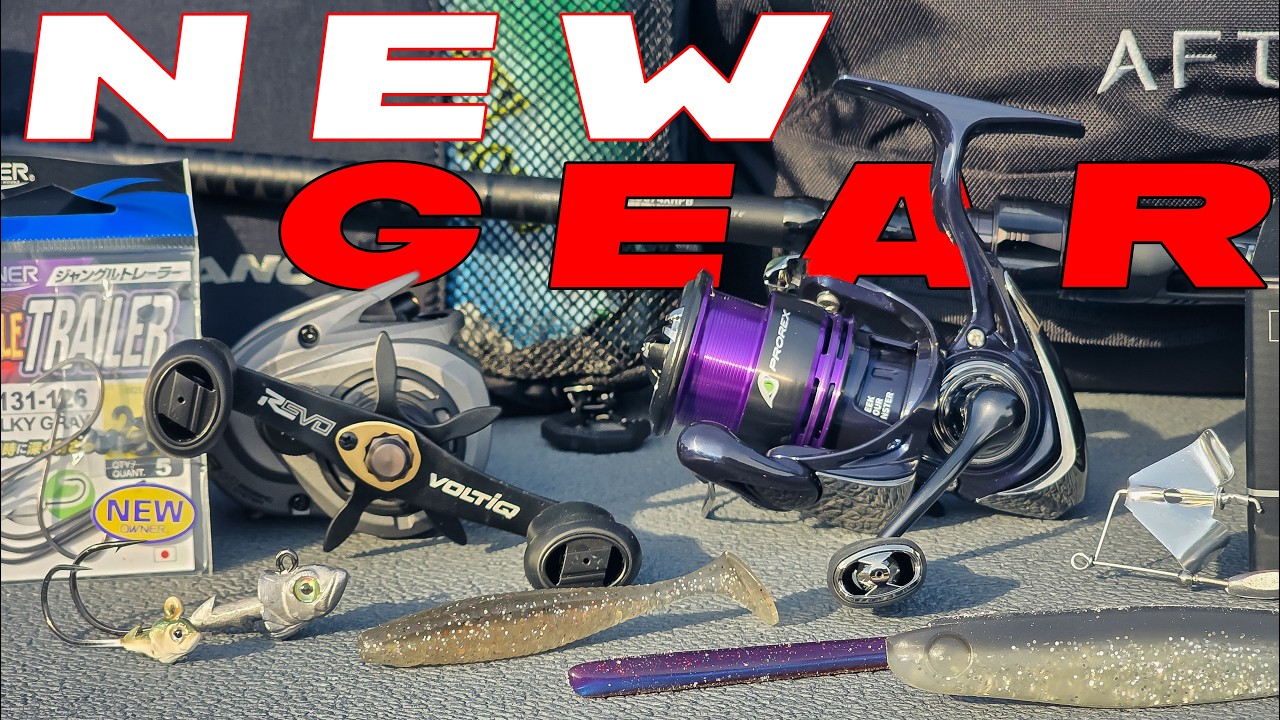
Lure selection represents perhaps the most critical aspect of modern perch fishing, with the ability to adapt quickly often determining success or failure. "Things can change quickly, so it's useful to have the equipment and lures to make the changes when required," the angler advised, recounting how strategic lure changes have often revitalized fishing sessions after periods of inactivity.
"Things can change quickly, so it's useful to have the equipment and lures to make the changes when required,"
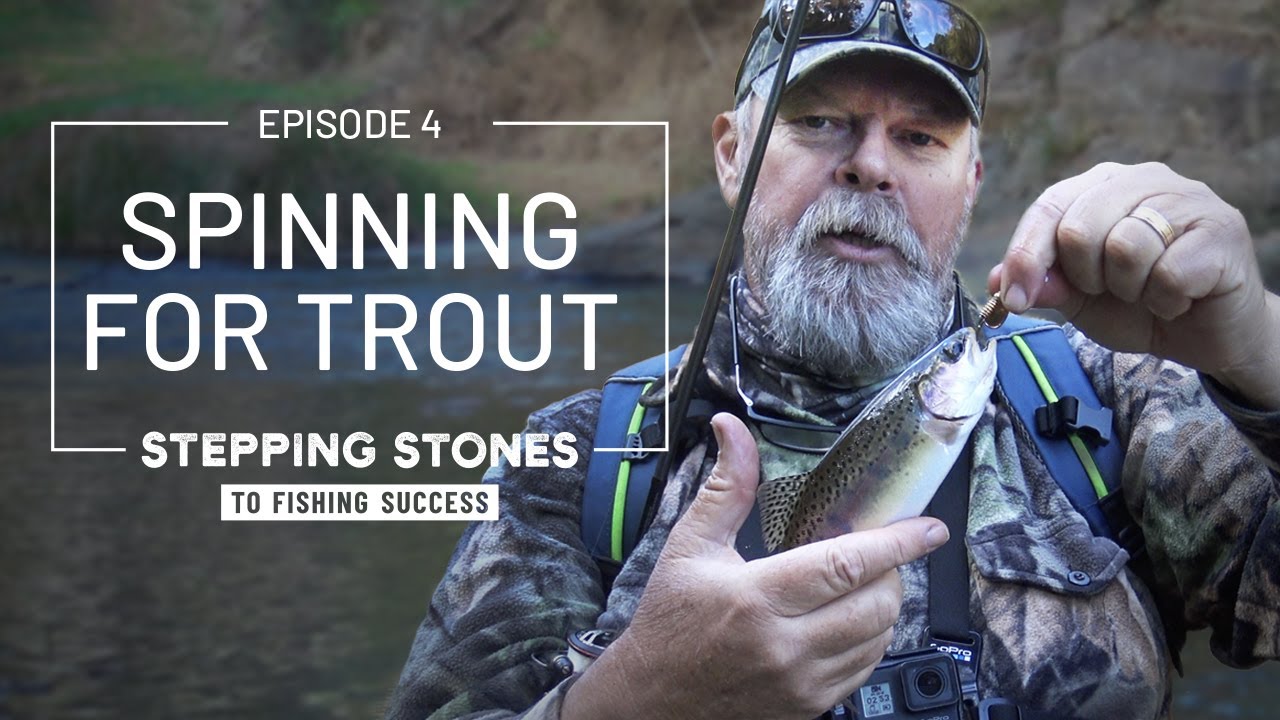
Successful perch anglers typically carry four primary categories of lures, each serving specific purposes and conditions. Sticks and worms allow for slower presentations, maximizing the time lures spend in productive strike zones. Shallow-diving crankbaits effectively mimic minnows, a primary food source for perch, while spinners and spinnerbaits create vibration and flash that can attract fish from considerable distances. Soft plastic jigs, particularly grub tails and paddle tails in the 2.5 to 3-inch range, offer versatility across various water conditions.
"Once you've found the perch, you can adapt your lures choice and target them more effectively," the angler observed, highlighting the importance of tactical flexibility once fish are located.
"Once you've found the perch, you can adapt your lures choice and target them more effectively,"
Technique execution often separates successful perch anglers from those who struggle to consistently catch fish. Vertical jigging has emerged as a preferred method for deep water situations, offering precise control that proves particularly effective for larger specimens. "Vertical jigging gives precise control, making it a great choice for big perch fishing," the experienced angler explained.
"Vertical jigging gives precise control, making it a great choice for big perch fishing,"
The lift-and-drop technique has proven exceptionally effective across various conditions. "Cast out, let the jig sink, then raise it in quick, sharp motions," the angler instructed, explaining that this method successfully simulates injured baitfish – an irresistible target for predatory perch.
"Cast out, let the jig sink, then raise it in quick, sharp motions,"
Equally important is understanding the power of pauses in lure presentation. "Perch often strike during pauses. A few rig choices that can offer the opportunity to fish very slowly are the Dropshot, Ned rig, and Carolina rig. A dropshot is a personal favourite of mine," the angler noted. These techniques allow lures to remain in productive zones longer, increasing strike opportunities.
Additionally, bouncing crankbaits off rocks or submerged structures can effectively mimic fleeing prey, triggering aggressive strikes from territorial perch.
Impact and Legacy
Timing fishing trips strategically can significantly impact success rates. "The post-spawn period in spring is one of the best times for perch fishing as they're more aggressive," the experienced angler shared. During this period, perch actively feed to recover from spawning stress, making them more likely to strike lures aggressively.
"The post-spawn period in spring is one of the best times for perch fishing as they're more aggressive,"
Colder months require different approaches, with focus shifting to deeper waters and heavier or slower-presented lures that match the fish's reduced metabolism and activity levels. Dawn and dusk periods consistently produce peak activity, particularly during warmer seasons when perch move into shallower areas to feed.
Career Journey
Proper equipment selection forms the foundation of effective perch fishing. Lightweight rods provide the sensitivity needed to detect subtle strikes, while thin braided main lines offer superior sensitivity and hook-setting power. Fluorocarbon leaders remain nearly invisible underwater while providing necessary abrasion resistance around structure.
"Think of lures as tools in your fishing kit," the angler advised, emphasizing that versatility and preparedness to switch tactics remain crucial for consistently catching perch. This adaptability, combined with understanding of habitat, timing, and technique, creates the comprehensive approach necessary for successful perch fishing.
"Think of lures as tools in your fishing kit,"
The pursuit of larger perch ultimately rewards those who approach it with patience, preparation, and willingness to continuously learn and adapt their strategies.