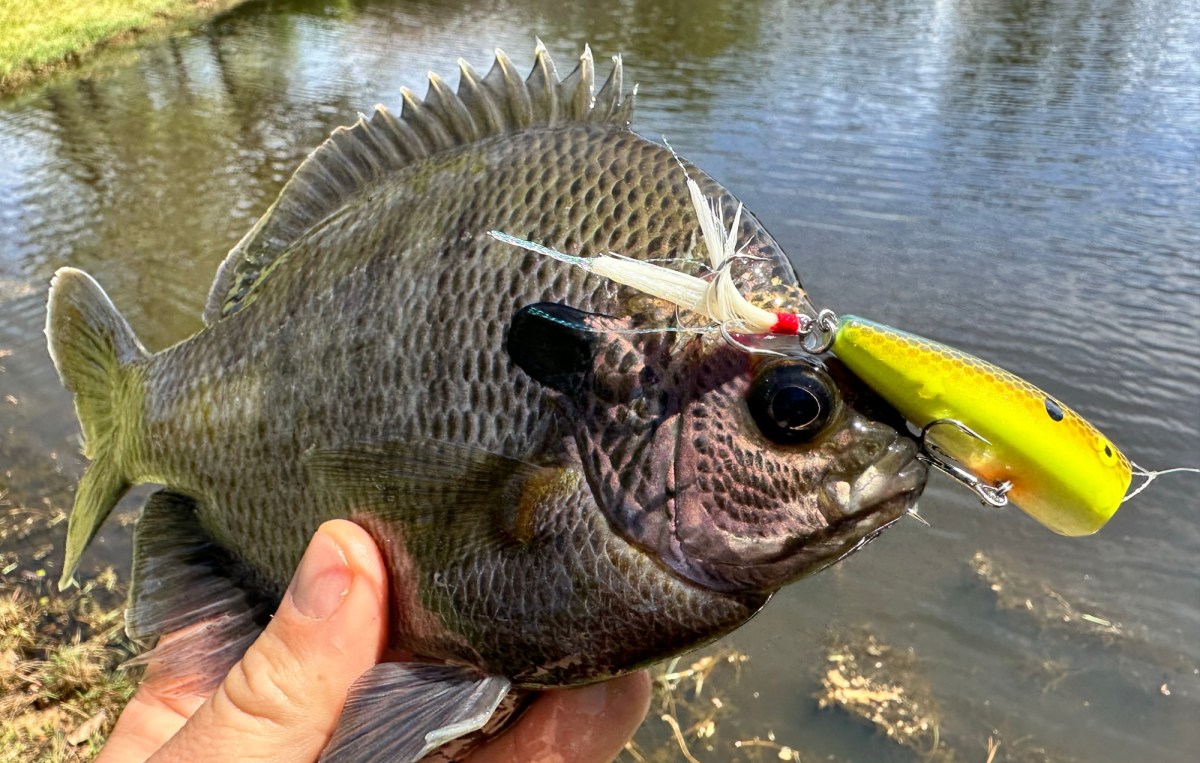
Experiencing a powerful topwater strike is undoubtedly one of the most exhilarating moments in fishing. Though there are numerous surface lures available to spark these thrilling encounters, poppers stand out for their popularity and ease of use. Designed with a concave mouth that creates splashes and surface commotion, poppers are irresistible to a variety of predatory fish.
However, a common pitfall among anglers is relying too heavily on a repetitive pop-and-pause technique. While this method can be effective, there are alternative strategies that can enhance your success. Here, we present four innovative tips on fishing with poppers to boost your results.
One approach anglers often overlook is the speed reel. Typically, poppers are regarded as finesse lures that thrive on controlled retrieves. Yet, saltwater fisherman have long utilized speedy retrieves, particularly when targeting tuna. Legendary bass angler Rick Clunn exemplified this in the early 1980s, winning substantial tournaments by swiftly reeling a Rebel Pop-R across the water.


"The mistake anglers make is thinking a popper needs time to call fish in from a distance, so we pop a bit and stop," explained Clunn. “In the wild, a panicked baitfish swimming for its life is a massive trigger for predators, even when they’re not particularly hungry."
"The mistake anglers make is thinking a popper needs time to call fish in from a distance, so we pop a bit and stop,"
Clunn’s insights reveal that casting a popper and retrieving it at a brisk pace, without pausing to pop, will still activate its scooped design, creating water movement that can draw in fish. While this technique might feel unconventional, the reward of a sudden bass strike will more than justify the approach. "When that happens, it will be violent and out of nowhere,” said Clunn, encapsulating the thrill of the chase.
Another effective technique is known as the “bug shake.” This method is particularly deadly yet frequently overlooked. To execute it, an angler must use a popper equipped with a dressed tail. Many factory-made poppers come with a malleable tail adorned with synthetic materials or feathers that entice fish. If you're working with a basic model, you can easily transform it with a few craft supplies, creating a bug-like appearance that perfectly suits the scenario.
“When a popper is sitting still, its treble hooks hang just inches below the surface,” noted fishing expert Derek Horner. “A dressed tail hook looks exactly like a drowned aquatic insect, which can be irresistible during a bug hatch.” This subtle, slow movement serves the dual purpose of enticing big bass, which may delicately nip at the dressed tail, as well as smaller species like trout and bluegills that can’t engulf the entire lure.

Fishing with poppers effectively during a cicada hatch is an opportune time to capitalize on this technique. In clear waters, an aggressive pop can scare fish away faster than it draws them in. “You want to nudge your popper gently, just enough to make that dressed hook quiver,” Horner advises, emphasizing the importance of delicacy in movement.
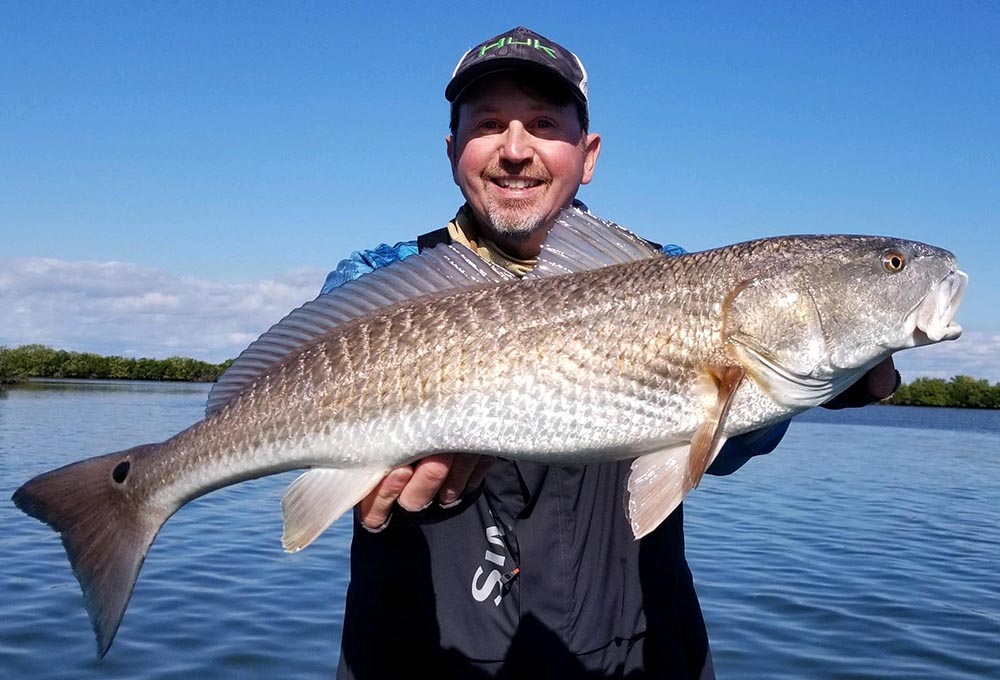
Lastly, understanding the ‘up-and-down’ technique can enhance popper fishing success. Much like the popping cork utilized in southern saltwater fishing for species such as sea trout or redfish, the principles remain consistent. A popping cork has a concave head, akin to that of a popper, and draws fish in through the noise it generates.
“The fish are drawn in by the noise created by the cork, but it’s the lure or bait trailing behind that does the real work,” said an experienced angler who advocated for such techniques. By replicating this strategy with a popper, you can increase your chances of hooking more gamefish.
In conclusion, while poppers might seem simple in design, employing these varied techniques can form a winning strategy on the water. Adjusting your retrieve speed, utilizing the bug shake, and understanding the up-and-down method can all enhance your effectiveness with poppers. As you refine your approach, be prepared for the exhilarating moments that await you when the water erupts from a predatory strike.