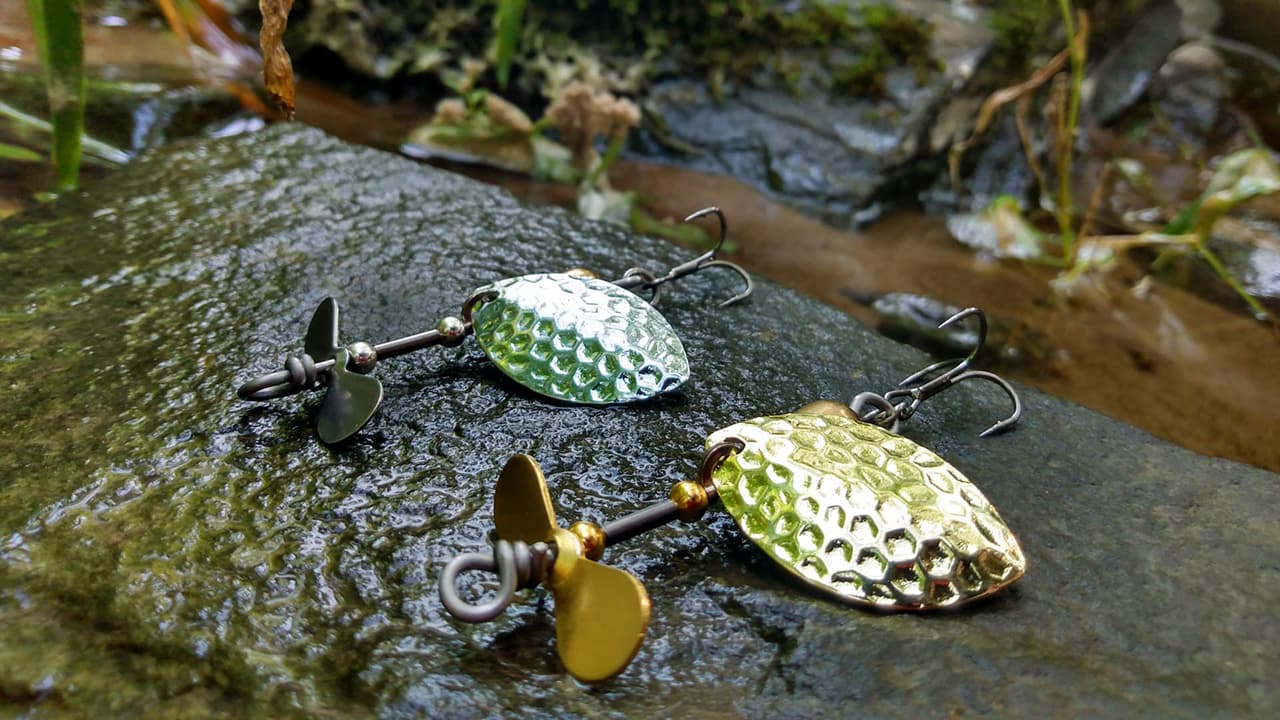
While many anglers view spinner fishing as a simple cast-and-retrieve technique, fishing experts are revealing that this approach often leaves significant potential on the water. Advanced strategies for working spinners can dramatically increase success rates and expand the range of species that anglers can effectively target.
"Let's go over some different approaches to working a spinner so you can make the most of what may be the most versatile and underutilized bait available," said an experienced angler who advocates for moving beyond basic techniques.
"Let's go over some different approaches to working a spinner so you can make the most of what may be the most versatile and underutilized bait available,"

One of the most persistent misconceptions in fishing is that spinners are primarily trout lures. In reality, when deployed with proper technique, spinners can effectively attract a broad spectrum of fish species across various conditions.

**The Speed Factor**
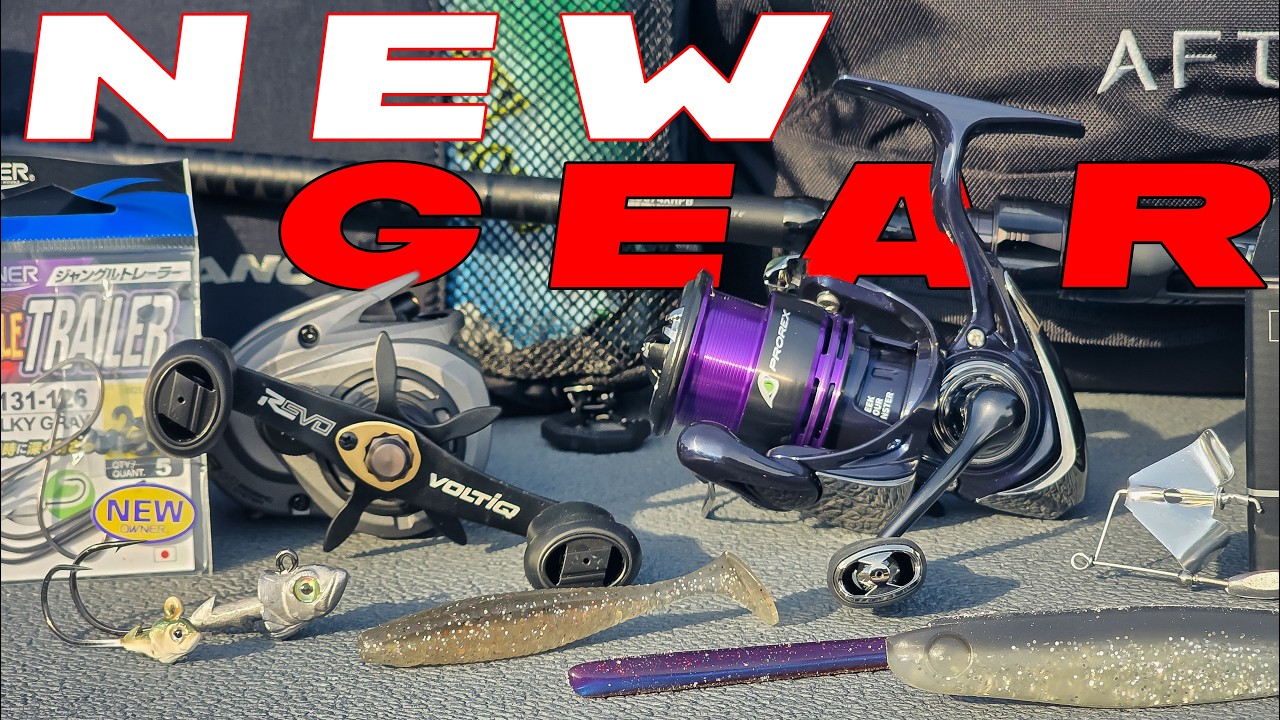
The first major adjustment many anglers need to make involves retrieve speed. Most fishermen start with just enough velocity to get the spinner blades rotating, but this conservative approach often misses opportunities.
Race Results
"Reeling a spinner faster causes more commotion in the water and gives fish less opportunity to inspect the lure," explained Rick Clunn, a professional bass angler. This insight highlights a crucial principle: fish operating on instinct have a limited window to react, often resulting in aggressive strikes when the spinner moves quickly through their territory.
"Reeling a spinner faster causes more commotion in the water and gives fish less opportunity to inspect the lure,"
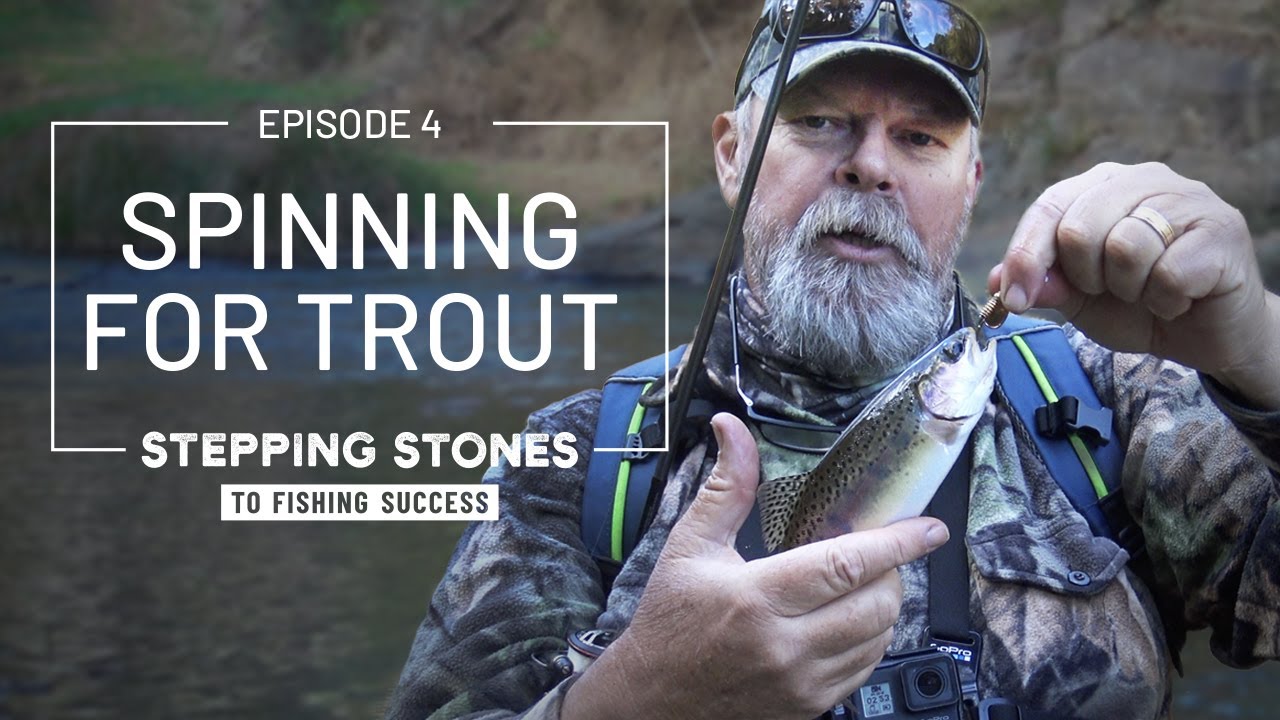
Burning large spinnerbaits just below the surface proves particularly effective because it capitalizes on the vulnerable position of baitfish. The increased flash from rapidly spinning blades near the water's surface can attract predatory fish from considerable distances.
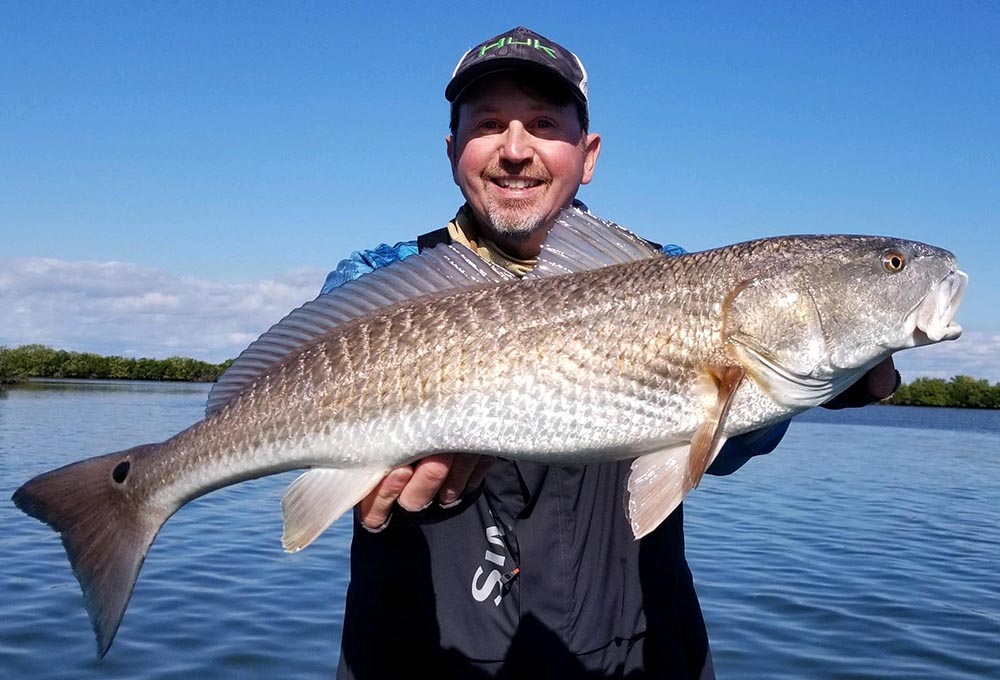
However, adapting retrieve speed to conditions remains essential. "As a generalization, slow retrieves tend to make more sense in extremely cold and hot conditions when fish are more lethargic," noted the experienced angler. Yet even in extreme temperatures, fast retrieves can occasionally trigger reaction strikes, particularly from species like Florida largemouth and northern smallmouth bass.
"As a generalization, slow retrieves tend to make more sense in extremely cold and hot conditions when fish are more lethargic,"
**Breaking the Consistency Trap**
Consistent retrieve speeds, while seemingly logical, can actually work against anglers using spinners. Instead of maintaining a single pace throughout the retrieve, successful spinner fishing requires incorporating deliberate variation.
"You might begin by reeling fast and then alternate with a few slower turns before speeding back up," suggested one expert. This strategy effectively mimics the erratic movements of prey animals, which naturally vary their swimming speeds when fleeing predators.
"You might begin by reeling fast and then alternate with a few slower turns before speeding back up,"
Stop-and-go techniques add another dimension to spinner presentations. Allowing the lure to drop momentarily during the retrieve creates more natural behavior patterns. "Physically moving your arms forward to give the line slack for a straight drop looks more natural," the knowledgeable angler continued.
"Physically moving your arms forward to give the line slack for a straight drop looks more natural,"
Perhaps the most effective variation involves incorporating rod jerks during the retrieve. "While reeling, yank the spinner a couple of times before returning to a steady retrieve," the angler advised. This technique simulates the frantic movements of a disturbed baitfish, creating the kind of erratic action that triggers predatory instincts and invites reaction strikes.
"While reeling, yank the spinner a couple of times before returning to a steady retrieve,"
**Mastering Directional Changes**
Natural movement patterns provide the foundation for another advanced spinner technique. Fish rarely swim in perfectly straight lines, and successful spinner presentations should reflect this reality.
"A panicked bait fish is not likely to swim in a perfectly straight line for 50+ feet," explained an expert, emphasizing the importance of emulating distressed prey behavior. This observation leads to one of the most effective advanced techniques: the zig-zag retrieve.
"A panicked bait fish is not likely to swim in a perfectly straight line for 50+ feet,"
By pointing the rod tip left and right during the retrieve, anglers create compelling irregular movement that attracts fish attention. This side-to-side motion proves especially valuable when using shiny blades, as it maximizes flash in multiple directions and creates visual triggers from various angles.
"This erratic action mimics the flight response of baitfish, providing an irresistible target for predatory fish," experts concluded.
"This erratic action mimics the flight response of baitfish, providing an irresistible target for predatory fish,"
**Practical Applications**
These advanced techniques work across different fishing scenarios. In situations where slow, steady retrieves produce no bites, increasing speed and adding variation can provoke interest from fish that might otherwise ignore conventional presentations.
The key lies in reading conditions and remaining flexible. When standard approaches fail, anglers armed with these advanced spinner techniques have multiple options for adapting their presentation to match fish behavior and environmental conditions.
Race Results
By incorporating faster retrieves, varying cadence, and adding directional changes, anglers can unlock the full potential of spinners as versatile fishing tools. These techniques transform spinners from simple lures into sophisticated fish-attracting systems capable of producing consistent results across various species and conditions.
Mastering these advanced spinner strategies requires practice, but the payoff comes in the form of increased strikes, better fish variety, and more successful fishing trips overall.