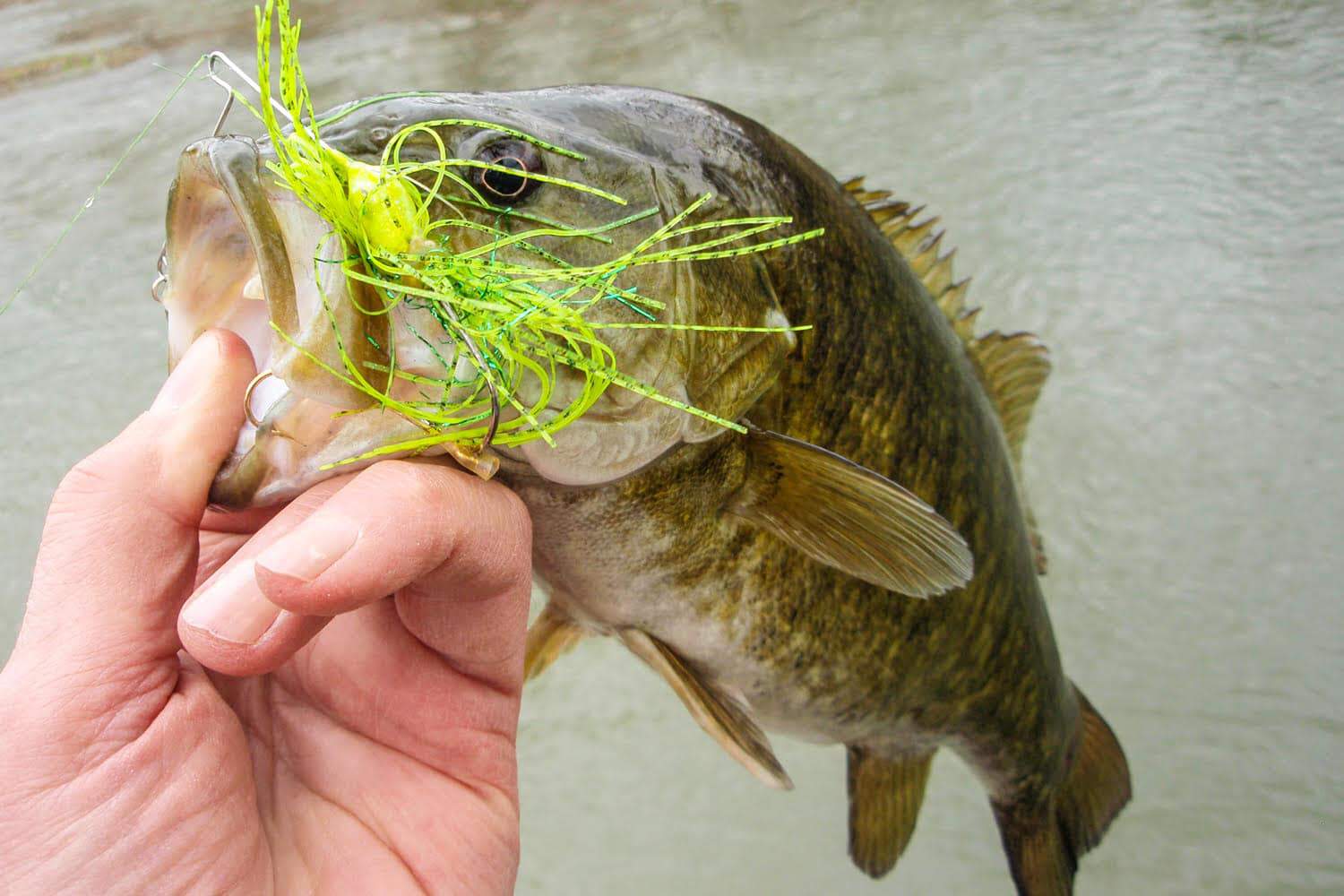
For bass fishing enthusiasts looking to expand their arsenal of effective lures, spinnerbaits have emerged as one of the most versatile and productive options available. These dynamic lures combine visual appeal, vibration, and lifelike movement to create an irresistible presentation that can fool bass in virtually any fishing scenario.
The effectiveness of spinnerbaits lies in their unique design and ability to adapt to changing conditions. Unlike many lures that excel in specific situations, spinnerbaits offer anglers a tool that performs consistently across a wide range of environments.
"A spinnerbait is really an all-around lure that can be fished in many environments, whether it's shallow or deep, clear or murky," explained Eric Hofmann, a seasoned bass fisherman. "It's about knowing how to use it effectively that makes all the difference."

"A spinnerbait is really an all-around lure that can be fished in many environments, whether it's shallow or deep, clear or murky,"

The anatomy of a spinnerbait consists of a wire frame equipped with one or more rotating metal blades and a skirted hook. As water flows over the spinning blades during retrieval, they generate enticing flashes of light and vibrations that closely mimic the movement patterns of injured or fleeing baitfish. This presentation triggers the predatory instincts that drive bass to strike.
**Blade Selection Makes the Difference**
Impact and Legacy
The key to maximizing spinnerbait effectiveness lies in understanding how different blade configurations perform under varying conditions. The blade style significantly impacts the lure's behavior and appeal to bass, particularly in relation to water clarity and temperature.
"The beauty of a spinnerbait is not just in its versatility; it's also in the different styles of blades available which can dramatically change how the lure performs in the water," Hofmann pointed out.
"The beauty of a spinnerbait is not just in its versatility; it's also in the different styles of blades available which can dramatically change how the lure performs in the water,"
Anglers typically choose from three primary blade types, each offering distinct advantages. Colorado blades, characterized by their rounded shape, excel at producing strong vibrations that displace significant amounts of water. This makes them particularly effective in muddy water conditions or during low-light periods when bass rely more heavily on their lateral line system to detect prey.
"For situations with low visibility, Colorado blades are top-notch as they can displace more water, making them audible to bass even when they can't see them," Hofmann explained.
"For situations with low visibility, Colorado blades are top-notch as they can displace more water, making them audible to bass even when they can't see them,"
Willow leaf blades represent the opposite end of the spectrum, designed primarily for clear water situations and fast retrieve speeds. Their elongated shape creates maximum flash while generating minimal drag, allowing anglers to work the lure quickly through the water column.
"They're excellent for when the bass are actively feeding and chasing bait," Hofmann added.
"They're excellent for when the bass are actively feeding and chasing bait,"
Indiana blades offer a middle ground between the two extremes, combining elements of both willow and Colorado blade designs. This hybrid approach provides a balanced combination of flash and vibration that performs well across varying water conditions.
"Indiana blades are a great choice when you need something versatile for varying water conditions," said Hofmann.
"Indiana blades are a great choice when you need something versatile for varying water conditions,"
**Essential Gear Setup**
Rod selection plays a crucial role in spinnerbait fishing success. A medium-heavy rod with fast action provides the ideal balance of strength for battling fish in cover while ensuring solid hooksets when bass strike. Hofmann recommends selecting a rod ranging from 6'6″ to 7'2″ in length for optimal performance.
Reel choice is equally important, with baitcasting reels offering superior control and power for spinnerbait applications. A gear ratio between 6.3:1 and 7.1:1 provides the speed necessary for effective presentations while maintaining enough torque to handle larger fish.
"Speed is essential when using a spinnerbait," emphasized Hofmann, highlighting the importance of quick retrieves in triggering strikes from bass.
"Speed is essential when using a spinnerbait,"
Line selection requires careful consideration of fishing conditions and target areas. Monofilament line works well in open water situations, offering stretch that provides forgiveness during hooksets. For these applications, 12-17 pound test strength typically proves adequate.
Career Journey
Fluorocarbon line excels in clear water conditions due to its nearly invisible underwater profile. The reduced visibility can make the difference between success and failure when targeting pressured bass in clear lakes and rivers. Recommended strength for fluorocarbon applications ranges from 15-20 pound test.
Braided line becomes the preferred choice when fishing heavy cover where bass might wrap anglers around structure. The superior strength and sensitivity of braid, typically rated at 30-50 pound test, provides the muscle needed to extract bass from thick vegetation or timber.
**Knot Selection for Reliability**
Proper knot selection ensures that the connection between line and lure remains secure throughout the fishing session. Hofmann recommends the San Diego Jam Knot for its reliability across all line types, while noting that the Improved Clinch Knot works well specifically with monofilament. For maximum strength with braid and fluorocarbon lines, the Palomar Knot offers superior holding power.
Understanding these fundamental aspects of spinnerbait fishing provides anglers with the knowledge needed to maximize their success on the water, regardless of conditions or target species size.