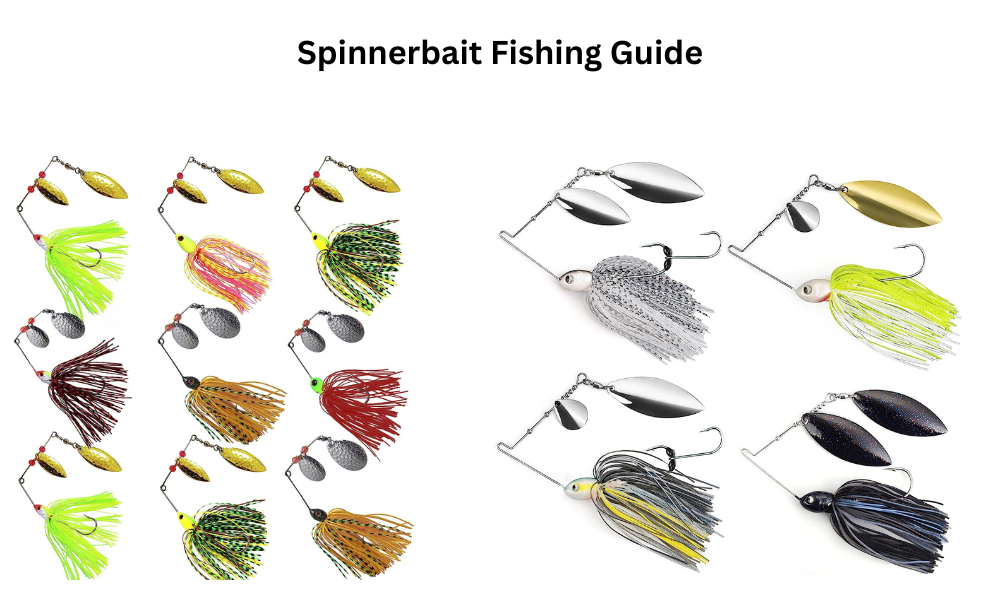
Diving into the world of spinnerbait fishing can be both thrilling and rewarding for anglers looking to elevate their fishing game. Renowned for their versatility, spinnerbaits enable fishers to adapt to diverse water conditions while attracting predatory species effectively. Let's explore the intricacies of spinnerbait fishing through the insights of seasoned experts.
Understanding Blade Types: Colorado vs. Willow Leaf
When it comes to choosing between the Colorado and Willow Leaf blades, the decision can create a wave of confusion. "Colorado blades excel in stained or muddy waters due to their superior vibration and visibility appeal," said fishing expert James Cooper. The larger the blade, the more vibration it emits, making it essential for lower visibility environments. Conversely, Willow Leaf blades thrive in clear waters; their sleek design mimics smaller baitfish, a significant attractor for active predators.

"Colorado blades excel in stained or muddy waters due to their superior vibration and visibility appeal,"

"Mastering both blade types will give you a strategic advantage as conditions shift," suggested Cooper. Understanding when to use each type is pivotal for a successful fishing experience.
"Mastering both blade types will give you a strategic advantage as conditions shift,"
Selecting Effective Color Combinations
Simplicity often reigns supreme when choosing spinnerbait colors. Effective anglers frequently stick with classic choices. "White and chartreuse are your best bets, mimicking the look of shad and bluegill convincingly," noted professional angler Emily Johnson. Experimenting with these colors can reveal the most effective combinations based on local conditions.
"White and chartreuse are your best bets, mimicking the look of shad and bluegill convincingly,"
A focused approach by selecting fewer colors can frequently yield higher success rates, an insight Johnson emphasizes: "Keeping it simple often leads to better focus—a cluttered tackle box won't land you more fish."
Advantages of Colorado Bladed Spinnerbaits
Colorado blades take precedence in stained waters, making them an excellent choice when tackling muddy conditions. According to veteran fisherman Greg O'Brien, "The vibration created by a Colorado bladed spinnerbait is compelling for fish, attracting them even before they spot the lure." This makes the bait an excellent option under low-visibility scenarios.
Additionally, they work wonders in thick grass, where visibility is poor. However, careful attention should be paid to the blade size; O’Brien advises, "Larger blades can get snagged easily, so sticking to a medium-sized option typically does the trick."
The Slow Rolling Technique for Cold Water Fishing
As water temperatures drop below 60 degrees, employing a slow rolling technique becomes essential. Veteran angler Ron Wells explained, "Using a 6.3 to 1 gear ratio reel is crucial for managing the drag that comes with slow rolling a Colorado blades in colder waters." This method provokes reactive strikes from lethargic fish, often turning slow conditions into productive outings.
Leveraging Willow Leaf Bladed Spinnerbaits
The Willow Leaf blade shines in clearer waters, particularly when targeting aggressive fish. "Their swift rotation mimics the movement of small baitfish, which fish find hard to resist," noted expert angler Lisa Nguyen. Utilizing these blades effectively requires an acute understanding of water clarity and fish behavior.
"Their swift rotation mimics the movement of small baitfish, which fish find hard to resist,"
When fish are actively feeding or displaying aggressive tendencies, the Willow Leaf blade’s quick retrieve becomes a game-changer: "It can lead to explosive strikes from eager predators who are ready to pounce," Nguyen added, emphasizing the technique's utility in drawing attention from fish nearing the surface.
Mastering the Burning Technique
Race Results
In situations where spotted or smallmouth bass are feeding aggressively, employing the 'burning' technique proves effective. "Cast it out and retrieve quickly just under the surface; this creates a commotion that mirrors fleeing baitfish," advised seasoned fisherman Derek Stone. The resulting wake often prompts striking responses from fish, providing an exhilarating fishing experience.
"Cast it out and retrieve quickly just under the surface; this creates a commotion that mirrors fleeing baitfish,"
The Art of Color Mimicry
The goal when selecting spinnerbait colors should be to replicate the natural prey fish. "Sticking to white and chartreuse allows for effective imitation of shad and bluegill, which are prevalent prey for larger fish," said fishing guide Kathy Mitchell. However, minor variations in skirt and blade colors can help match local baitfish, increasing the chances of enticing bites.
"Sticking to white and chartreuse allows for effective imitation of shad and bluegill, which are prevalent prey for larger fish,"
Adjusting to Local Conditions
Successfully adapting color choices to local conditions is critical. For the best outcomes, anglers should always scrutinize the natural forage present in their fishing area. "Observing the environment and adjusting accordingly improves your odds of a successful catch," noted Mitchell. This adaptability can transform a standard fishing trip into an unforgettable experience.
"Observing the environment and adjusting accordingly improves your odds of a successful catch,"
Conclusion
Spinnerbait fishing continues to be a dynamic pursuit, allowing anglers to tailor their techniques and approaches to various fishing scenarios. As discussed, understanding the types of blades, effective color combinations, and presentation techniques can lead to substantial success on the water. By mastering these elements, anglers can enhance their skills and enjoy the thrill that comes with catching more fish. Whether you are a seasoned pro or just starting, spinnerbait fishing has something to offer everyone on their quest for the next big catch.