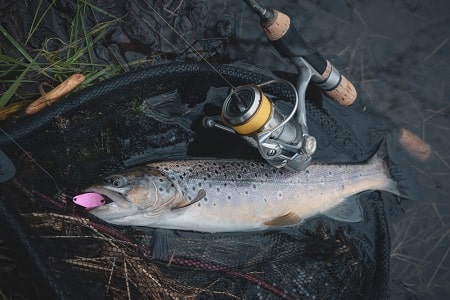
Among the arsenal of techniques available to trout anglers, spoon fishing has emerged as one of the most reliable and effective methods for landing these prized freshwater fish. What separates successful spoon fishermen from casual weekend anglers, however, lies in mastering the subtle nuances of presentation, gear selection, and technique adaptation.
An experienced fishing guide, who has dedicated years to perfecting this craft and teaching others, recently shared insights that could transform any angler's success on the water. "I've taught hundreds of anglers how to get better at spoon fishing for trout," the seasoned guide explained, emphasizing that his methods focus on specific aspects that can dramatically improve catch rates.
"I've taught hundreds of anglers how to get better at spoon fishing for trout,"

The foundation of successful spoon fishing rests heavily on presentation—a factor the guide considers the most critical element in the entire process. The interplay between speed, depth, and casting direction creates a complex equation that determines whether trout will strike or simply observe from a distance. "To increase hook-ups by over 50%, you need to effectively cover the water while triggering strikes with your spoon," the guide revealed, highlighting the substantial improvement possible when these elements align properly.
"To increase hook-ups by over 50%, you need to effectively cover the water while triggering strikes with your spoon,"

This significant boost in success rates isn't achieved through luck or chance encounters. Instead, it requires a methodical approach to water coverage and an understanding of how trout respond to different spoon presentations. The guide's emphasis on triggering strikes suggests that aggressive, reactive feeding behavior can be induced through proper technique rather than simply waiting for opportunistic feeding moments.
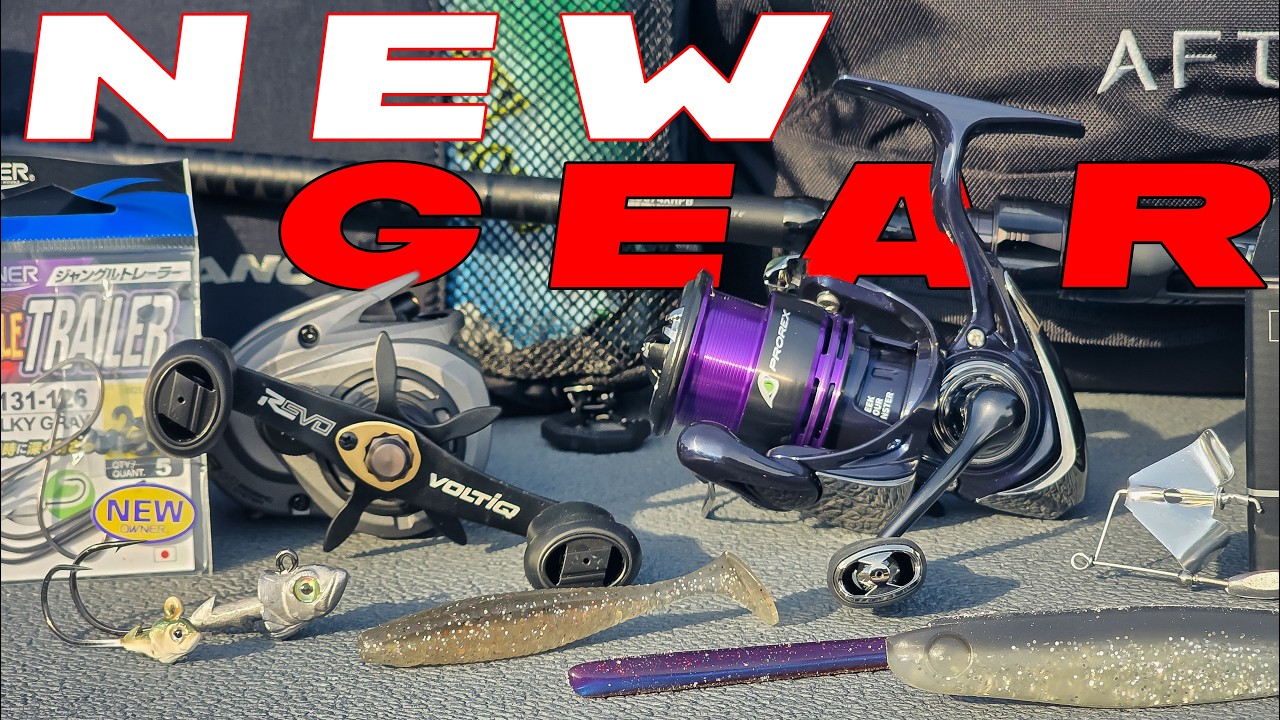
Equipment selection plays an equally crucial role in maximizing spoon fishing effectiveness. The guide stressed that having the right setup extends beyond simply choosing any rod and reel combination. Specific attention to line and leader selection can make the difference between a productive day and returning empty-handed. "Using the right line can make a huge difference when fishing with spoons. It's all about those delicate actions that mimic a wounded baitfish," the expert noted.
This emphasis on mimicking injured prey reveals the underlying predatory instincts that drive trout behavior. The wounded baitfish presentation triggers an instinctual response in trout, making proper line selection not just a technical consideration but a biological one that taps into fundamental feeding patterns.
Adaptability emerges as another cornerstone of advanced spoon fishing technique. Understanding how color and size variations affect trout behavior allows skilled anglers to adjust their approach based on changing conditions, target fish size, and activity levels. "I often change the color and size of my spoons according to the specific conditions I'm facing," the guide shared, demonstrating the dynamic nature of successful spoon fishing.
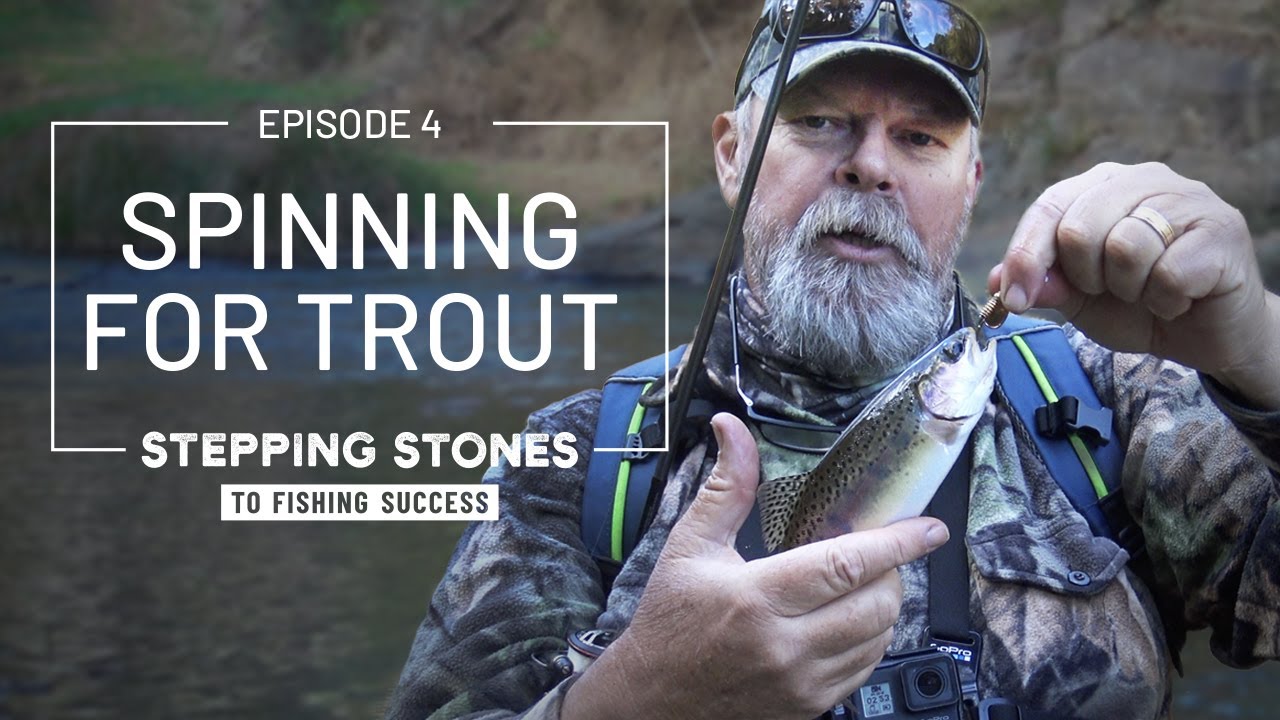
"I often change the color and size of my spoons according to the specific conditions I'm facing,"
Impact and Legacy
This adaptive approach recognizes that trout fishing isn't a one-size-fits-all proposition. Water clarity, weather conditions, seasonal patterns, and even time of day can influence which spoon characteristics prove most effective. The willingness to experiment and adjust separates experienced anglers from those who rely on a single approach regardless of conditions.
When it comes to spoon selection, not all lures offer equal performance. Casting spoons have established themselves as the preferred choice for trout fishing due to their specific design characteristics. "Casting spoons are heavier and designed specifically to sink quickly and perform well in moving water," the guide explained. "They're the preferred choice for trout fishing because they exhibit the right wobble and flash that attract strikes."
"Casting spoons are heavier and designed specifically to sink quickly and perform well in moving water,"
This preference isn't arbitrary—it's based on practical fishing requirements. The heavier weight of casting spoons allows for accurate placement and proper depth control, while their action characteristics create the visual and vibrational cues that trigger trout strikes. In contrast, trolling spoons present significant limitations for this application. "They are often too light for effective casting and can be challenging to manage in currents," the guide warned.
"They are often too light for effective casting and can be challenging to manage in currents,"
Specific product recommendations from experienced anglers carry particular weight, as they're based on countless hours of field testing. "For effective trout fishing in rivers, I suggest the Thomas Colorado Spoon," the guide noted. "This is a popular choice for various water types and is a staple among many skilled anglers."
"For effective trout fishing in rivers, I suggest the Thomas Colorado Spoon,"
Additional proven options include the Mepps Little Wolf Spoon and Luhr Jensen Krocodile Spoons, which have earned recognition for their consistent performance. "These spoons perform well in various conditions and are among my favorites for catching both stocked and wild trout," the guide added, highlighting their versatility across different trout populations and environments.
"These spoons perform well in various conditions and are among my favorites for catching both stocked and wild trout,"
Technique refinement requires ongoing attention to environmental factors and retrieval methods. The guide emphasized the importance of adapting methods based on water clarity, noting, "It's important to adapt your methods based on whether the water is clear or stained." This environmental awareness extends beyond simple visibility considerations to encompass how different water conditions affect trout behavior and feeding patterns.
Perhaps most importantly, the mechanical aspects of spoon fishing—particularly retrieval technique—can transform an unproductive outing into a memorable success. "The way you reel in a spoon—including speed and movement—can turn a slow day into a successful one," the guide concluded, emphasizing that technical mastery of the retrieval process represents the final piece of the spoon fishing puzzle.
"The way you reel in a spoon—including speed and movement—can turn a slow day into a successful one,"