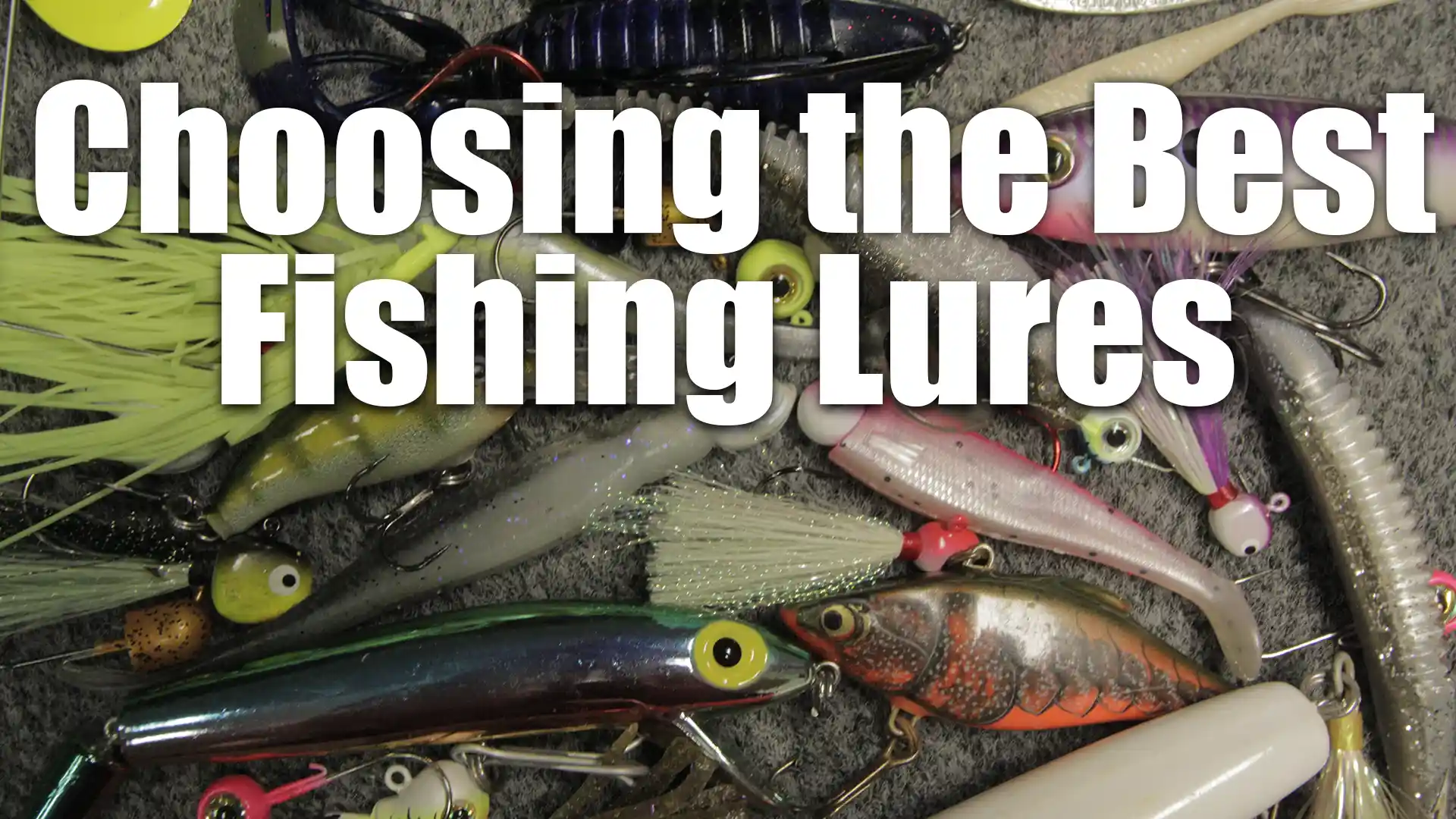
Choosing the right fishing lures can often feel overwhelming for anglers, given the plethora of options available. However, several seasoned anglers believe that understanding the types of lures and their applications can simplify the process. "It’s important to know what type of fish you’re targeting and where you’ll be fishing. That’s the first step to choosing your lures," said Dave Anderson, a professional angler and fishing guide.
Historically, fishing has played a crucial role in human sustenance, with ancient cultures using tools like fishing rods and hooks as early as 2000 B.C. The progression of fishing techniques saw the emergence of the first lures made from rudimentary materials such as feathers and animal bones. Today’s lures are a far cry from those humble beginnings, boasting designs meant to attract various fish species across diverse environments.
To assist anglers in navigating the numerous lure options, let’s explore several key categories, starting with spinnerbaits. "Spinnerbaits are incredibly versatile. They’re designed to maneuver through cover, making them ideal for fishing in areas with vegetation or structure," noted Brian McCarthy, a lure manufacturer. With a wire harness and a combination of blades, these lures can be used to target species ranging from bass to bluegills and northern pike.


Another popular category is crankbaits, which are known for their ability to mimic the swimming action of prey. "When you retrieve a crankbait, it dives and wobbles in a way that piques the interest of fish. The sound it produces also adds to its attraction," explained Jenna Clark, a fishing tournament veteran. Crankbaits are especially effective in both shallow and deep waters, appealing to a wide variety of fish.
Soft plastics offer yet another layer of versatility. "These lures are very customizable. They come in various shapes, sizes, and colors, which allows anglers to use them in different presentations, like Texas rigs or wacky rigs," said Tom Sullivan, a fishing enthusiast known for his expertise in plastic baits. Soft plastics can imitate worms, minnows, or other forage, making them great choices for many fishing scenarios.
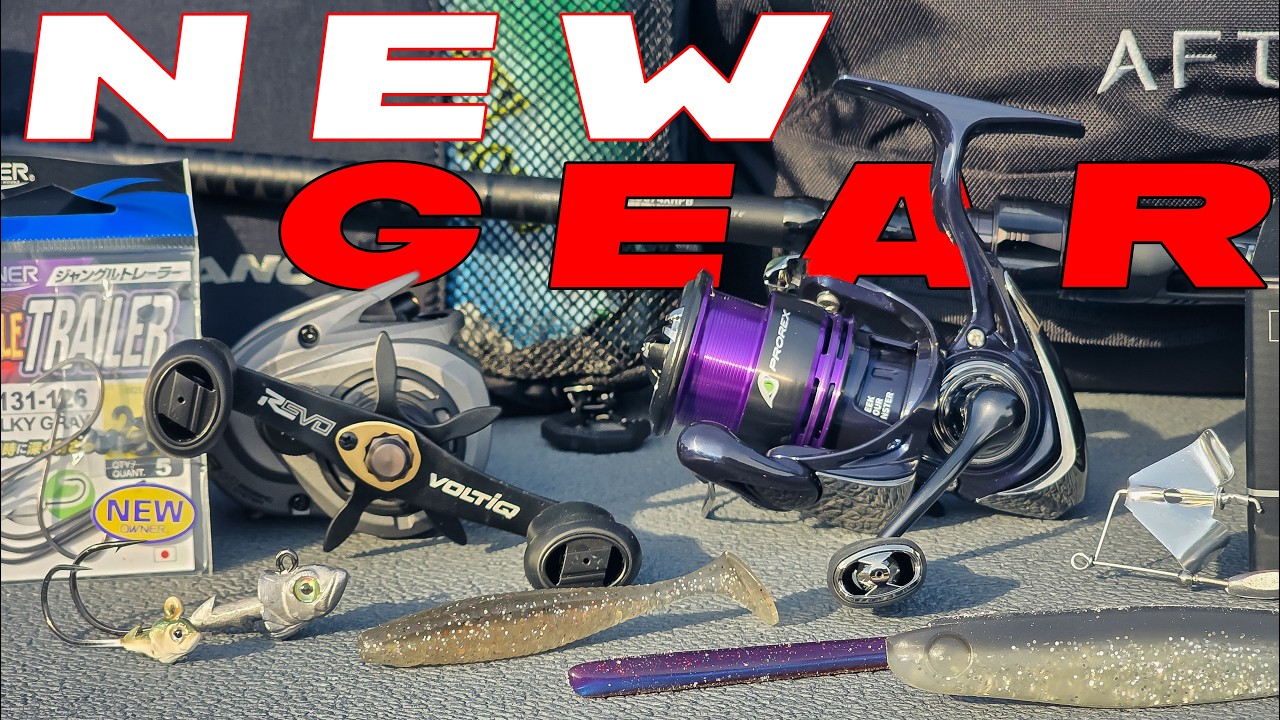
For more aggressive predators, buzzbaits can be the go-to option. "Buzzbaits create a surface disturbance that can trigger bass and pike into striking. The noise and splashes create an exciting visual for the fish," said former professional angler Lisa Tran. This allure makes buzzbaits particularly effective in warm waters during the active feeding season.
Impact and Legacy
When choosing lures, it's essential to consider the water conditions and the time of year. "Fish behavior changes with the seasons and varies based on water temperatures. This influences their feeding patterns and, consequently, which lures you should select," advised Seth Roberts, a seasoned fishing guide. Understanding local fish behavior will help tailor lure choices to maximize success.

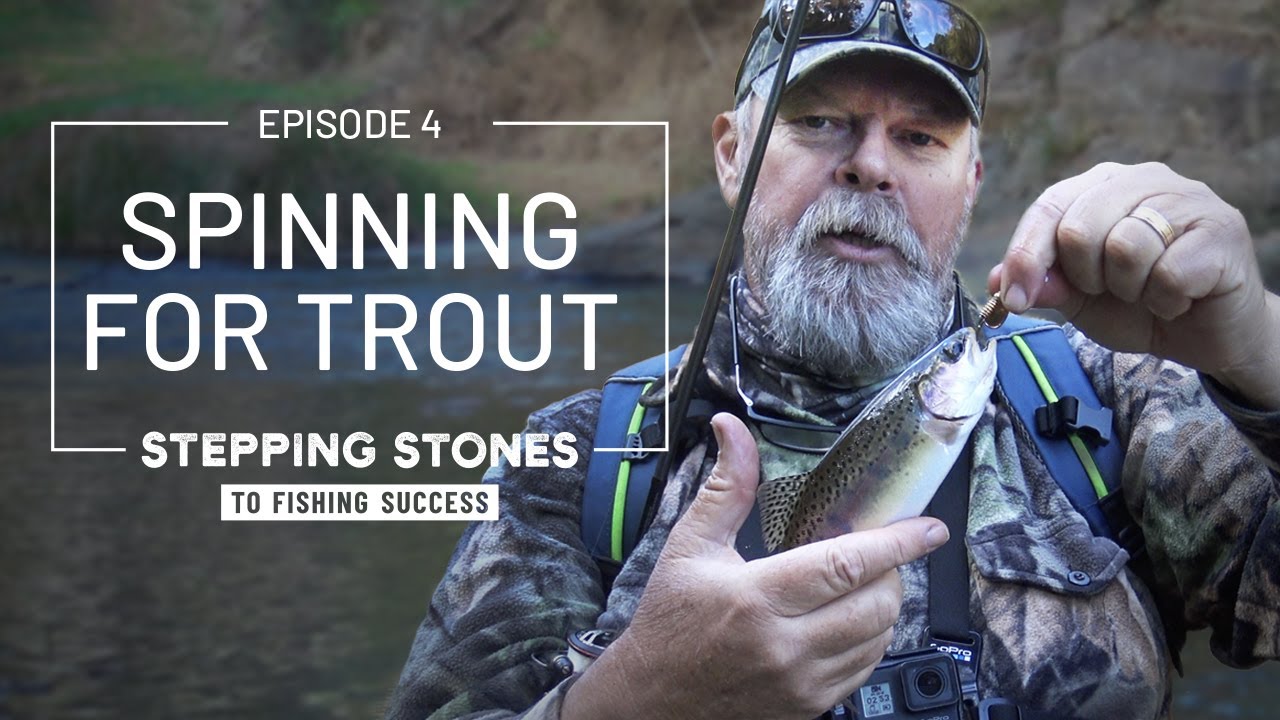
Using colors that represent natural prey is also critical. "Bright colors can work well in murky waters, whereas natural colors often perform better in clear conditions," remarked Kelly Young, a fish biologist. This knowledge emphasizes the need to adapt lure colors based on fishing environments.
"Bright colors can work well in murky waters, whereas natural colors often perform better in clear conditions,"
In conclusion, selecting the right fishing lure is not merely a matter of personal preference but an art based on knowledge and understanding of fish and their habitats. By conforming to the types of lures available, seasonal changes, and the aquatic environment, anglers can enhance their chances of catching fish. Upcoming fishing seasons promise exciting opportunities for both novice and seasoned anglers willing to invest time in selecting their gear wisely.