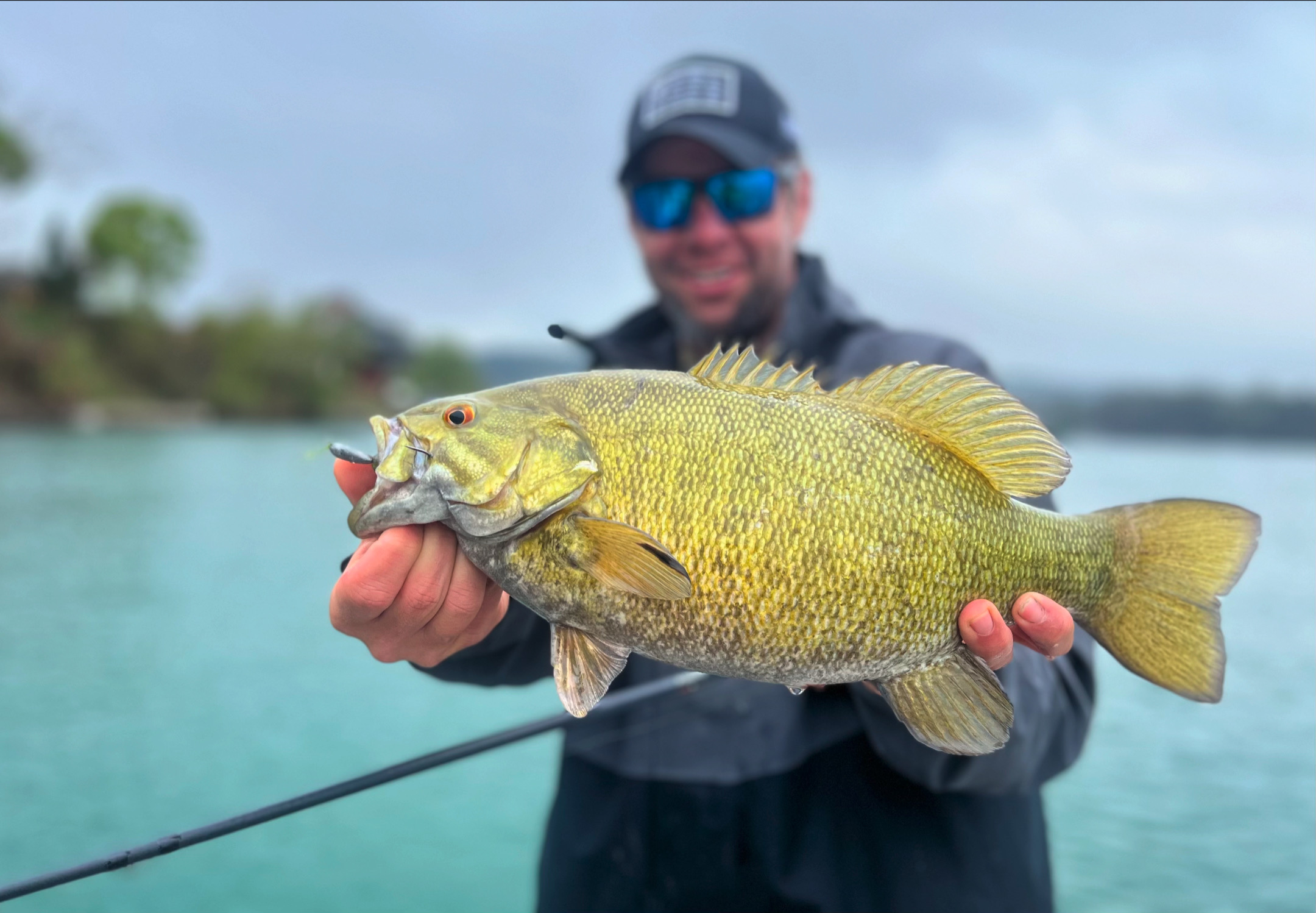
Smallmouth bass are renowned for their strength and spirited fighting style. These freshwater champions are among the most sought-after species for anglers in the United States. Their diverse habitats and aggressive behaviors not only make them intriguing to catch but also offer a thrilling fishing experience. To delve into the world of smallmouth bass fishing, let's explore some key strategies and expert tips.
"Pound for pound, smallmouth bass are some of the strongest and most aggressive fish you'll encounter in freshwater," according to fishing expert Joe Cermele. Their ability to thrive in various environments—from rocky creek beds to expansive lakes—adds to their allure for anglers.
"Pound for pound, smallmouth bass are some of the strongest and most aggressive fish you'll encounter in freshwater,"

As smallmouth bass are adaptable to a range of conditions, targeting them effectively requires understanding their habitats. "They like rocky bottoms, mud bottoms, vegetation, and sparse flats," said fishing analyst Derek Horner. With these various environments in mind, strategies for successfully catching smallmouth bass can vary significantly.
"They like rocky bottoms, mud bottoms, vegetation, and sparse flats,"

**Quick Tips for Successful Fishing**
Career Journey
When it comes to timing and techniques, there are some standout recommendations for anglers. "Although smallmouth can be caught year-round, early spring and late fall are the best times to catch trophy-class fish," says Cermele. Alongside seasonal considerations, the choice of lure also plays a vital role. Smallmouths have a diverse diet, leading fishers to experiment with different sizes and types of lures.
"Although smallmouth can be caught year-round, early spring and late fall are the best times to catch trophy-class fish,"
"Don’t be afraid to use lures you might think are too large or too small to target them," Cermele advises, noting the adaptability of these fish when it comes to their prey. One common theme among successful anglers is the effectiveness of white lures or flies, which can fool smallmouth bass better than others. "When in doubt, white lures or flies fool smallmouth more consistently than any other lure color," added Horner.
"Don’t be afraid to use lures you might think are too large or too small to target them,"
Summer provides unique opportunities for fishing, particularly with topwater lures. "In summer, topwater lures like poppers and Spooks are a top choice for bronzebacks in both moving and still water," highlights Cermele. For those using fly fishing techniques, understanding aquatic insect hatches can be particularly beneficial; smallmouths respond similarly to trout when it comes to these feeding events.
"In summer, topwater lures like poppers and Spooks are a top choice for bronzebacks in both moving and still water,"
Race Results
"Smallmouth feed heavily in the dark, making nighttime missions a fun new challenge for many anglers," said Horner, emphasizing the excitement of nighttime fishing for these bass. Furthermore, for those venturing into deeper waters, vertical jigging can yield impressive results. "Smallmouth bass respond particularly well to vertical jigging presentations when found in deep water," Cermele noted.
"Smallmouth feed heavily in the dark, making nighttime missions a fun new challenge for many anglers,"
**Choosing the Right Gear**
Selecting the right gear is crucial when pursuing smallmouth bass, especially regarding line strength. Unlike their largemouth counterparts, smallmouth bass often inhabit clear waters, making them more susceptible to line visibility. "Using line or leader that’s too heavy can work against you two ways: the fish can see the line, and a stiff leader may make lures look unnatural," Cermele cautions.
"Using line or leader that’s too heavy can work against you two ways: the fish can see the line, and a stiff leader may make lures look unnatural,"
To overcome this challenge, angling experts recommend utilizing a lighter line. "Even in waters that yield five-pound bass, downsizing to a leader testing as little as 6 pounds can be necessary to fool smallies," explained Horner. He advocates for the use of fluorocarbon leader due to its low visibility underwater, stating, "Always carry a selection of leader from 6- to 12-pounds when smallmouth fishing. Start heavier, but be ready to scale down if needed."
"Even in waters that yield five-pound bass, downsizing to a leader testing as little as 6 pounds can be necessary to fool smallies,"
**Understanding the Feeding Patterns**
A vital consideration in successfully catching smallmouth bass is understanding their feeding habits. Cermele emphasizes the importance of crayfish as a primary food source for these fish. "Crayfish are one of the smallmouth bass’ primary food sources," he pointed out. Thus, utilizing baits that resemble these crustaceans can lead to successful catches.
"Crayfish are one of the smallmouth bass’ primary food sources,"
Race Results
With the right knowledge and preparation, catching smallmouth bass can turn into a rewarding experience. "An aggressive lure presentation often fosters competitiveness among smallmouth, resulting in significant reaction strikes," shared Horner.
"An aggressive lure presentation often fosters competitiveness among smallmouth, resulting in significant reaction strikes,"
Capturing these powerful fish requires an understanding of their habitat, feeding patterns, and the right gear. As fishing enthusiasts prepare for their next adventure, employing these expert insights will undoubtedly enhance their chances of success.
**Conclusion**
As smallmouth bass fishing continues to captivate anglers across the U.S., embracing effective strategies and adapting to changing environments plays a significant role in success. Mastering the art of catching these renowned fish not only enhances individual experiences but contributes to the evolving landscape of freshwater fishing.