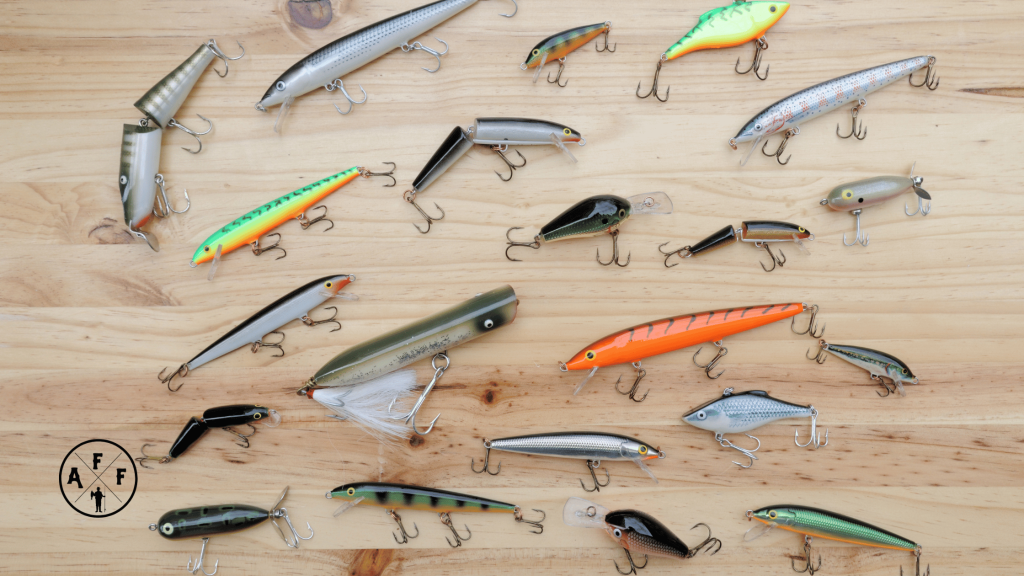
Fishing has long captured the hearts of hobbyists, and for many, crafting homemade fishing lures adds an enriching layer to this beloved pastime. "Homemade fishing lures provide a personalized touch to an angler’s arsenal," said Captain Tyler Brady, an expert in fishing techniques. His insights guide both novice and experienced anglers through the art of lure making.
"Homemade fishing lures provide a personalized touch to an angler’s arsenal,"
To embark on this creative journey, selecting the right material is a crucial first step. Brady favors wood, particularly pine and balsa, for their workability and effectiveness. "Once the material is chosen, the next step involves designing the lure; this will determine its appearance and functionality in the water," he explained. This thoughtful preliminary process often leads to not just aesthetic appeal, but also to successful fishing outings.

"Once the material is chosen, the next step involves designing the lure; this will determine its appearance and functionality in the water,"
After deciding on a design, the next phase is shaping the material. This step can stir excitement as it allows for artistic freedom. "This is the exciting part, where artistic flair and attention to detail come into play," Brady emphasized. Choosing appropriate hooks and weighting systems is equally important to ensure that the lure performs naturally in water. "Making your own fishing lures is a fulfilling and cost-effective way to enhance your angling experience," he added.
"This is the exciting part, where artistic flair and attention to detail come into play,"

Exploring Different Types of Lures
As someone intently engaged in the fishing community, Brady categorizes lures into several key types popular among anglers:
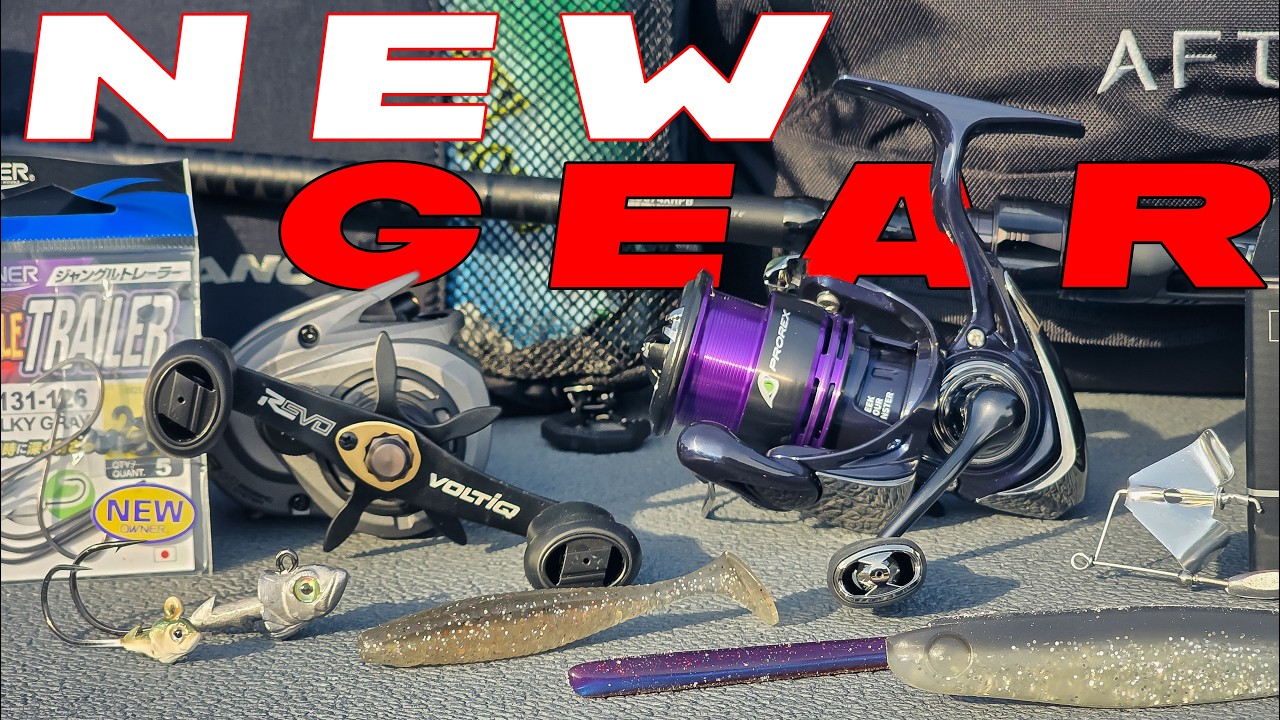
- **Soft Plastics**: Imitations such as worms, grubs, and crawfish that can be used flexibly with techniques like Texas rigging or drop shotting. - **Spinnerbaits**: These feature a spinning blade and a jig, designed to create vibrations that attract fish. - **Crankbaits**: Designed to mimic small fish, these lures deliver an erratic action that can cover vast water areas in no time.
Impact and Legacy
Choosing the right materials is paramount for producing effective lures. Brady pointed out, "The materials you choose can significantly impact their performance." He highlights a variety of options:
- **Metal**: Durable and capable of producing enticing vibrations, metal lures like spoons are particularly effective. - **Plastic**: Versatile in shape and form, plastic is essential for crafting everything from soft baits to hard plastic crankbaits. - **Wood**: Traditional balsa or pine offers buoyancy coupled with a lively action in the water, making wooden lures a staple in many anglers' tackle boxes.
Essential Tools for Lure Making
Equipped with the right tools enhances the lure-making experience. Brady emphasizes the necessity of some basic equipment:
Race Results
- **Saw**: A small hand saw or coping saw is invaluable for shaping lures from wood or plastic. - **Paintbrushes**: A variety of brushes are essential for detailing and sealing lures. - **Drill**: A drill is helpful for making precision holes to attach hardware. - **Sandpaper**: Used to smooth wooden surfaces for a refined finish. - **Scissors and Pliers**: These tools are critical for cutting materials and working with hardware.
- **Clear Sealer**: An epoxy clear coat protects the paint and enhances durability. - **Components**: Beads, swivels, and split rings are essential for assembling functional lures. - **Wire and Screw Eyes**: Used for constructing spinners and securing hooks, these elements contribute to the lure's integrity. - **Paint and Metal Sheets**: Non-toxic paint and patterned sheets enable creative designs for a unique presentation.
With the right tools and materials at hand, Brady assures aspiring lure makers that they can venture into this hands-on hobby quite easily. "Making lures is a fun and rewarding hobby," he stated. "With practice, they will be able to create effective and attractive lures that help catch more fish."
Conclusion
Career Journey
As a time-honored pursuit, fishing continues to evolve with techniques and trends, particularly in the realm of personalized tackle. Crafting custom lures not only enhances one's fishing experience but also nurtures creativity and skill. Considering Brady’s insights on choosing the right materials and tools, it's evident that the art of lure making is not only a practical skill but a delightful and engaging pastime as well. For those looking to deepen their connection with fishing, making your own lures could be the next thrilling step on the journey.