
For many anglers, the journey into the world of fishing often begins with basic lures like trick worms and crankbaits. However, one lure type that frequently frustrates both novice and intermediate anglers is the topwater frog. Despite the lure's prowess, many found themselves merely moving plastic around in vain, questioning how professionals land substantial catches using it.
"A frog lure can be one of the deadliest lures on the lake, but it can also be a difficult one to master," said a seasoned fishing expert. This article will explore the intricacies involved in using frog lures, from understanding what they are to effective fishing methods and top product recommendations.
"A frog lure can be one of the deadliest lures on the lake, but it can also be a difficult one to master,"


Understanding the essence of a frog lure is essential for success. There are two main types classified in fishing. While soft-plastic frogs emulate craws with a different presentation, the frog lures discussed here have a more rigid, rubber-like body that floats. "These frogs tend to have two skirts acting as legs, and the hook system wraps up from the belly to the top with a forked hook design," explained a fishing tackle enthusiast. These frogs are crafted to stay on the surface, designed to entice bass unless damaged.
"These frogs tend to have two skirts acting as legs, and the hook system wraps up from the belly to the top with a forked hook design,"
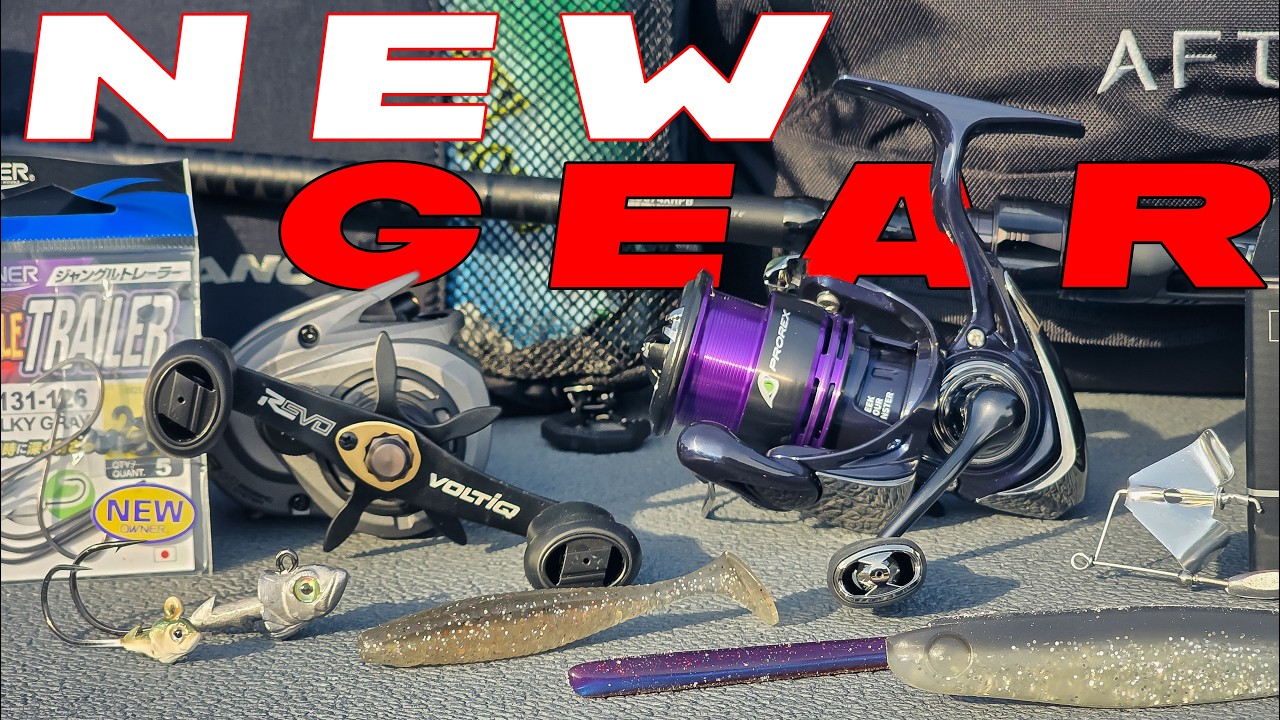
Common mistakes often thwart those trying to fish with topwater frogs. Among these errors, equipment choice and timing are critical factors. An angler equipped with inappropriate gear often struggles to catch anything. "That’s why the guy using a medium spinning reel with 10lb mono doesn’t tend to get bites," shared a professional angler. Timing also plays a key role; when bites occur, many begin to misunderstand their rod's mechanics and lure setup, leading to further confusion.
"That’s why the guy using a medium spinning reel with 10lb mono doesn’t tend to get bites,"
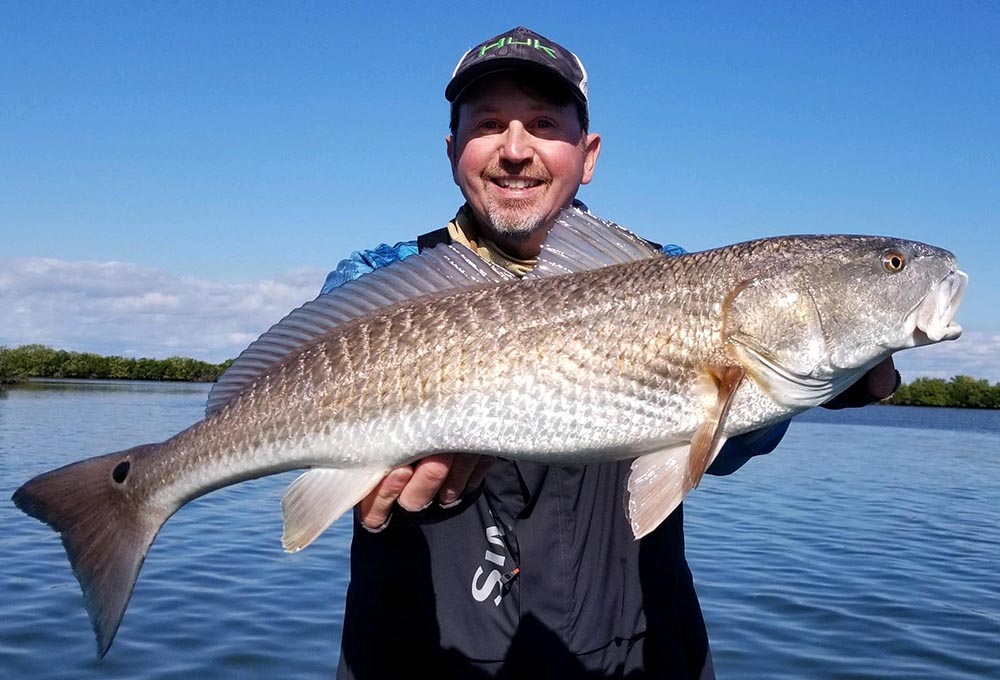
Addressing the equipment needed for a successful frog fishing experience is vital. "You don’t want to tie a frog lure onto a random rod and go for it," cautioned an experienced fishing guide. The general consensus among experts is to opt for a heavy rod with a fast-action tip and a faster reel setup. Braided line tends to be the choice of many anglers, as it floats and has no stretch. "Plus, it’s easier to drag fish out of heavy weeds or lily pads with a thinner line," advised an angler familiar with the challenges of fishing.
"You don’t want to tie a frog lure onto a random rod and go for it,"
Once you have the right setup, positioning is essential for effectively fishing a frog lure. "You don’t just start casting it toward the middle of the pond and hoping for the best. It won’t work," said a competitive fisherman. Frogs typically occupy the edges of water bodies near rocks, moss mats, and lily pads. Thus, to maximize effectiveness, anglers should focus on fishing around these structures, identifying spots like coves and outcroppings.
The casting technique employed with a frog lure shouldn't be underestimated. Unlike other lures that might simply land in any available space, frog lures mimic real frogs in their natural habitat. "They’re some of their favorite meals," remarked a veteran fisherman. To achieve success, it's crucial to cast the lure onto surfaces where frogs are likely to be seen, allowing it to sit momentarily before proceeding. Mastering this casting technique can be a challenge, especially for those seasoned angler.
"They’re some of their favorite meals,"
In conclusion, fishing with frog lures requires not just the right equipment and technique, but also an understanding of bass behavior and habitat. Anglers must be patient, observe their surroundings, and practice their casting skills to take advantage of the topwater bite. As many seasoned participants confirm, when done right, fishing with frog lures could very well redefine your fishing experience, helping you reel in the bass of your dreams.