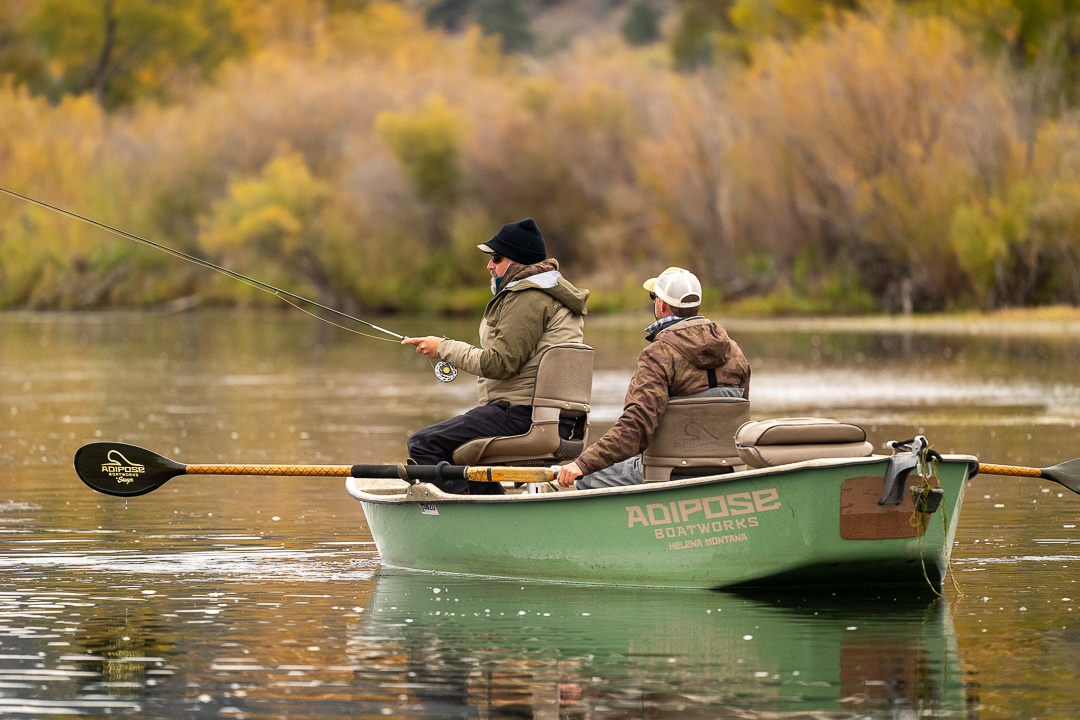
The Missouri River is a prime destination for anglers seeking trophy trout, particularly during the exciting practice known as "head hunting for trout." This technique focuses on targeting individual fish as they rise to the surface, making it both a challenging and rewarding endeavor. Anglers can find plentiful opportunities from Wolf Creek and Craig down to Cascade, Montana, where clear waters and vibrant hatches provide ideal conditions for spotting and enticing trophy Brown and Rainbow trout.
"Head hunting for trout is all about patience and precision," said a seasoned local angler. This method goes beyond traditional fishing techniques, emphasizing the importance of sight fishing. Instead of casting without direct observation, anglers need to carefully observe the water for signs of feeding fish. “Before you even think about casting, take the time to watch for subtle rises or dimpling on the surface where trout are feeding,” the angler advised.
"Head hunting for trout is all about patience and precision,"


To successfully engage in head hunting, one must master various tactics. The first crucial step is to match the hatch. The Missouri River hosts a variety of insects crucial to trout diets, especially spinners, emergers, and cripples. “Carry a diverse selection of flies that mimic local insects,” the angler urged, mentioning popular patterns like Parachute Adams and PMDs.
Using long leaders and fine tippets is another essential tactic. The river’s clarity makes trout particularly skittish, and utilizing a longer leader of 9 to 12 feet, coupled with 4X to 5X tippets, allows for stealthier presentations. “It’s about making that delicate presentation without spooking the fish,” noted a noted river guide.
Approaching your target fish requires stealth and an awareness of your surroundings. “Practice casting to specific spots, aiming your fly just inches from the feeding trout,” instructed the guide. He emphasized that a natural drift, with your fly moving in sync with the current, is vital for fooling these wary creatures. “Keeping a low profile and avoiding sudden movements can make all the difference,” he added, recommending staying seated if you’re in a drift boat.
Career Journey
Despite the many skills involved, patience remains a critical component of successful head hunting. Anglers may feel the urge to persistently cast at a fish that is not taking, but often it is more beneficial to wait for the ideal moment. “Watch the fish’s feeding habits and be prepared,” the guide suggested. Understanding these habits will allow you to adjust your approach and be ready when the fish is in a favorable position.
In addition, managing the drift is essential on the Missouri River, as its complex currents create unique challenges. Paying attention to how your fly moves through the water can help maintain a natural presentation. "Sometimes, a reach cast or a specific mend is necessary to keep your fly from dragging and to ensure it behaves like a natural insect," the guide explained.
"Sometimes, a reach cast or a specific mend is necessary to keep your fly from dragging and to ensure it behaves like a natural insect,"
Timing can make or break your fishing success during head hunting. Anglers should aim to cast their flies a few feet ahead of where the fish are feeding to facilitate a natural drift into their path. If the fish refuses the fly, don’t rush to recast immediately; instead, reconsider your approach. “Observe, adjust, and then try again,” emphasized the guide.
With head hunting, it is also wise to maintain a backup plan for when fish turn down your offerings. The guide advised anglers to keep a selection of different fly patterns at hand, and to consider using a small nymph dropper behind the dry fly as an additional tactic.
Career Journey
Career Journey
Career Journey
Fishing during prime times, particularly early mornings or late evenings, can significantly boost your head hunting success. As the sun sets, and water temperatures cool, trout become more active on the surface, increasing their feeding opportunities. "These conditions often lead to more aggressive surface feeding, making it the perfect time to target rising fish," said the expert.
"These conditions often lead to more aggressive surface feeding, making it the perfect time to target rising fish,"
Engaging in head hunting for trout on the Missouri River can yield some of the most rewarding fishing experiences an angler can have. “It’s not just about the size of the trout; it’s the thrill of outsmarting a cautious fish with your well-chosen fly and skillful presentation,” the guide asserted.
For anyone seeking to refine their fishing skills, head hunting remains a respected art form on one of Montana's most treasured rivers. With practice, patience, and an understanding of trout behavior, anglers can find success amid the beautiful backdrop of the Missouri River.
As conditions along the river vary with the seasons, maintaining a flexible strategy while focusing on the nuances of each fishing session is essential for maximizing success.