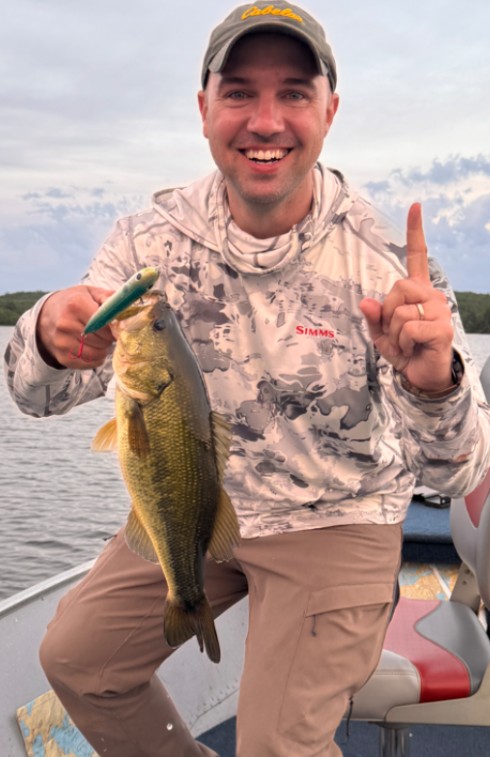
The explosive strike of a fish hitting a topwater lure represents one of fishing's most exhilarating moments, combining visual spectacle with heart-pounding action that keeps anglers returning to the water season after season. Among the arsenal of surface baits available to today's fishermen, few lures command the respect and deliver the results of the legendary Heddon Super Spook.
"Every fisherman loves to see, hear, and feel their topwater bait get smashed," shared one enthusiastic angler, capturing the essence of what makes surface fishing so addictive. The Heddon Super Spook has earned its reputation through decades of proven performance, consistently fooling species ranging from largemouth bass to stripers and even saltwater predators.
"Every fisherman loves to see, hear, and feel their topwater bait get smashed,"


Race Results
The lure's effectiveness stems from its uncanny ability to mimic a wounded baitfish struggling on the surface. This realistic presentation triggers the predatory instincts of fish, often resulting in the aggressive reaction strikes that make topwater fishing so memorable. "It is a thrill to see the reaction strikes annihilating the bait," explained a seasoned fisherman, emphasizing the visual excitement that sets surface fishing apart from other techniques.
"It is a thrill to see the reaction strikes annihilating the bait,"
Designed primarily for open water applications, the Heddon Spook performs exceptionally well when worked near cover or along weed lines. Its treble hook configuration is optimized for these environments, providing solid hooksets while maintaining the lure's distinctive action that has made it a staple in tackle boxes worldwide.

The foundation of successful Spook fishing lies in mastering the legendary "walk-the-dog" retrieve, a technique that transforms the simple cigar-shaped lure into a lifelike imitation of distressed prey. Veteran tournament angler Lee Currier from Tennessee underscores the importance of perfecting this fundamental skill, though he emphasizes that versatility remains key to consistent success.
"walk-the-dog"
"There are multiple retrieves that can trigger strikes depending on conditions," Currier noted, highlighting how adaptability can make the difference between a successful outing and a frustrating day on the water. When fishing larger bodies of water, experienced anglers know that different retrieval methods often vary in effectiveness from hour to hour, requiring constant adjustment and experimentation.
"There are multiple retrieves that can trigger strikes depending on conditions,"
The traditional walk-the-dog technique requires precise coordination between rod movement and line management. "The trick is putting slack in your line after each twitch of the rod to create that side-to-side 'dog walking' action," advised an experienced angler. The execution begins with casting the lure and allowing it to land with an attention-grabbing splash, followed by quick twitches combined with deliberate slack that allows the bait to dart erratically from side to side.
"The trick is putting slack in your line after each twitch of the rod to create that side-to-side 'dog walking' action,"
Successful practitioners maintain a steady reeling pace while continuing to twitch at their preferred rhythm, creating the mesmerizing side-to-side action that gives the technique its distinctive name. Equally important is persistence throughout the entire retrieve, as veteran anglers consistently emphasize: "Always fish the Spook all the way back to the boat. Many strikes happen right at the end of the retrieve."
Beyond the classic walk-the-dog presentation, innovative anglers have developed alternative techniques to handle varying conditions and fish moods. The J-stroke retrieve offers an intriguing variation that incorporates a splashy thrust often prompting immediate strikes from fish that might ignore more subtle presentations. This method involves sharp pulls followed by brief pauses, creating a different rhythm that can heighten interest among lurking predators.
The key to successful J-stroke fishing involves creating a sharp splash as the bait is pulled, followed by a strategic pause after making the distinctive J-turn motion. Critical to this technique's success is keeping the lure above water, as fish often show less interest in submerged Spooks. "Sometimes the fish just want something a little different," noted an angler who discovered this technique while fishing in the Northwoods.
"Sometimes the fish just want something a little different,"
As daylight fades and dusk approaches, the aggressive "Dougie" retrieve becomes an invaluable tool for targeting bass during their most active feeding periods. This method involves consistent reeling and twitching to create an enticing wake across the surface, providing fish with a clear target as visibility decreases.
"Dougie"
"The clear surface path helps fish zero in as light fades," remarked one topwater expert, explaining how this technique capitalizes on bass hunting behavior during low-light conditions. The Dougie retrieve amplifies excitement by taking advantage of the predatory instincts that become heightened during these prime feeding windows.
"The clear surface path helps fish zero in as light fades,"
Whether using the classic Heddon Super Spook, its junior variant, or saltwater versions, these lures provide an exhilarating way to target fish across diverse environments. The combination of explosive strikes and the anticipation associated with each retrieve makes the Spook an essential component of any serious angler's tackle collection.
As one seasoned fisherman perfectly summarized the appeal of topwater fishing: "Nothing beats a calm evening, fishing top water, feeling like you own the lake." This sentiment captures the unique satisfaction that comes from mastering one of fishing's most visually exciting and technically demanding techniques.