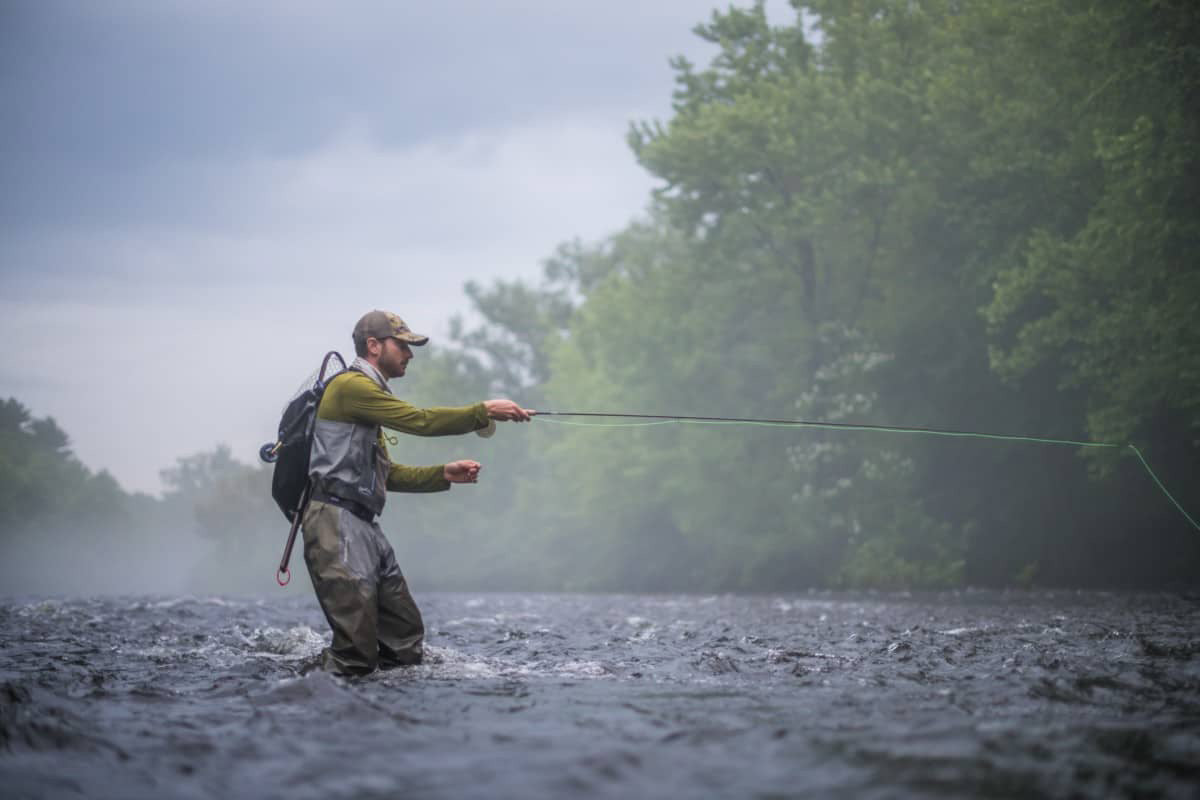
Trout fishing embodies more than just a pastime; it resembles an art form that combines skill, patience, and precision. One particularly effective method embraced by anglers is tight line fishing. Also referred to as Euro nymphing or Czech nymphing, this technique has gained traction for its remarkable ability to catch trout in diverse water conditions.
"Tight line fishing enables direct contact between the angler and the fly," said a representative from Eagle Fly Company, exploring the nuances of this fishing style. Unlike conventional fly fishing, where the line tends to drift downstream, tight line fishing keeps the line taut. This tautness allows for precise control and makes it easier to detect even the faintest bites.
"Tight line fishing enables direct contact between the angler and the fly,"

To excel in this method, having the proper equipment is crucial.

"We really like the Orvis Recon in 10' 2-wt or 3-wt, which is ideal for its sensitivity during strikes," said the same Eagle Fly Company representative. A lightweight [fly rod](/gear/fly-rod) with a fast action tip is essential, paired with a high-quality reel like the Hydros II Euro Reel from Orvis. "It features a full cage with tightened tolerances to eliminate line slippage," they added.
"We really like the Orvis Recon in 10' 2-wt or 3-wt, which is ideal for its sensitivity during strikes,"
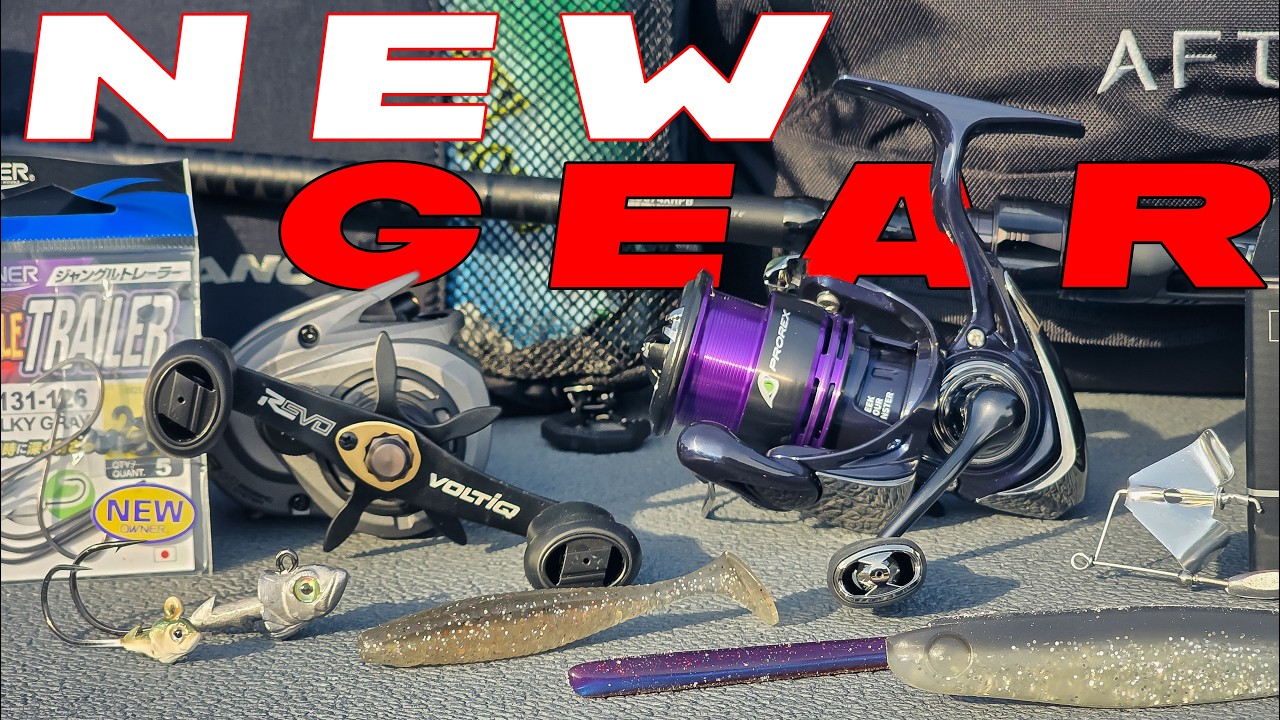
Nymph selection is another crucial aspect of tight line nymphing. Anglers should choose patterns that mimic the aquatic insects found in trout streams, such as "mayflies, caddisflies, and stoneflies," according to the representative. Employing beadhead nymphs that utilize tungsten or brass beads will help achieve the necessary depth quickly.
"mayflies, caddisflies, and stoneflies,"
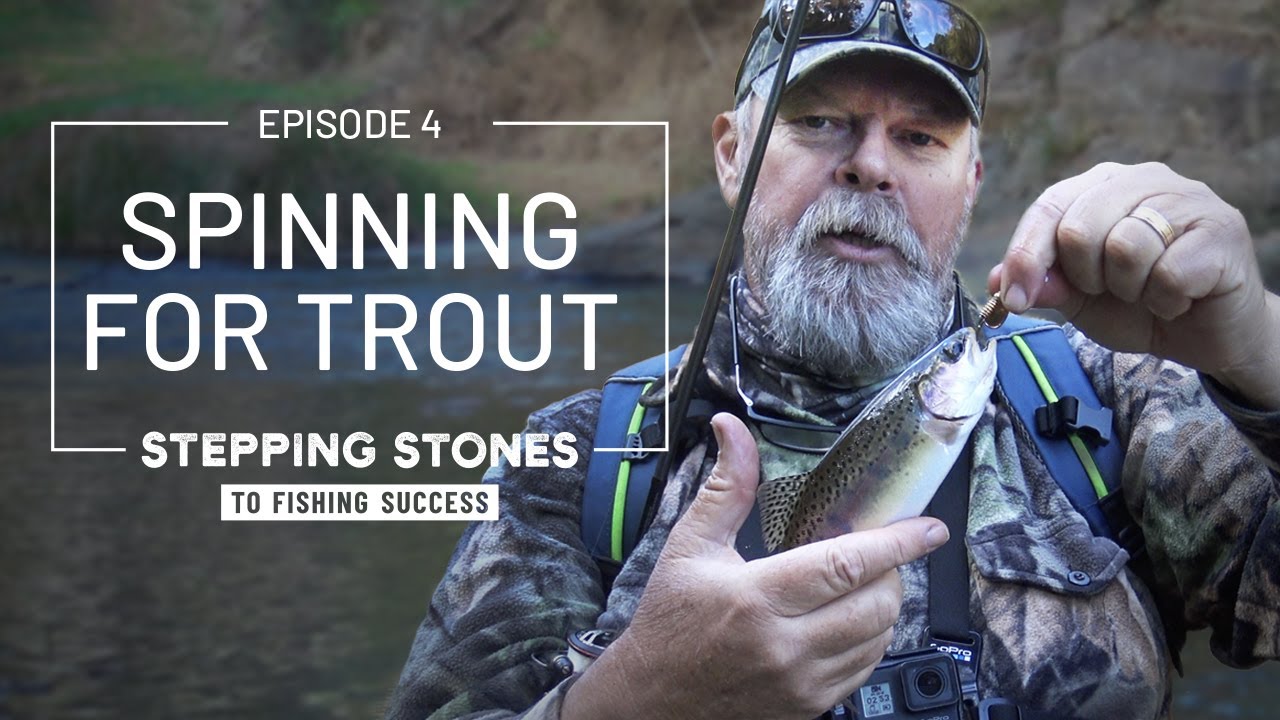
Moreover, the tippet serves as a vital component in this setup. "We prefer 6-8 feet of 4x, 5x, or 6x fluorocarbon tippet, renowned for its low visibility and abrasion resistance," explained the representative. Scientific Anglers offers a range of fluorocarbon tippets, praised for their sufficient capacities to prevent running out suddenly while also reducing waste.
"We prefer 6-8 feet of 4x, 5x, or 6x fluorocarbon tippet, renowned for its low visibility and abrasion resistance,"

**Adjusting Depth:** Anglers should experiment by varying the leader lengths and adding or removing split shot to adapt to different holding depths of trout. **Detecting Strikes:** According to experienced anglers, attentive observation is key. "Watch for subtle twitches, pauses, or deviations in the leader that indicate a fish has taken the fly," the representative advised. Developing a heightened sense of feel will help differentiate between bottom contact and an actual strike. **High-Sticking:** Keeping the rod tip elevated minimizes drag, maintaining direct contact with the fly. This facilitates quick entry into the strike zone while enhancing bite sensitivity. **Controlled Drift:** Establishing a tight connection between the rod tip and the fly allows for a natural drift along the current. Small twitches of the rod can significantly enhance the lifelike movement of the nymph.
"Watch for subtle twitches, pauses, or deviations in the leader that indicate a fish has taken the fly,"
"It's a marathon, not a sprint," the Eagle Fly Company representative noted, emphasizing the importance of patience in mastering tight line fishing. With a comprehensive understanding of aquatic ecosystems, flawless execution of tactics, and a commitment to continuous practice, anglers can expect improved success rates in trout fishing.
"It's a marathon, not a sprint,"
Career Journey
As excitement builds, it’s time to gear up and introduce oneself to the art of tight line nymphing. With the right techniques, patience, and a connection to the aquatic environment, river enthusiasts are sure to enjoy their fishing journeys.