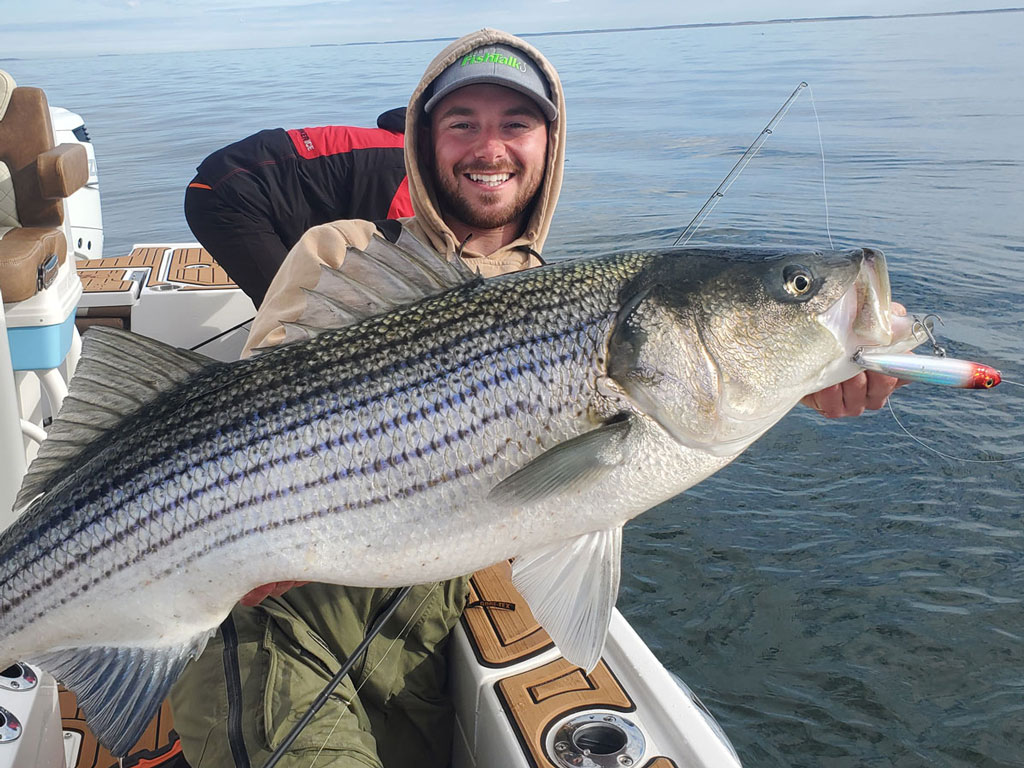
Topwater fishing captivates anglers with its thrilling surface strikes, making it one of the most adrenaline-fueled forms of fishing. To truly enjoy these electrifying experiences, mastering the technique known as "walking the dog" is essential for enthusiasts of the sport. This method not only attracts fish but creates an exhilarating battle between angler and predator with each strike. For anyone eager to improve their topwater fishing game, understanding the nuances of this technique is crucial.
"walking the dog"
When it comes to choosing the right topwater lures, it's important to understand their various types. "Topwater lures can be broken down into floating stick baits, poppers and chuggers, and prop baits," said Lenny Rudow, a fishing expert. Each of these lures serves a specific purpose depending on the fishing conditions.

"Topwater lures can be broken down into floating stick baits, poppers and chuggers, and prop baits,"

For anglers facing choppy waters, poppers or chuggers are often preferred. Their ability to make noise helps attract fish even in turbulent environments. Rudow elaborates, "If it’s rough out and there are lots of waves, most anglers reach for poppers and chuggers since they can call in fish from afar."
Career Journey
Career Journey
Career Journey
On the other hand, prop baits are user-friendly and create their own fish-attracting action, making them ideal for beginners. However, in calmer conditions—especially during early morning or late evening when light levels are low—nothing beats the effectiveness of a lure that zig-zags across the water's surface through the walking the dog technique. "Only spooks provide the ideal zig-zag!" Rudow remarked, indicating the unique ability of these lures to mimic injured prey.
When selecting a lure, it's vital to consider size, weight, and color. For size, matching the lure to the prevalent bait fish is crucial. Lures come in various sizes, generally sized between 3 and 8 inches, but keep in mind that larger does not always equal heavier. Rudow advised, "Having a bit more heft in a plug means you can sling it farther, but lighter spooks tend to be easier to walk with the ideal zig-zagging motion."
Race Results
Race Results
Color also plays a key role in lure effectiveness. Common choices include white, chartreuse, clear, and black for low-light situations. According to Rudow, "In most cases, those fancy finishes and color patterns on the lure’s sides and back are irrelevant because the fish is looking up from below and only sees the bottom of the lure.” This insight speaks to the design principle behind many lures: they are often crafted to catch the angler's eye as much as that of the fish.
To successfully walk the dog, a rhythmic bobbing of the rod tip is necessary. Begin by casting your lure and allowing it to settle before reeling in slack. "Now, keep the rod tip low... while sweeping it back a foot or two… and begin to crank on the reel," Rudow explained. With each sweep of the rod, the lure will shift from side to side, creating the signature zig-zag motion.
Steady retrievement is the goal, but it requires practice to perfect. "At first, you’ll likely get a few zigs and a couple of zags. But... when you get the ideal mix of all these factors, the lure will zig-zag from the moment you begin retrieving it to the moment you lift it out of the water — or a fish attacks," Rudow noted, emphasizing the importance of balance in technique.
For those looking to refine their walking the dog technique, a few advanced tips can significantly improve success rates. Even if your attempts don’t look perfect initially, persistence is key. Lenny Rudow advises, "Learning how to walk the dog takes practice. But the more you try it, the better you’ll get."
Specifically, using a rod with medium or slow action is highly advantageous for mastering this technique. It adds an extra spring to the motion, thereby enhancing the lure's movement. Persistence, adaptation, and a solid understanding of the equipment can all contribute to enhancing one’s fishing experience.
In summary, topwater fishing and the art of walking the dog represent thrilling aspects of angling. With practice, patience, and the right equipment, both novice and seasoned anglers can harness this technique to lure in a variety of species. As with any skill, time on the water is essential, helping to improve both effectiveness and enjoyment of this exciting fishing method.