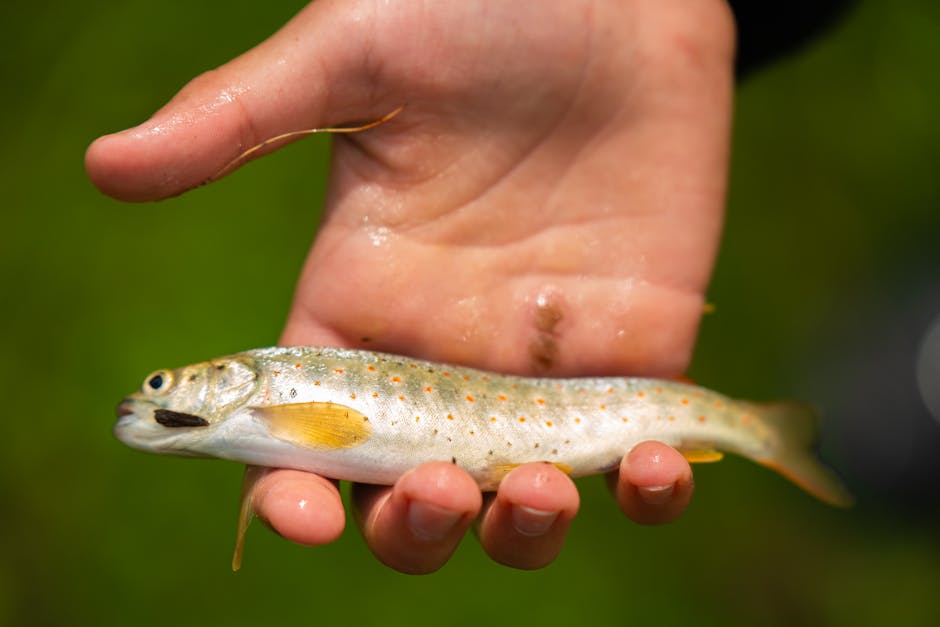
Setting up trout beads for fly fishing is a straightforward yet highly efficient method to catch these elusive fish. By positioning a bead about 1.5 to 2 inches above a bare hook on your leader, you can simulate a loose trout or salmon egg drifting in the water. Many anglers agree that this technique can often outperform traditional flies, especially during spawning seasons. "As a guide who has spent two decades on rivers from Alaska to the Great Lakes, I’ve seen this technique out-fish traditional flies time and time again," said a seasoned fishing expert sharing insights on the advantages of using trout beads.
"As a guide who has spent two decades on rivers from Alaska to the Great Lakes, I’ve seen this technique out-fish traditional flies time and time again,"
Understanding the mechanics behind trout beads is essential before embarking on this fishing journey. These beads are not mere plastic pieces; they serve as precise imitations that tap into a trout's natural feeding instincts. A trout bead rig mimics a single loose fish egg. During spawning seasons for salmon, steelhead, or other trout species, numerous eggs get dislodged and drift downstream, creating a prime feeding opportunity for hungry trout. "They’ll position themselves downstream from spawning beds and gorge on these ‘freebies’,” said the expert, emphasizing the bait's effectiveness.


Race Results
The realism of the rig is what truly sets it apart. Unlike fuzzy yarn flies, hard beads closely replicate the size, shape, and translucency of actual fish eggs. The bead slides on the leader and is kept in place with a peg. As a trout takes the bead, the line tightens with its movement, allowing the bare hook to naturally slide into the corner of its mouth. "This results in a clean, ethical hookup and a very natural presentation," asserted the expert, highlighting the benefits of this fishing method.
"This results in a clean, ethical hookup and a very natural presentation,"
Race Results
A common debate among anglers is whether to choose hard or soft beads. "For the classic pegging setup we’re discussing, hard beads are the standard," noted a renowned fishing analyst. To clarify the differences, one can look at durability, realism, and rigging methods. Here’s a quick comparison: Hard beads, made of plastic or glass, are pegged above the hook and offer great visual match, while soft beads are often threaded onto the hook or pegged and bring a different feel and scent advantage.
"For the classic pegging setup we’re discussing, hard beads are the standard,"


The legal implications of bead fishing also deserve attention, especially for those fishing in restricted areas. "A pegged bead setup is generally considered an artificial lure, but regulations can vary,” explained a fishing regulations specialist. The key distinction usually lies between a fish attempting to eat the bead versus the hook itself. To ensure compliance, it is crucial that anglers understand the specifications set by local wildlife authorities. "Always check the specific regulations for the body of water you plan to fish," the specialist advised, emphasizing the importance of legal fishing practices.
"Always check the specific regulations for the body of water you plan to fish,"
Equipped with this foundational knowledge, anglers can now learn the step-by-step process of rigging a trout bead. "Let’s get to the fun part: building the rig," said the expert, eager to guide enthusiasts through this hands-on experience.
"Let’s get to the fun part: building the rig,"
The initial step in rigging involves selecting the perfect bead. Matching the bead to the prevailing conditions and the type of fish you are targeting is crucial. "In bead fishing, the hatch refers to the spawn, so your bead should replicate the eggs currently drifting in your specific river system," the expert shared. Depending on the conditions, color choice is vital. Newly laid eggs typically appear vibrant, translucent orange or pink, while older, drifting eggs can be more paler or mottled.
"In bead fishing, the hatch refers to the spawn, so your bead should replicate the eggs currently drifting in your specific river system,"
Next, beads are typically measured in millimeters (mm) to ensure accurate sizing for the fish you aim to catch. The expert continued, "If you're fishing behind spawning sockeye salmon, you will need a different bead than if you're behind rainbow trout. Having a range of colors and sizes ensures that you can adapt to the various conditions and egg types present.
Ultimately, understanding how to effectively set up trout beads can transform any angler’s approach, particularly when tailored for the right time and situation. With attention to detail on size, color, and setup, anglers can significantly improve their fishing experience, making it a rewarding endeavor both on and off the water.