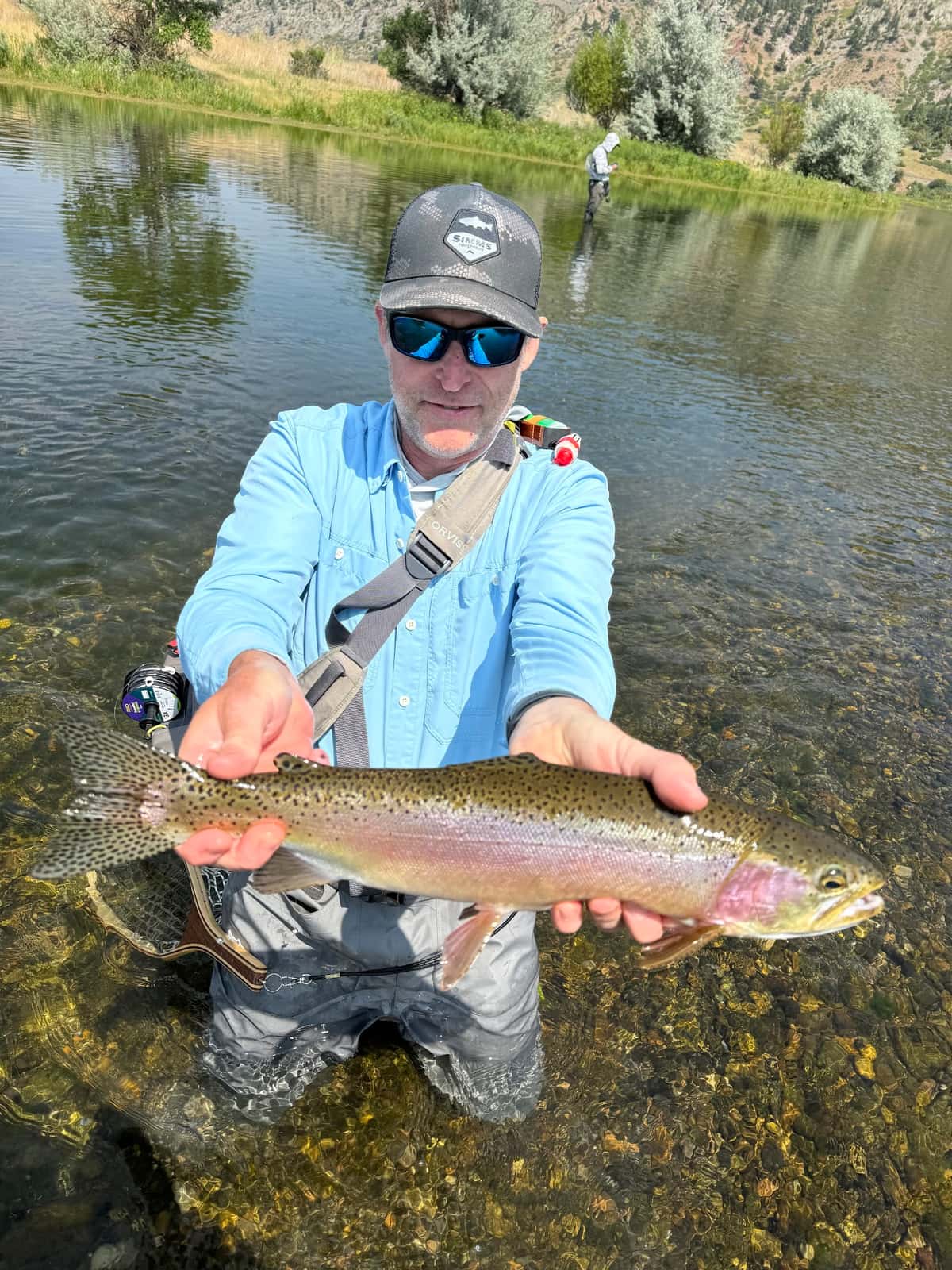
Hooking a trout might feel like a victory in itself, but it only marks the beginning of the challenge. Unique conditions such as turbulent waters and regulations involving barbless hooks necessitate strategic mechanics for a successful catch. “This is a critical aspect of fishing; every part of the process must be executed with precision,” said an experienced angler who has spent years mastering the skill. With insights gathered from numerous fishing trips and trials, this updated guide lays out the definitive steps—hook set, fight, net, and release—to ensure that every catch is more than just a fleeting moment.
In this guide, you will encounter straightforward checklists and visual aids aimed at transforming the process of landing trout from a series of uncertainties into second nature. “We want the act of landing fish to become muscle memory as opposed to a guessing game,” noted a fishing guide familiar with aquatic challenges.
**Understanding the Battle: Key Aspects of Trout Fishing**


One of the primary challenges when angling for trout is navigating the delicate art of landing fish with barbless hooks, where technique can spell the difference between success and disappointment. “There’s simply no room for error. The right hook set can change the entire game,” emphasized a fishing tournament winner. Key stages include the hook set, control, fight, netting, and release, and each must be executed with care.
**Stage 1: Sensible Hook Set Mechanics**
This first stage of landing trout focuses on how quickly one can identify a strike. “The instant you feel that bite, setting the hook immediately is critical. Any hesitation can lead to losing the fish,” warned a veteran fisher. Setting the rod downstream or sideways can help secure the hook firmly in the fish's mouth, reducing the risk of it slipping free.
In terms of rod motion, different setups come into play; quick wrist lifts are beneficial for short-line techniques while indicator rigs require a gentle sweep to gather slack. “It's all about maintaining efficiency and making the right moves,” added an instructor on fly fishing techniques.
**Stage 2: Establishing Control and Managing the Fight**
Current Season
Current Season
Current Season
Once the hook is set, establishing control over the fish is critical. A precise rod angle can turn a fish’s head, keeping it off balance. “Always aim for a 45° to 60° angle when applying side pressure. It helps to keep the fish stable,” a guide stated following a particularly fruitful fishing season. In fast currents, lowering the rod and utilizing the water’s momentum can help tire out larger fish.
Monitoring the drag and adjusting it according to the tippet strength is essential during this phase. “Set your drag to about 20% less than your tippet’s breaking strength,” suggested a fishing expert. Regular adjustments can make or break a successful landing, especially when combating strong runs by the trout.
**Footwork and Pressure Management: Techniques to Remember**
Good footwork is another often overlooked element of fishing. “You must stay mobile; reading the water can give you the upper hand,” reiterated an expert who frequently guides others in the sport. Maintaining constant tension on barbless hooks is vital as well—too much movement from the rod could lead to losing grip and ultimately, the fish.
Reeling efficiently while matching pressure is crucial for larger trout. “Lowering your hand down the cork provides better leverage,” noted an experienced fisherman. For smaller fish, striped approach works better, whereas for the bigger catches, strategic reeling is essential.
**Stage 3: The Art of Netting**
Once control is established, it’s time to net the fish. “Smooth and deliberate actions when netting can significantly improve your odds,” claimed a seasoned fishing guide. Instead of abruptly slamming the net upwards, submerging it and sweeping gently into the catch creates a safer transition.
The ideal approach depends on your proximity to the fish; when netting near your feet, lower your rod tip upstream and guide the trout with care to coax it into the net’s opening. “This way, you’re minimizing stress on the fish,” emphasized an environmental biologist passionate about sustainable fishing.
**Final Touch: Safe and Quick Release**
With the goal of keeping fish healthy, a quick release is paramount. “Now, more than ever, fish need careful attention during release, especially in warm waters,” a wildlife conservationist pointed out. Ideally, the time for release should be under 20 seconds in cooler waters while in warmer settings, it should be immediate.
In conclusion, this comprehensive guide emphasizes the distinct steps and strategies necessary for successfully landing trout. As the fishing enthusiasts of today continue to navigate changing conditions, the importance of adapting techniques and mastering fundamentals remains vital. Whether you are an experienced angler or just starting, these insights can transform your fishing experience immensely.