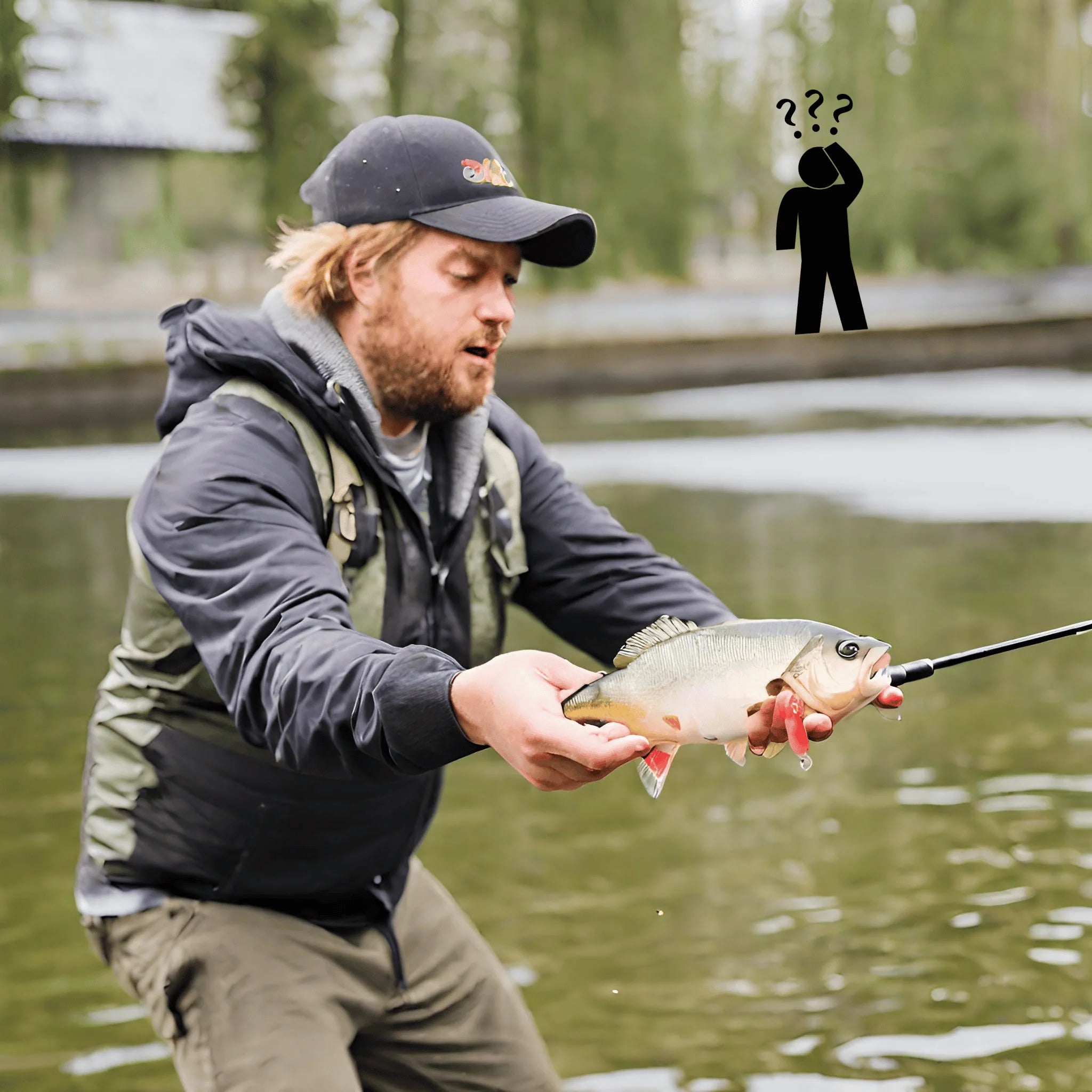
As winter settles in the UK, the challenge of perch fishing in cold waters becomes a test of patience and technique. Warmer days have faded, requiring anglers to adapt their strategies. "In cold weather, fish move less and eat less. This makes catching them harder unless you rise to the challenge," stated a veteran angler.
Particularly during this season, the location becomes crucial. Perch, known as the resilient soldiers of the UK waterways, can be found in various bodies of freshwater including canals, ponds, and rivers. "Look for structures like bridges, weeds, and moored boats where perch like to hide while waiting for prey to swim by," advised an expert fisherman. These features often serve as hiding spots, making them prime locations for targeting these predatory fish.
"Look for structures like bridges, weeds, and moored boats where perch like to hide while waiting for prey to swim by,"

As the temperature drops, it is common for perch to seek out the warmest areas in the water. "Don’t feel deflated if your summer swims aren’t producing. The fish often relocate to different areas as the water chills down," noted another angler. In cooler months, perch tend to stay near the bottom in deeper spots but may venture into shallower margins during mid-afternoon when the sun warms the waters.

Timing can make a significant difference on winter fishing days. "Instead of fishing at dawn, try closer to midday when there is peak sunlight and the water temperature rises," said a seasoned observer. This adjustment can lead to more opportunities as fish become more active.
"Instead of fishing at dawn, try closer to midday when there is peak sunlight and the water temperature rises,"
Understanding the dynamics of perch populations is also vital. Smaller perch can act as bait for larger specimens, meaning if you’re consistently catching smaller ones, it might indicate that bigger fish are not around. "If you are catching smaller perch, it may be unlikely that larger specimens are nearby," explained an experienced fisher.
"If you are catching smaller perch, it may be unlikely that larger specimens are nearby,"
Mobility can prove advantageous in winter sessions. "When temperatures drop, my fishing sessions tend to get shorter. I like to try new spots and travel around until I locate some fish willing to bite," shared a dedicated angler who always keeps a rod in the car for unexpected opportunities to fish.
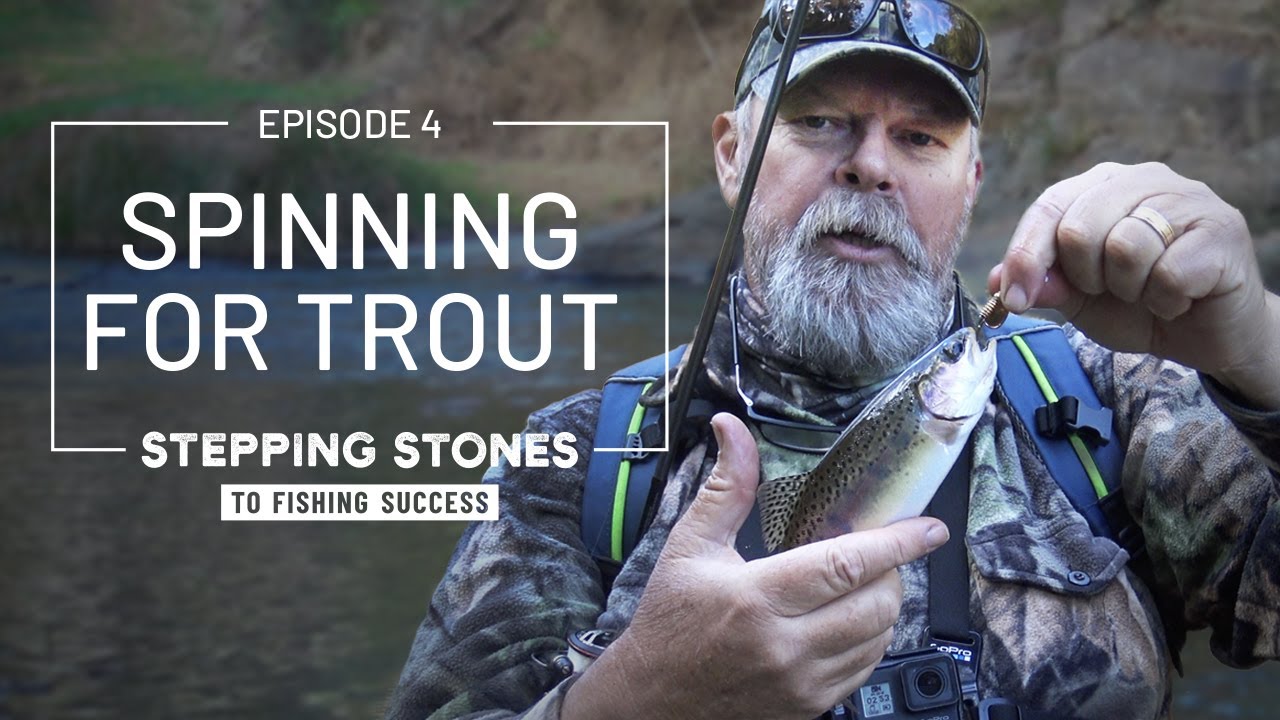
Searching for fish in new waters requires a strategic approach. "Using something like a small spinner can be ideal. You can cover different depths, and it tends to attract all types of species," recommended a fishing expert. Anglers should cast out and fan their efforts across different spots while assessing depth and obstacles, moving on if a location proves unfruitful.
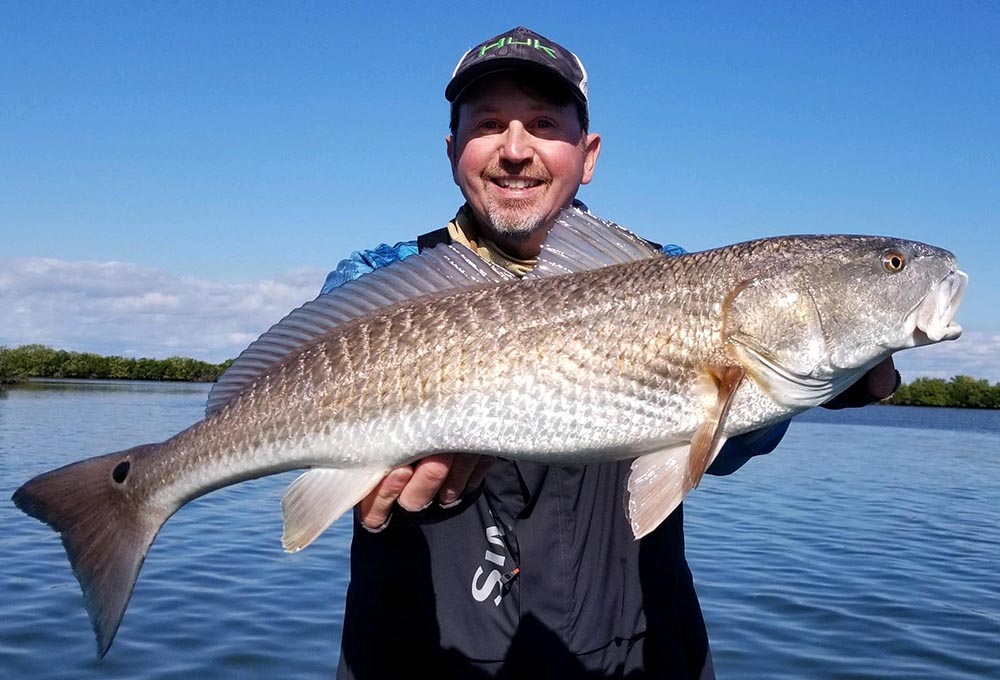
"Size isn’t everything. Pulling out an average-sized fish with an ultra-light setup can still provide excitement," one angler remarked, emphasizing the importance of finding productive spots over solely pursuing larger fish.
Race Results
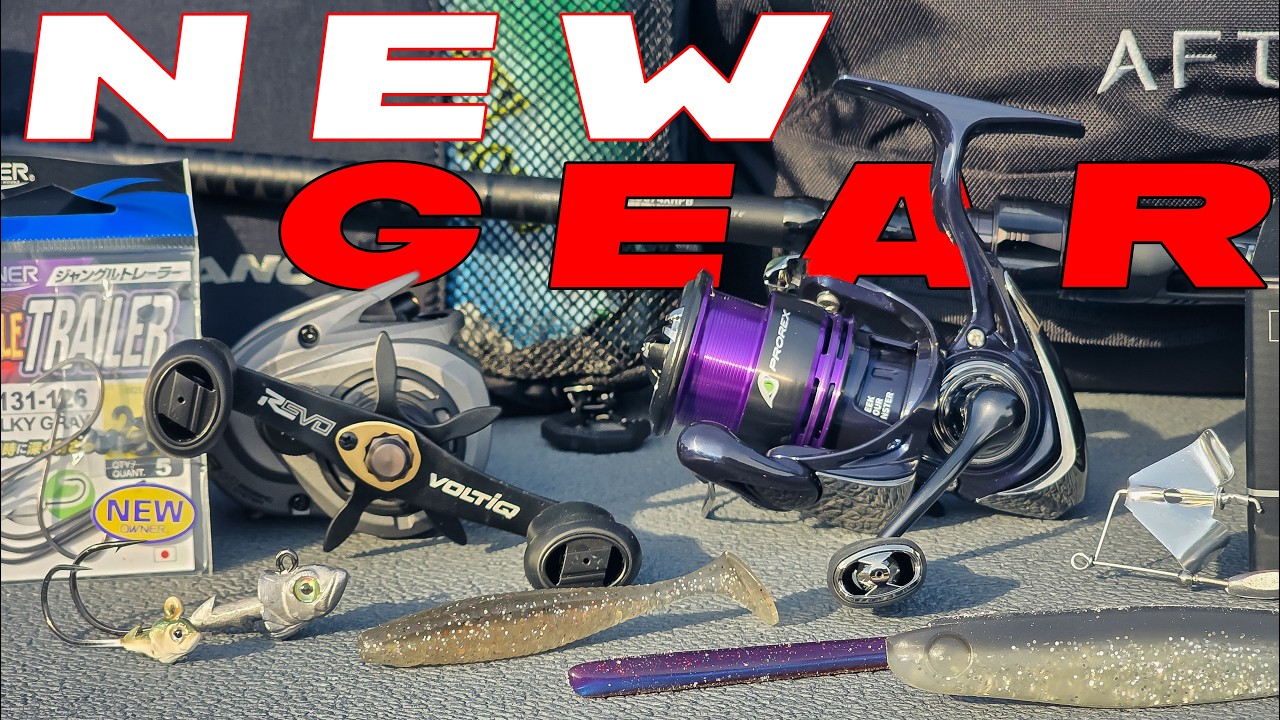
When gearing up for perch fishing in winter, the focus should be on lighter lures and lines coupled with a slower presentation. One angler reminisced, "I caught my first perch on a jig with a 12ft carp rod and 10lb mono line. Far from ideal, but it worked!" While specialized equipment can enhance your experience, starting with basic gear can yield solid results.
Essentially, a lightweight setup that allows for prolonged casting is advisable. "It’s better to begin with what you have and then invest in more specialized gear as your needs become clearer," suggested a strategist in the field, urging new anglers to explore second-hand marketplaces for budget-friendly options.
"It’s better to begin with what you have and then invest in more specialized gear as your needs become clearer,"
For beginners, a versatile spinning rod between 6.5ft to 7.5ft with a casting weight of around 3-10g can serve well across various fishing scenarios. Balancing rod length and casting weight is essential, as longer rods can cast further while shorter rods are better for maneuverability. "A spinning reel sized 1000 to 2000 is adequate. Focus on a metal framed reel for durability as you gain experience," advised a knowledgeable source.
Additionally, bait caster reels, while not necessary for everyone, can significantly ease the casting experience. "They’re the Ferraris of the casting world, designed for efficiency," highlighted an aficionado, noting their advantages for one-handed operation and accuracy in avoiding obstacles.
"They’re the Ferraris of the casting world, designed for efficiency,"
Race Results
As anglers gear up for this winter’s perch fishing season, the combination of strategic location, adjusted timing, and appropriate gear can elevate the pursuit despite the colder conditions. The quest for perch continues, demonstrating that with the right tactics, winter fishing can still yield rewarding results.