Worms and nightcrawlers stand out as premier bait options in the world of freshwater fishing. Their universal appeal enables anglers targeting a range of species, from bass to trout, to enhance their chances of landing a catch. For those newer to the sport, successfully baiting a worm on a hook can be daunting, but it is crucial in maximizing your fishing experience.
"Worms and nightcrawlers are two of the most effective fishing baits on earth," shared Eric Matechak, a fishing expert and author. His detailed guide offers essential insights on effectively using these baits to ensure a successful fishing expedition.
"Worms and nightcrawlers are two of the most effective fishing baits on earth,"

To effectively bait a worm on a hook, follow these fundamental steps. First, anglers must select the appropriate hook for their target species. "A simple j-hook or bait hook will work great for most fish," noted Matechak. For certain species like catfish or carp, he advocates for using circle hooks, while larger species like largemouth bass benefit from specialized worm hooks.
"A simple j-hook or bait hook will work great for most fish,"

After choosing the hook, ensure it is properly tied onto your fishing line. Once that is accomplished, grab a lively worm or nightcrawler. To prepare the bait, insert the hook into the mid-section of the worm, pulling it through and repeating the process two to three times. It is crucial to let part of the worm dangle free, as this movement can catch a fish’s eye.
Additionally, anglers can use lead split shots or bobbers, which can be attached based on preference and target fish species. "Cast your bait where your target species lives," advised Matechak. This strategic placement is vital, as it enhances the likelihood of enticing those elusive fish.
"Cast your bait where your target species lives,"
The selection of the right hook size is also pivotal. Matechak emphasizes that for a variety of freshwater species, one should consider specific hook sizes to ensure the best performance. For instance, carp typically require a hook size from 3 to 1, while catfish may require sizes ranging from 2 to 6/0.
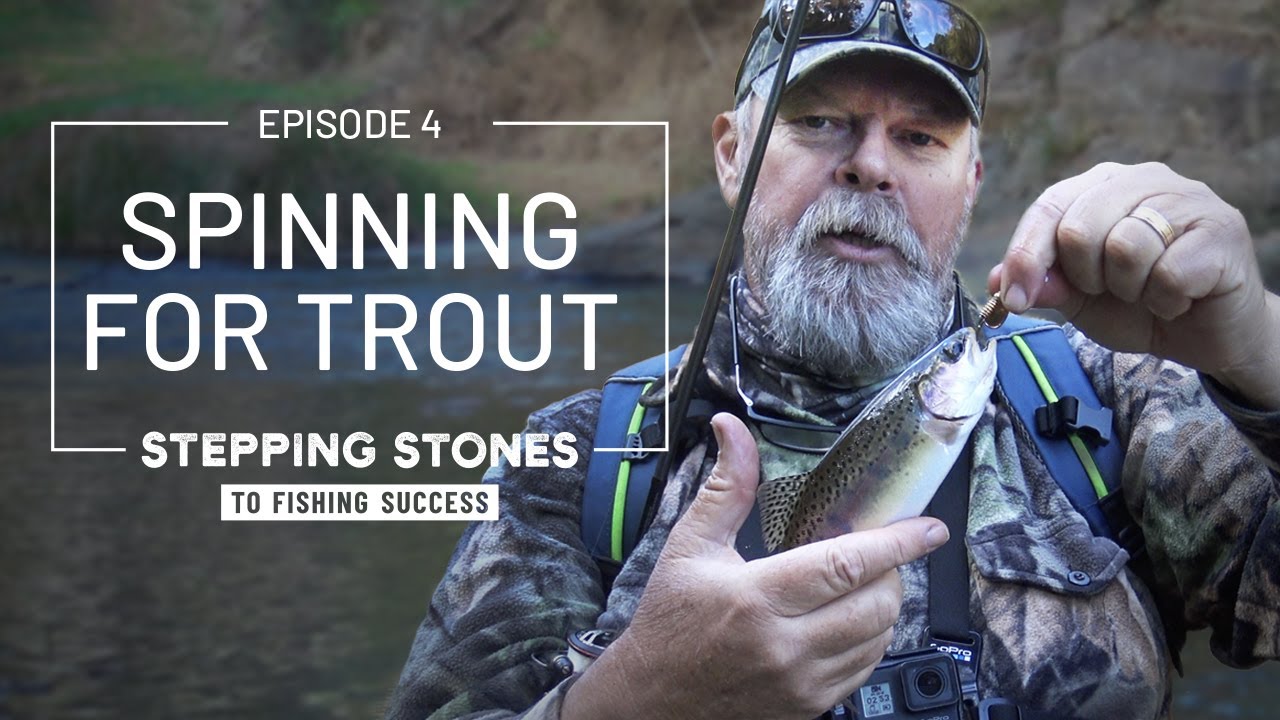
As prevalent in discussions about worms as bait, the technique can vary between different target species. When it comes to trout and panfish, their smaller mouths necessitate a careful approach to baiting. For trout, a half nightcrawler or a full red worm suffices. According to the guide, "For panfish, half a red worm and one-quarter of a nightcrawler would be ideal."

Matechak recommends quality hooks, specifically mentioning, "Gamakatsu baitholder hooks are premium-quality; they offer the needed flexibility while being sharp enough for any task." Ensuring you have the proper tackle sets the stage for success.
A secure knot is also fundamental. He suggests tying a clinch knot, noting, "Make sure the knot is secure by pulling on the hook to ensure it doesn’t slip through the eyelet of the hook. Snip off the 'tag-end' of the line from the knot." A strong attachment is critical when reeling in a catch.
Selecting worms for bait can add to the overall experience. Live nightcrawlers, for instance, can make an impressive presentation underwater. "If you are fishing for trout, break the nightcrawler in half or keep the red worm fully intact," Matechak stated, underscoring the adaptability of this baiting technique.
"If you are fishing for trout, break the nightcrawler in half or keep the red worm fully intact,"
This comprehensive approach to baiting worms not only enhances your technical skills but opens up new possibilities in the freshwater fishing arena. Anglers increasingly recognize the importance of fine-tuning their baiting methods to match the varying appetites of their target fish.
As the fishing community continues to evolve, so too do the techniques used to lure fish. With foundational techniques in hand, anglers can enjoy more fruitful fishing trips. Ultimately, understanding the art of baiting worms effectively provides a sense of accomplishment on the water and an enriched engagement with the sport.