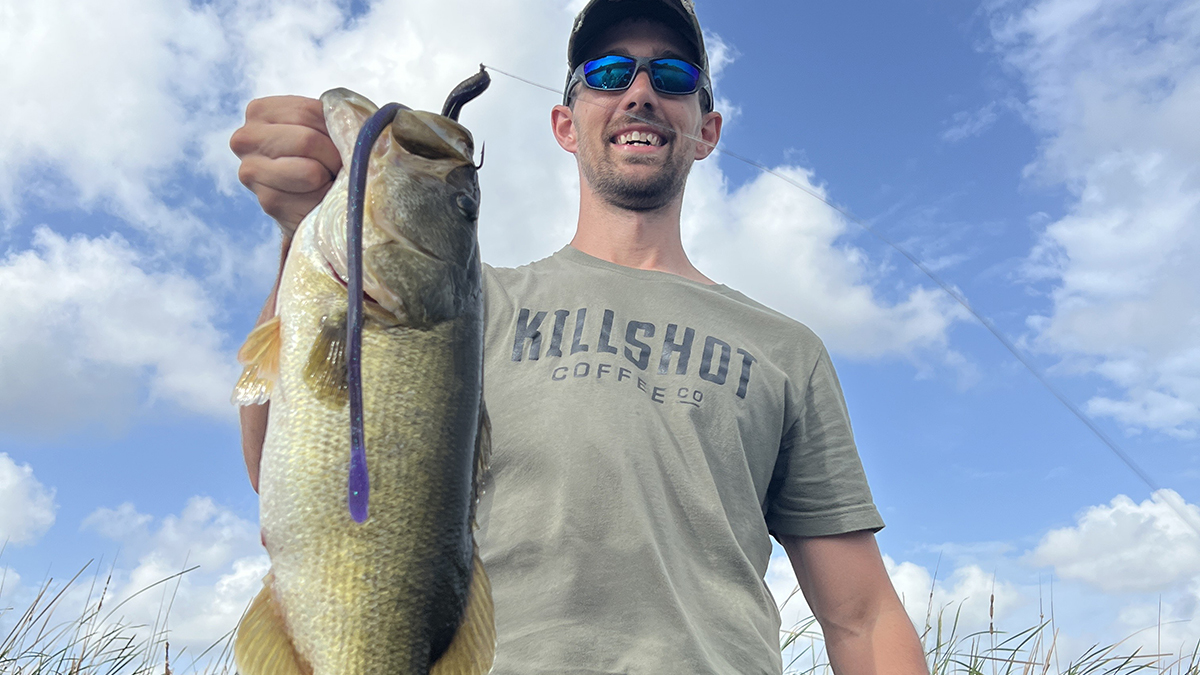
Bass fishing is an art that combines skill, patience, and an understanding of the fish's behavior throughout various seasons. As water temperatures shift and food availability fluctuates, knowing which lures to use can significantly enhance your angling success.
"The best lure is always the one that matches what bass are feeding on right now," remarked a fishing expert from Delong Lures. This adage holds true as each season brings unique challenges and opportunities for fishermen.
"The best lure is always the one that matches what bass are feeding on right now,"


Career Journey
Spring is a crucial phase where bass transition from a slower metabolism after winter to a more aggressive feeding pattern as temperatures rise. Early spring, particularly during the spawning season, is a time when bass actively seek to recover and fatten up.
Qualifying
Qualifying
Qualifying
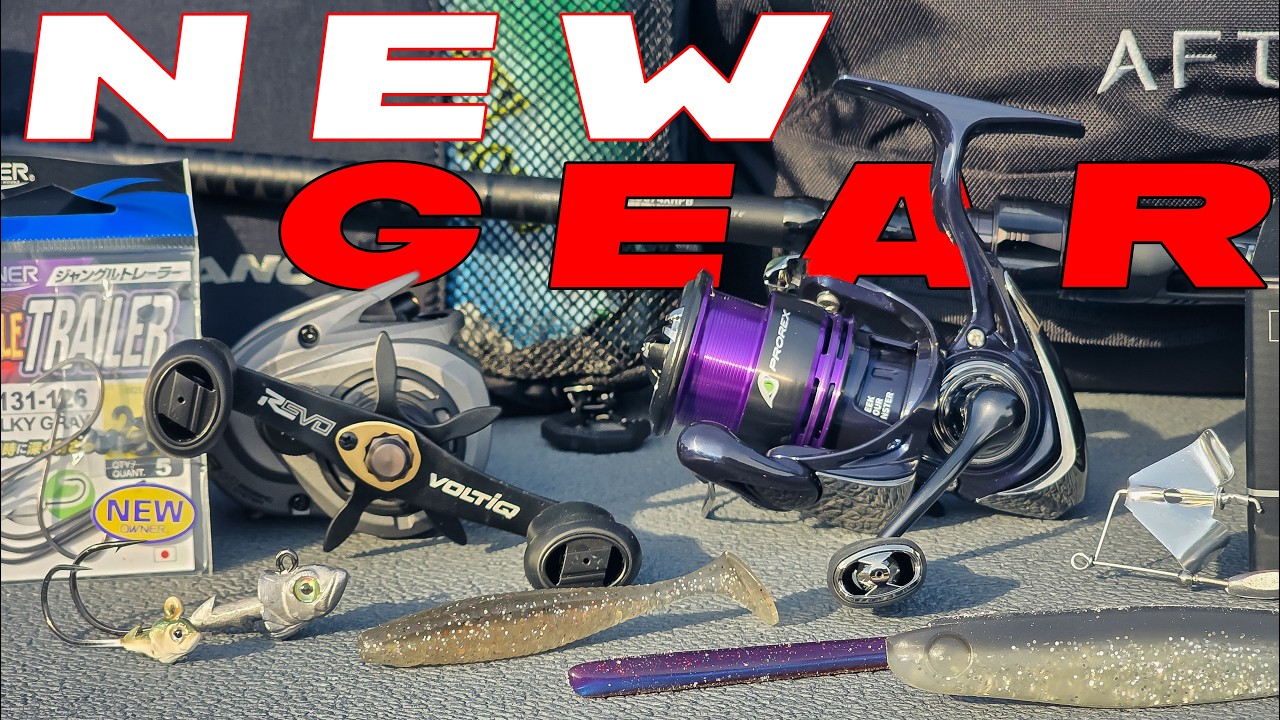
For this time of year, top lures include the Twister Tad, which imitates a real tadpole that bass actively consume. "You can slow hop and pause it along the bottom to trigger bites," shared a pro fisherman familiar with the effectiveness of this lure. Another option is the 16” snake lure, mimicking an easy meal for those preparing for spawning. Anglers have found success with slow bottom bouncing techniques to attract bass eager for a meal.
"You can slow hop and pause it along the bottom to trigger bites,"

Career Journey
As spring transitions to early summer, bass begin to focus on regaining their strength. They can often be found resting near shaded areas and vegetation edges. The 6” weedless worms become an essential lure due to their versatility and effectiveness as a "confidence bait," making it easy for anglers to present it via a slow Texas rig.
"confidence bait,"
Career Journey
"Presentation style matters more than shape during early summer," stated a seasoned tournament angler. Increasing the speed of your retrieve can lead to more aggressive strikes, especially with lures like the Bass Witch designed to create unique action in the water.
"Presentation style matters more than shape during early summer,"
Summer fishing often shifts the bass's feeding tactics towards ambushing prey and conserving energy. This is the time when topwater lures shine, opening the window for fish to strike at the surface. The weightless 16” snake can be worked through weedlines and pads with techniques involving gliding, stalling, and twitching to draw in hungry bass.
"The best bites often happen when the lure falls into openings in pads and grass," advised an angler familiar with the nuances of summer bass fishing. Lures like the Twin Tail can easily navigate through heavy vegetation, making them ideal for the summer landscape.
"The best bites often happen when the lure falls into openings in pads and grass,"
As the seasons change again, fall becomes the baitfish season, characterized by aggressive feeding as bass prepare for winter. During this time, anglers should consider lures such as the Twister Tail and Bass Bucktails, both of which facilitate quick coverage of water and elicit chase responses from the fish.
"Fall is really about searching for active fish," noted a fishing mentor. By initially using a bucktail to locate biting bass, you can then switch to options like the Squirm or XL Tadpole to effectively catch heavier fish.
"Fall is really about searching for active fish,"
In conclusion, adapting your lure choices and fishing techniques throughout the seasons can vastly improve your chances of a successful catch. Remember to track the behavior patterns of bass, from their spawning rituals in spring to their aggressive feeding in fall, and adjust your approach accordingly. Whether you’re a novice or a seasoned angler, this seasonal guide serves as a valuable tool for maximizing your bass fishing experience.