The art of spin fishing for trout represents one of angling's most accessible yet rewarding pursuits, offering both newcomers and seasoned fishermen a perfect blend of simplicity and skill. From the bustling activity of stocked streams during spring and fall seasons to the pristine challenge of wild trout waters year-round, this fishing method continues to captivate anglers with its straightforward approach and consistent results.
What sets spin fishing apart from other angling techniques is its refreshing minimalism. Unlike the gear-heavy approaches often required for species like bass or muskies, trout spin fishing embraces a less-is-more philosophy that appeals to purists and practical anglers alike.
"Most of the time, a few [lures](/gear/fishing-lure) in your vest pocket or a few hooks and weights are all you need to be successful," explains fishing expert Joe Cermele, highlighting the streamlined nature of this fishing style. However, this simplicity shouldn't be mistaken for ease – the real challenge lies in making informed decisions about lure selection based on ever-changing water conditions.

"Most of the time, a few lures in your vest pocket or a few hooks and weights are all you need to be successful,"

**The Foundation: Choosing the Right Equipment**
Success in spin fishing begins with proper gear selection, and this decision largely depends on the type of water being fished. For many trout enthusiasts, smaller wade-friendly streams represent the ideal fishing environment. These intimate waterways offer anglers the opportunity to target specific runs, holes, and pockets where trout typically hold.
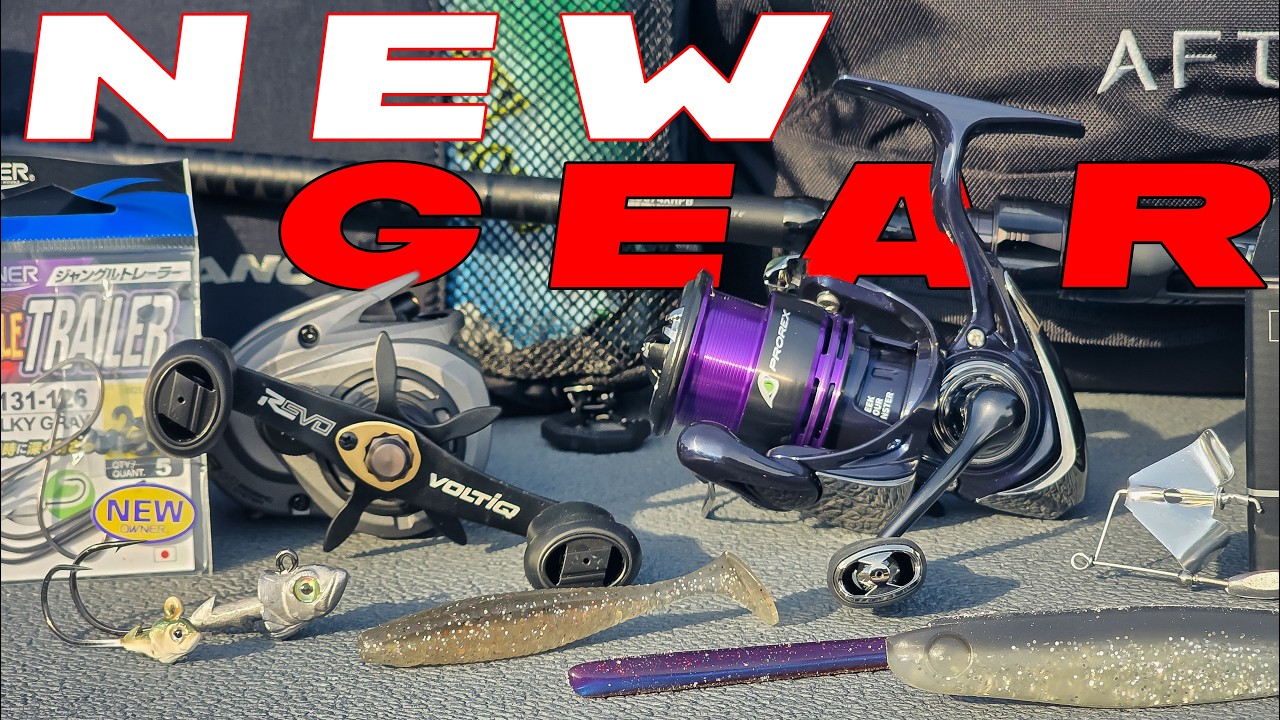
"For these reasons, a 5½- to 6½-foot light to ultra-light rod is ideal for spin fishing for trout," Cermele advises. The shorter rod length proves invaluable when navigating tight quarters, allowing anglers to maneuver effectively between overhanging branches and rocky outcroppings while maintaining the delicate touch needed to cast light lures such as in-line spinners or small jigs.
"For these reasons, a 5½- to 6½-foot light to ultra-light rod is ideal for spin fishing for trout,"
The choice of fishing line plays an equally crucial role in achieving casting accuracy and fish-fooling presentation. Cermele relies on a specific setup for his small-stream adventures: "I use 2- to 4-pound test fluorocarbon on all my small-stream outfits." This preference for fluorocarbon stems from its near-invisibility underwater, a characteristic that can prove decisive when targeting particularly wary trout in clear, shallow streams. While braided lines have gained popularity across many fishing applications, they don't offer the same stealth advantages crucial for stream trout success.
**Adapting to Bigger Waters**
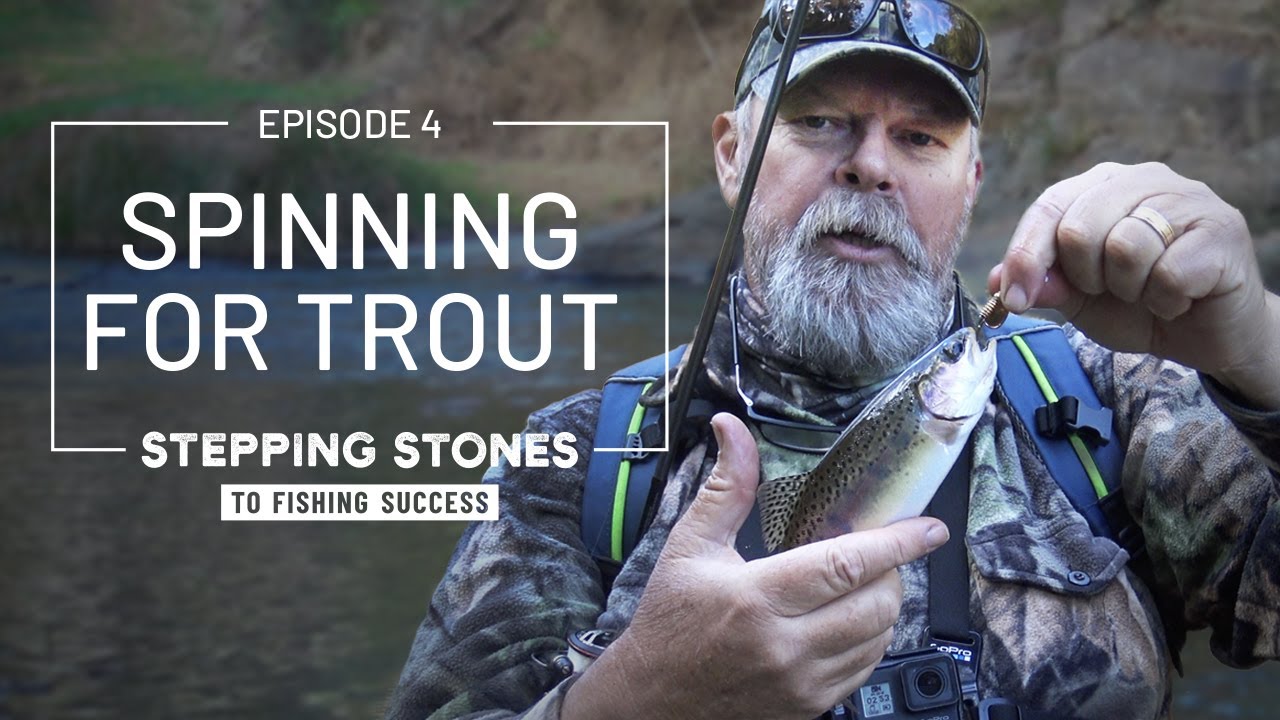
When the fishing venue shifts to larger lakes or expansive rivers – whether accessed by boat or fished from shore – gear requirements naturally evolve. Cermele recommends upgrading to a 7- to 7½-foot medium action spinning rod, paired with a mid-sized reel capable of providing the additional power needed to handle more aggressive fish and challenging conditions.
The increased rod length serves multiple purposes: it enables anglers to cover more water with each cast, provides better line control during retrieval, and offers the backbone necessary to fight larger fish that inhabit these bigger water bodies.
**Lure Selection: The Key to Consistent Success**
The world of trout lures offers numerous options, each with specific applications and advantages. Among the most enduring choices are inline spinners, which have maintained their popularity across generations of anglers. These versatile lures create flash and vibration that proves irresistible to trout across various water conditions.
Career Journey
"An early-season brown fooled by a Mepps Aglia spinner showcases how effective these lures can be," Cermele notes, illustrating the proven track record of these classic attractors.
"An early-season brown fooled by a Mepps Aglia spinner showcases how effective these lures can be,"
Beyond spinners, soft-plastic jigs and spoons represent other top-tier options in the trout angler's arsenal. Both lure types can create enticing presentations that trigger strikes from selective fish. The key lies in understanding how to rig and present these offerings effectively, adapting technique to match the feeding behavior of local trout populations.
For anglers who prefer natural bait presentations, traditional options remain highly effective. Garden worms, mealworms, dough baits, and salmon eggs each possess unique appeal to trout, with effectiveness varying based on water conditions, season, and local fish preferences.
"The right bait at the right time can be the difference between a day of fishing and a day of catching," Cermele emphasizes, underscoring the importance of matching bait selection to specific fishing scenarios.
"The right bait at the right time can be the difference between a day of fishing and a day of catching,"
**Professional Techniques for Maximum Success**
Beyond equipment and bait selection, refined technique separates successful anglers from those who struggle. Cermele shares key insights from years of experience: "Focus on presenting your bait or lure at the right depth, adjust your retrieval speed, and make note of water clarity."
This attention to detail extends to pattern recognition – understanding where trout are likely to feed during different times of day, recognizing how weather affects fish behavior, and adapting presentation accordingly. Such observational skills often prove more valuable than any single piece of equipment.
Career Journey
Spin fishing for trout ultimately represents a perfect marriage of art and science, demanding both technical knowledge and intuitive understanding. With proper gear selection, strategic thinking, and attention to detail, anglers at every skill level can experience the unique thrill of connecting with one of freshwater fishing's most prized species. The journey toward mastery remains filled with discovery, making each outing an opportunity for learning and enjoyment amid the scenic beauty of rivers and streams.