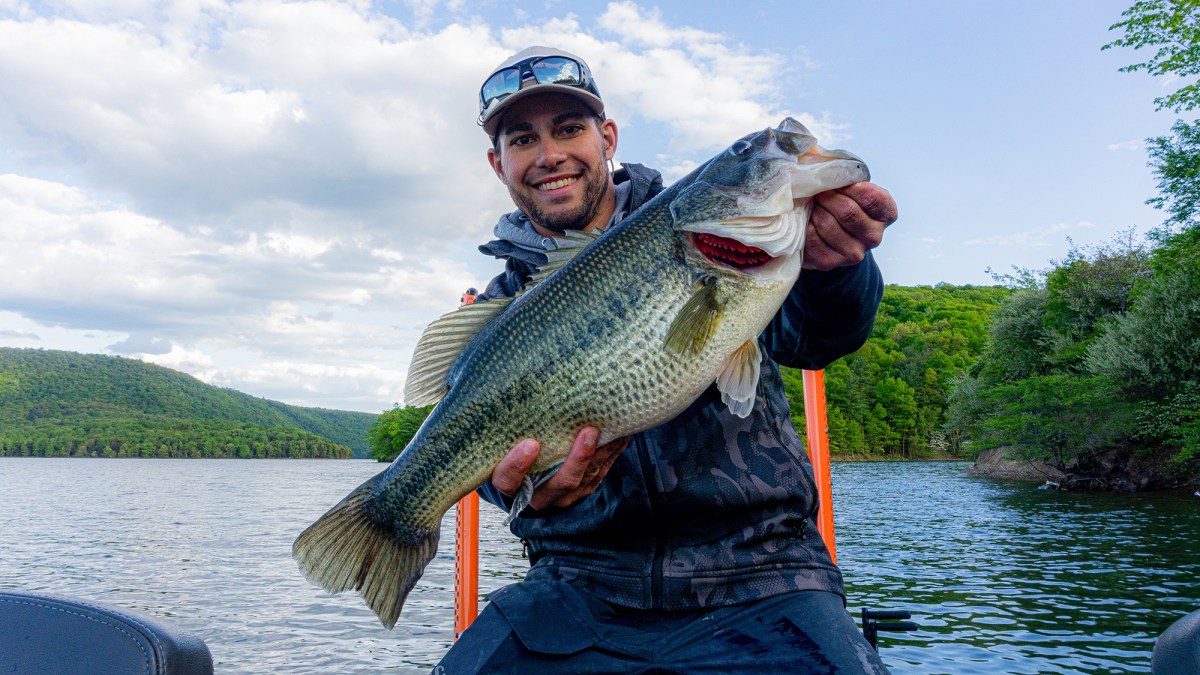
As the seasons change, spring emerges as the quintessential time for anglers aiming to catch the biggest bass of their lives. Not only do larger fish venture closer to shore during this period, but their biological cycles also play a significant role in their feeding patterns. "I catch my biggest bass of the year in spring," reflected veteran angler Derek Horner, emphasizing that many seasoned fishers recognize this seasonal trend.
"I catch my biggest bass of the year in spring,"
When looking at the behavioral patterns of bass in spring, it becomes clear why this season is so fruitful for anglers. Female bass, laden with eggs, migrate to warmer, shallower waters in search of spawning locations as the temperatures rise. "Those giant egg-filled bellies only grow larger as bass take advantage of the massive balls of baitfish that congregate as the ice melts," shared Horner, outlining the rich feeding opportunities available.

"Those giant egg-filled bellies only grow larger as bass take advantage of the massive balls of baitfish that congregate as the ice melts,"

Timing is critical when targeting these trophy fish. Horner advises that spring's variances in regional temperatures require a strategic approach rather than relying on a fixed schedule. "As the ice comes off the lake and the water begins to warm into the low 40’s, most of the bass are still going to be congregated in the large basins," he explained. Initially, as temperatures begin to rise, bass remain lethargic but gradually start to stir as the mercury inches up into the high 40’s or low 50’s.
"As the ice comes off the lake and the water begins to warm into the low 40’s, most of the bass are still going to be congregated in the large basins,"
A few weeks post-ice off, following warmer temperatures and intermittent rains, anglers should expect to observe some exciting changes. "The bass will begin to move out of their deep water winter haunts and begin staging on steep banks and bluff walls," noted Horner. This movement signals the onset of better fishing conditions, with a greater likelihood of landing larger bass.
"The bass will begin to move out of their deep water winter haunts and begin staging on steep banks and bluff walls,"
The signs of spring abound when the water temperatures transition into the mid to high 50’s. "You'll see dogwoods begin to bud, and you may even hear a turkey gobble in the distance," he added. Such natural indicators serve as clear references that anglers should prepare for a productive fishing experience.
"You'll see dogwoods begin to bud, and you may even hear a turkey gobble in the distance,"
As smaller male bass, often referred to as “buck” bass, start to beat the females to these spawning grounds, they create an opportunity for anglers. "The big females that are full of eggs and baitfish will be lurking nearby on the first drop-off, typically around structure," Horner pointed out. This insight is invaluable; it’s in these moments that anglers can truly benefit from their knowledge of bass behavior.
"The big females that are full of eggs and baitfish will be lurking nearby on the first drop-off, typically around structure,"
Understanding where to fish is equally critical in the spring. Horner advises that the biggest bass often occupy the first drop-off from very shallow water. "This can mean a lot of different depths depending on where you’re fishing," he said. Factors such as the topography of the lake or river can dramatically vary the depth at which anglers will find these large fish. In some areas, the depth could be as deep as 25 feet, while in others, it may only be around 5 feet.
"This can mean a lot of different depths depending on where you’re fishing,"
To assist anglers in pinpointing these vital locations, utilizing resources like the Navionics Web App is highly recommended. "I would focus on searching for structure and drop-offs where big bass are likely to gather," Horner mentioned, highlighting the importance of analytical tools for success in fishing.
"I would focus on searching for structure and drop-offs where big bass are likely to gather,"
By the Numbers
By the Numbers
By the Numbers
Ultimately, best practices during spring combine an understanding of fish behavior, patience, and strategic location assessment. By leveraging these insights, anglers can substantially increase their odds of landing the largest bass of their lives this season. As Horner aptly puts it, this magical time of year not only brings warmer temperatures but also encourages a variety of fishing experiences that can lead to record-breaking catches.
By the Numbers
By the Numbers
As we move further into spring, anglers should keep an eye out for the changing conditions and the presence of baitfish on the water. With the right preparation and knowledge, big bass awaits the determined fisherman, ensuring that this season is truly one for the record books.