
Choosing the right fishing lure can make the difference between a successful fishing trip and an unproductive one. The science behind fishing lures hinges on understanding how they attract various fish species. From visual cues to sound and movement, a thorough comprehension of lures can significantly enhance your fishing adventures.
"Fish rely heavily on their sense of sight to identify prey," said Catalin Stefan, a fishing enthusiast and expert. Brightly colored lures or those with reflective surfaces can mimic the appearance of natural baitfish, increasing your chances of a catch.
"Fish rely heavily on their sense of sight to identify prey,"


Movement is another critical factor. "The action of a lure—whether it’s wobbling, darting, or fluttering—can imitate the movements of fish in distress," explained Stefan. Fish are often drawn to lures that exhibit erratic movements that closely resemble their natural prey.
"The action of a lure—whether it’s wobbling, darting, or fluttering—can imitate the movements of fish in distress,"
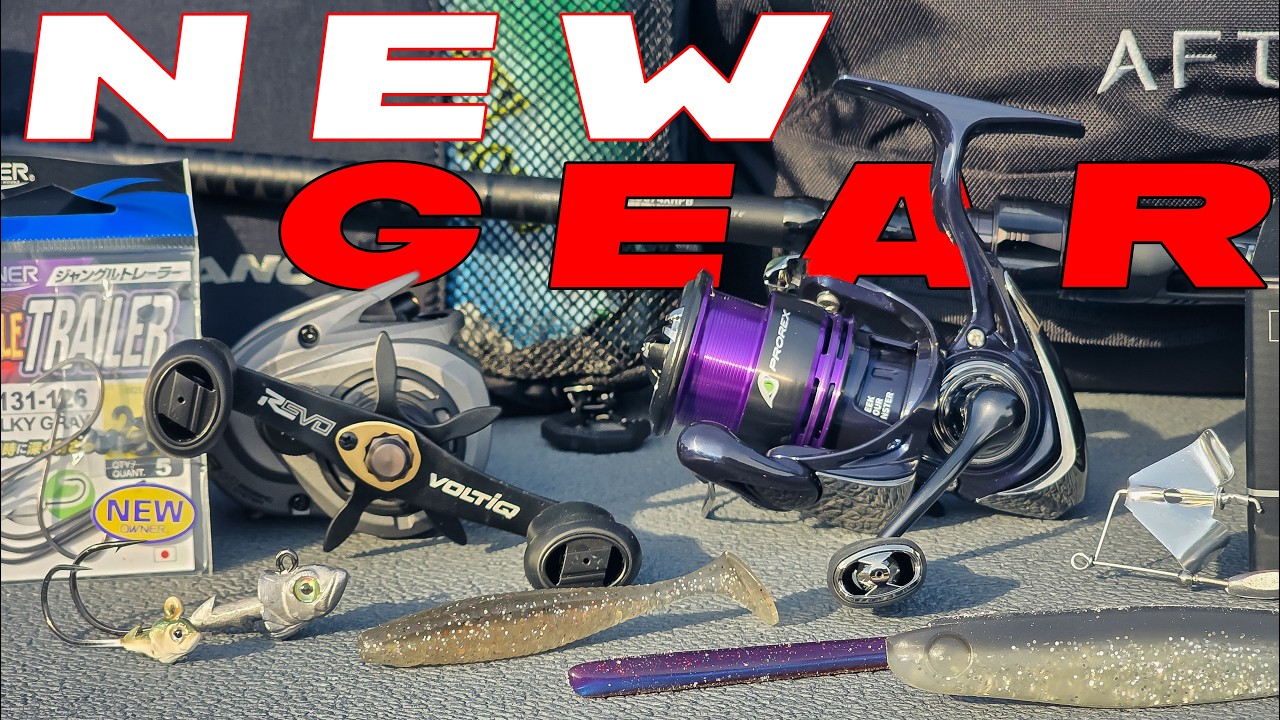
Additionally, sound and vibration play integral roles, particularly in murky waters. "Some lures produce sounds or vibrations that can attract fish, especially when visibility is low. These auditory signals can mimic a struggling prey or even the presence of a predator," Stefan noted.
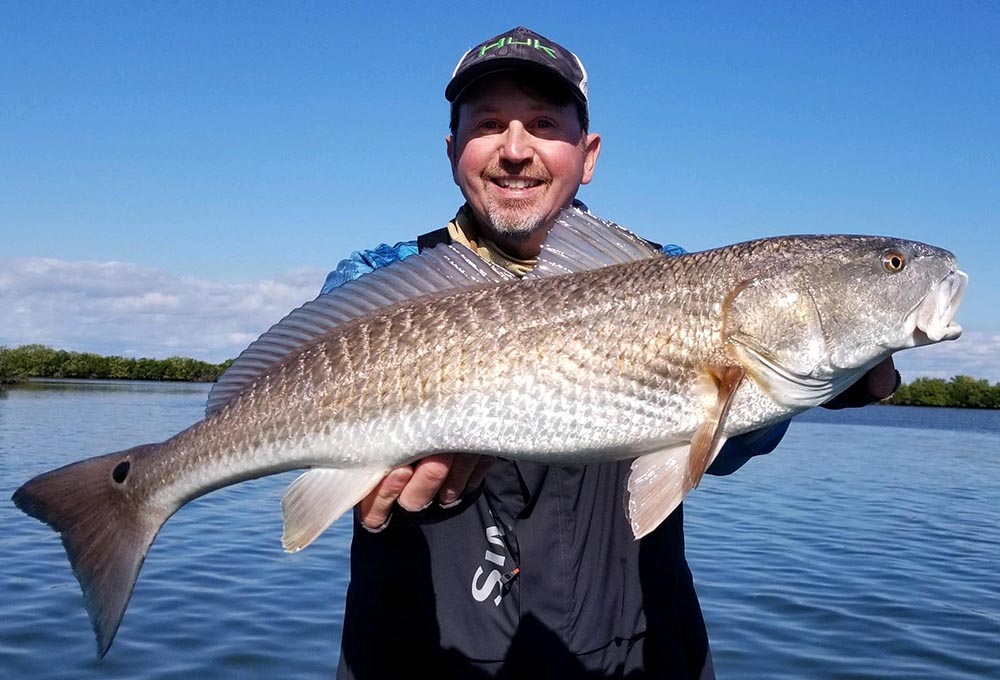
When selecting lures for specific fish species, certain tactics can pay dividends. For instance, when targeting bass, which include both largemouth and smallmouth varieties, consider using spinnerbaits. They are known for their flash and vibration, making them particularly effective in dimly lit waters or around cover. "Crankbaits are also advantageous for covering large areas swiftly, imitating fleeing baitfish to entice bass," added Stefan.
"Crankbaits are also advantageous for covering large areas swiftly, imitating fleeing baitfish to entice bass,"

Trout fisherman often find success with soft plastics and spoons. "Trout can be quite responsive to small jigs rigged with soft plastics, especially in moving water," said a local fishing guide. They recommend using small, shiny spinners, which take advantage of both movement and reflection to attract these fish.
"Trout can be quite responsive to small jigs rigged with soft plastics, especially in moving water,"
Salmon anglers, on the other hand, typically employ plug lures or flies. "These lures replicate the distressed movement of baitfish, making them appealing in both freshwater and saltwater settings," shared a seasoned salmon fisher. Larger spoons in vibrant colors are also effective, particularly in deeper waters.
"These lures replicate the distressed movement of baitfish, making them appealing in both freshwater and saltwater settings,"
Walleye fishing introduces a different set of requirements. "Spoons and medium-diving crankbaits excel in cold waters, especially when trolled slowly or jigged vertically, matching the depth where walleye feed," remarked a local expert. Jigs, often paired with live bait or soft plastic trailers, are known to work well, especially during cooler months.
"Spoons and medium-diving crankbaits excel in cold waters, especially when trolled slowly or jigged vertically, matching the depth where walleye feed,"
Race Results
Race Results
Race Results
For pike and muskie, lures that offer substantial flash and vibration, such as spinnerbaits and bucktails, are recommended. "Using large soft plastics that imitate bigger prey can also yield good results," explained a veteran pike fisherman, emphasizing the aggressive nature of these predators.
"Using large soft plastics that imitate bigger prey can also yield good results,"
Race Results
Among panfish, such as bluegill and crappie, smaller lures reign supreme. "Tiny worms or grubs rigged on small hooks work wonders for panfish, and little colorful spinners can entice them in both clear and stained waters," a local fishing expert advised.
"Tiny worms or grubs rigged on small hooks work wonders for panfish, and little colorful spinners can entice them in both clear and stained waters,"
"Using realistic movements and subtle patterns will help deceive wary fish,"
In contrast, "loud or vibrating lures with bright colors are crucial for success in murky or stained waters, making it easier for fish to locate them," offered an experienced angler. Cold water necessitates a shift in strategy as well, with fish often opting for smaller, slower-moving lures due to their lethargic state.
"loud or vibrating lures with bright colors are crucial for success in murky or stained waters, making it easier for fish to locate them,"
Conversely, during warmer months, larger lures can be beneficial as they match the size of more active prey. "Using erratically moving lures can heighten your chances of a strike in these warmer conditions," stated a weathered fishing guide.
"Using erratically moving lures can heighten your chances of a strike in these warmer conditions,"
Impact and Legacy
Finally, experimentation remains key in the art of fishing. "If you’re not getting bites, don’t hesitate to try different lures and adjust your techniques. Sometimes a small modification can make a significant impact on your results," urged Stefan. Observing fish behavior also provides invaluable insights into effective strategies.
As anglers delve into the intricate science of fishing lures, matching the right lure to specific fish species and adapting to water conditions is critical. By utilizing this knowledge, fishermen are better equipped to increase their success on the water, creating an enriching fishing experience.