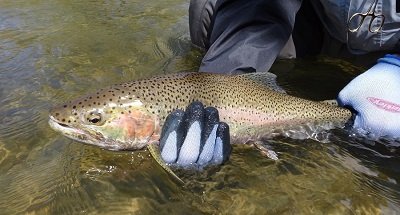
As spring arrives and temperatures begin to rise, experienced anglers across the country are preparing for what many consider the prime season for trout fishing. The combination of warming waters and increasingly active fish creates optimal conditions for landing impressive catches, but success often hinges on selecting the right equipment and techniques.
A veteran fishing guide with over two decades of experience guiding trout anglers has compiled insights from numerous professional guides to identify the most effective lures and strategies for spring trout fishing. The comprehensive analysis reveals that certain types of lures consistently outperform others during this crucial season.
"During this invigorating season, many of my largest trout have been caught using deep-diving and shallow-diving [crankbaits](/gear/crankbait), jigs, as well as [soft plastic](/gear/soft-plastic) lures," the experienced guide noted. The research indicates that spinners, spoons, and plugs such as Kwikfish and Flatfish dominate discussions among professional guides when it comes to spring trout fishing success.

"During this invigorating season, many of my largest trout have been caught using deep-diving and shallow-diving crankbaits, jigs, as well as soft plastic lures,"

The guide emphasizes an important distinction that often confuses recreational anglers. "To me, that's a real lure," he explains, referring specifically to artificial baits that require a casting action followed by a deliberate retrieve. This differentiates true lures from natural baits like worms, flies, or eggs that other fishing resources might recommend.
"To me, that's a real lure,"
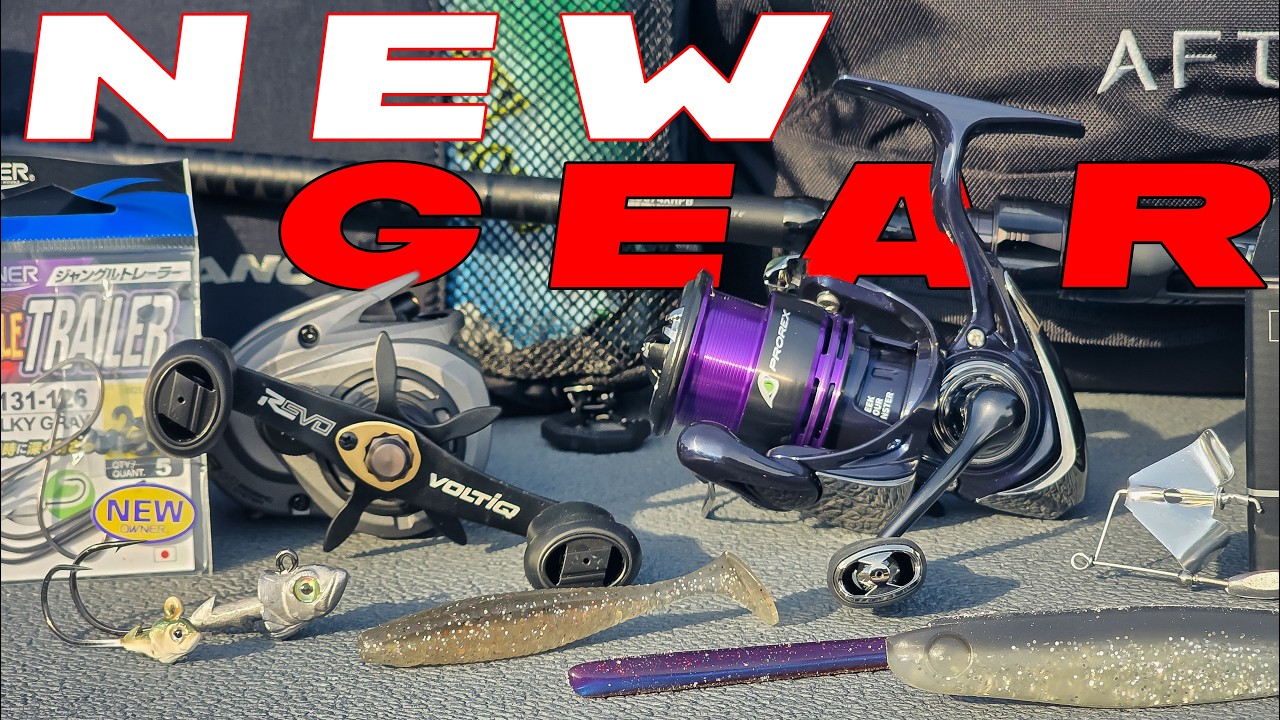
Color selection emerges as a critical factor that can make or break a fishing expedition. The effectiveness of lure colors shifts dramatically depending on water conditions and fish behavior patterns. "I have done very well on chartreuse lures on active trout and in dirty water," the guide observed, while noting that clearer waters typically respond better to darker or more natural-colored presentations.
"I have done very well on chartreuse lures on active trout and in dirty water,"
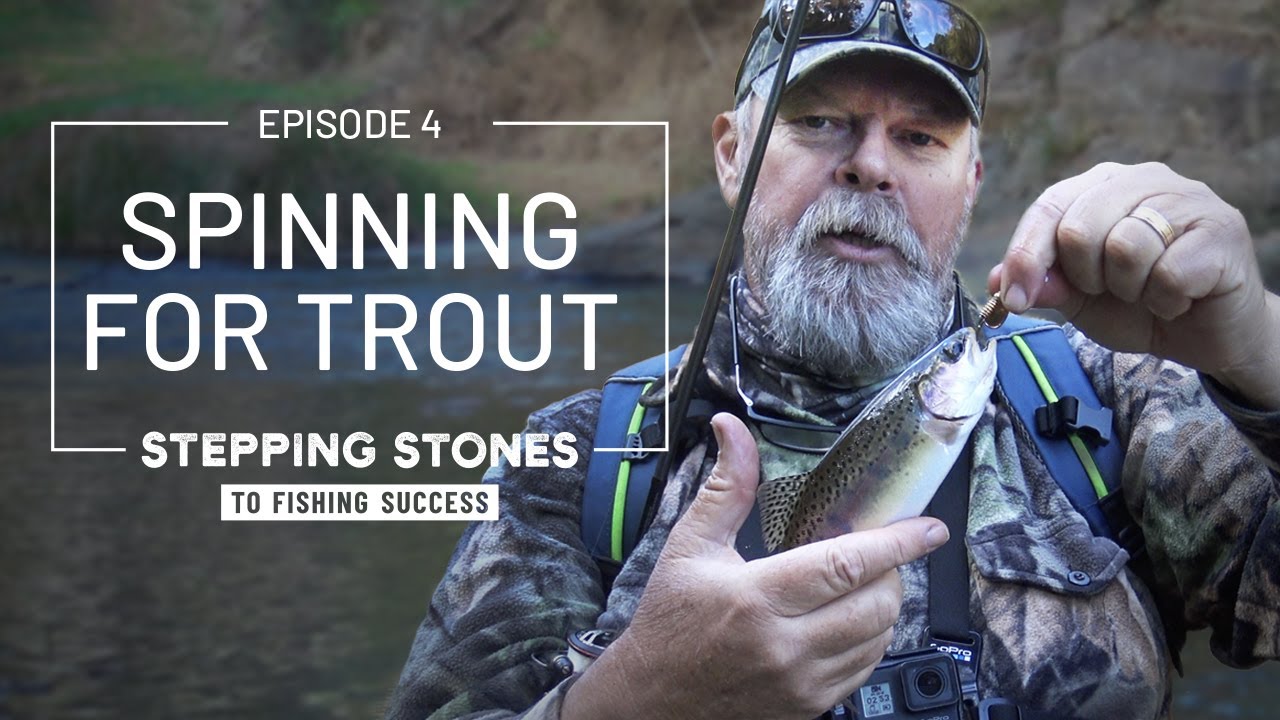
Among all available options, spinners have earned a special reputation among spring trout fishing enthusiasts. "Many anglers would choose a spinner over any other lure if they could only fish with one lure," the guide explains, highlighting the remarkable reliability these lures have demonstrated over time.
"Many anglers would choose a spinner over any other lure if they could only fish with one lure,"

The effectiveness of spinners stems from their ability to attract trout through multiple sensory channels: vibration, flash, and movement. "Spinners can be fished deep or shallow, and they can be fished fast or slow, which makes them one of the best trout lures for spring fishing," according to the expert analysis. For particularly cold water situations, French blade spinners prove most effective when dealing with sluggish trout.
"Spinners can be fished deep or shallow, and they can be fished fast or slow, which makes them one of the best trout lures for spring fishing,"
Proper spinner fishing technique requires attention to several key details that separate successful anglers from those who struggle. The guide strongly advises against adding weight to spinners or the line above them. "I never add weight to my spinners or line above the spinner," he states, instead recommending the use of deeper-functioning spinners or casting further upriver to allow natural sinking to desired depths.
"I never add weight to my spinners or line above the spinner,"
A common misconception involves tipping spinners with natural bait to increase effectiveness. "There is no evidence more trout will grab a spinner tipped with any bait," the guide clarifies, noting that such additions might actually detract from the spinner's natural action.
"There is no evidence more trout will grab a spinner tipped with any bait,"
Retrieve techniques play a crucial role in spinner success. Implementing stop-and-go retrieves or utilizing twitching and lifting actions can effectively mimic injured baitfish, significantly increasing the likelihood of strikes from predatory trout.
Spinner size selection should correspond directly with water temperature conditions. "When the water is really cold, I will go to a size two blade," the guide shares. As water temperatures rise and trout activity increases, transitioning to size three or four blades becomes necessary, particularly when targeting larger specimens.
"When the water is really cold, I will go to a size two blade,"
Specific spinner recommendations from the expert include Panther Martin Spinners, described as "a favorite among river anglers, with numerous colors available." The Mepps Aglia, available in both dressed and regular variations, also receives high marks from the professional fishing community.
The comprehensive approach to spring trout fishing extends beyond simply selecting the right lure. Success requires understanding how environmental conditions affect fish behavior, adapting techniques based on water temperature and clarity, and maintaining versatility in both equipment selection and fishing methods.
As spring conditions continue evolving throughout the season, the most successful anglers remain flexible in their approach, adjusting techniques and strategies based on real-time observations and changing circumstances. This adaptability, combined with proper equipment selection and technique execution, creates the foundation for enriching fishing experiences.
Whether targeting trophy-sized trout in deep pools or working shallow runs for active feeders, the right combination of lure selection, color choice, and presentation technique can make the difference between a memorable day on the water and returning home empty-handed. The expertise gained from decades of professional guiding provides valuable insights that can benefit both seasoned veterans and newcomers to the sport of trout fishing.