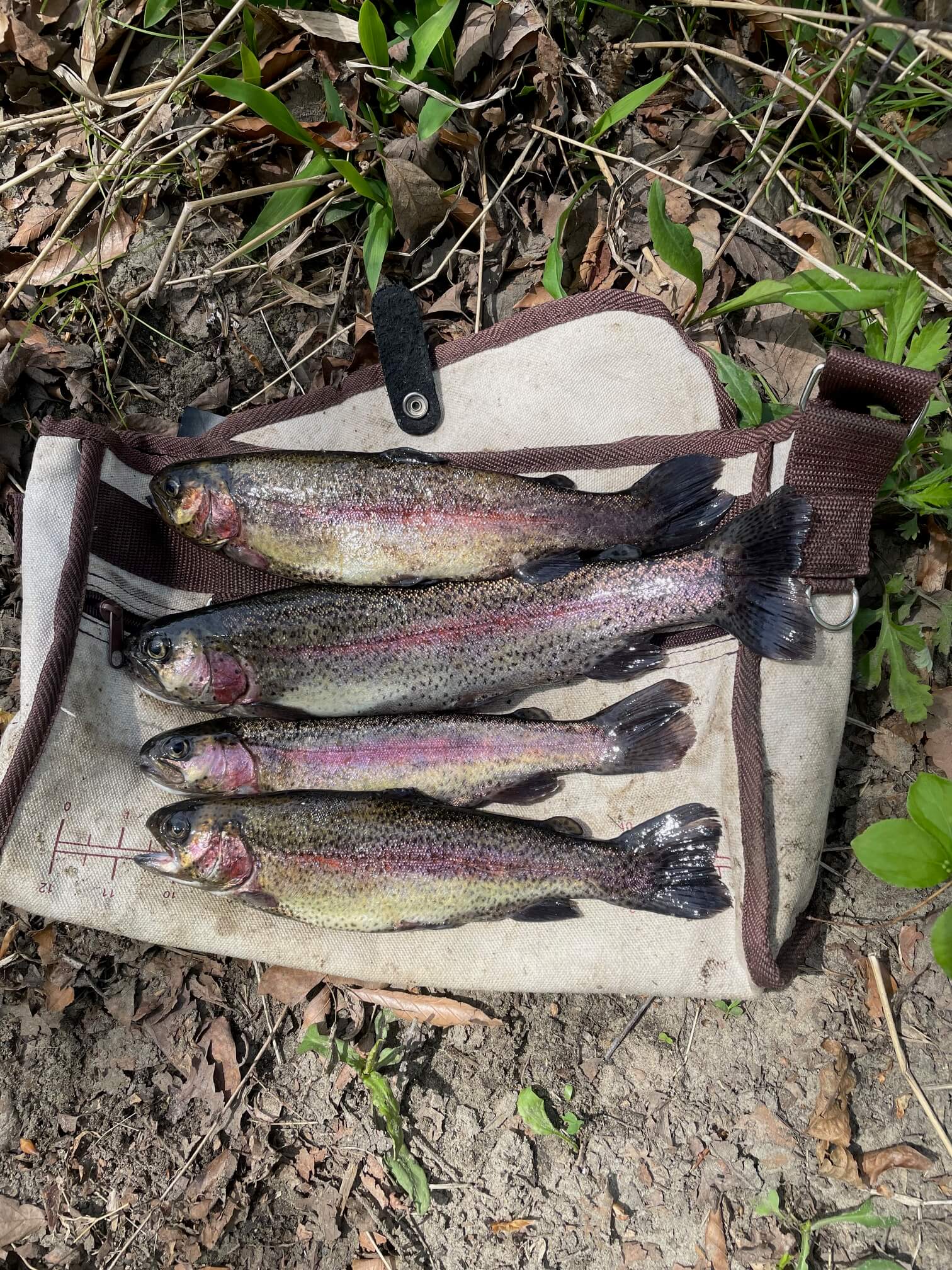
Trout fishing appeals to enthusiasts of all levels, and understanding the right lures and techniques is crucial for success. Renowned naturalist Henry David Thoreau once said, "Many men go fishing all of their lives without knowing that it is not fish they are after." This sentiment speaks volumes about the essence of fishing beyond mere catch. Nevertheless, when it comes to targeting trout specifically, certain lures have proven exceptionally successful.
In-line spinners, spoons, and plugs, commonly referred to as trout minnows, are among the top choices for anglers. Each type has unique characteristics that make them effective in different scenarios. This article elaborates on three highly effective trout lures, providing insights on their patterns and methods of use.
Starting with in-line spinners, these lures typically feature a wire frame with various bodies made of materials like plastic or brass. When combined with a spinner blade, they generate an enticing movement in the water. "In-line spinners are probably the most effective trout lures, hands-down," said one seasoned angler, emphasizing their versatility. "You can search much more quickly with a spinner than with other lures."

"In-line spinners are probably the most effective trout lures, hands-down,"

This speed allows anglers to cover multiple spots swiftly, increasing the chances of connecting with active fish. The sight and sound produced by the vibration and flash of the spinner particularly attract trout, appealing to their predatory instincts. Besides their effectiveness, spinners are praised for their simplicity. The straightforward technique involves casting and retrieving, making it accessible for beginners and experts alike. A common snippet shared by a seasoned fisherman is, "Someone that has literally never fished a day in his life could pick up a spinner, cast it, and catch a fish in a matter of minutes."
Impact and Legacy
Impact and Legacy
Impact and Legacy
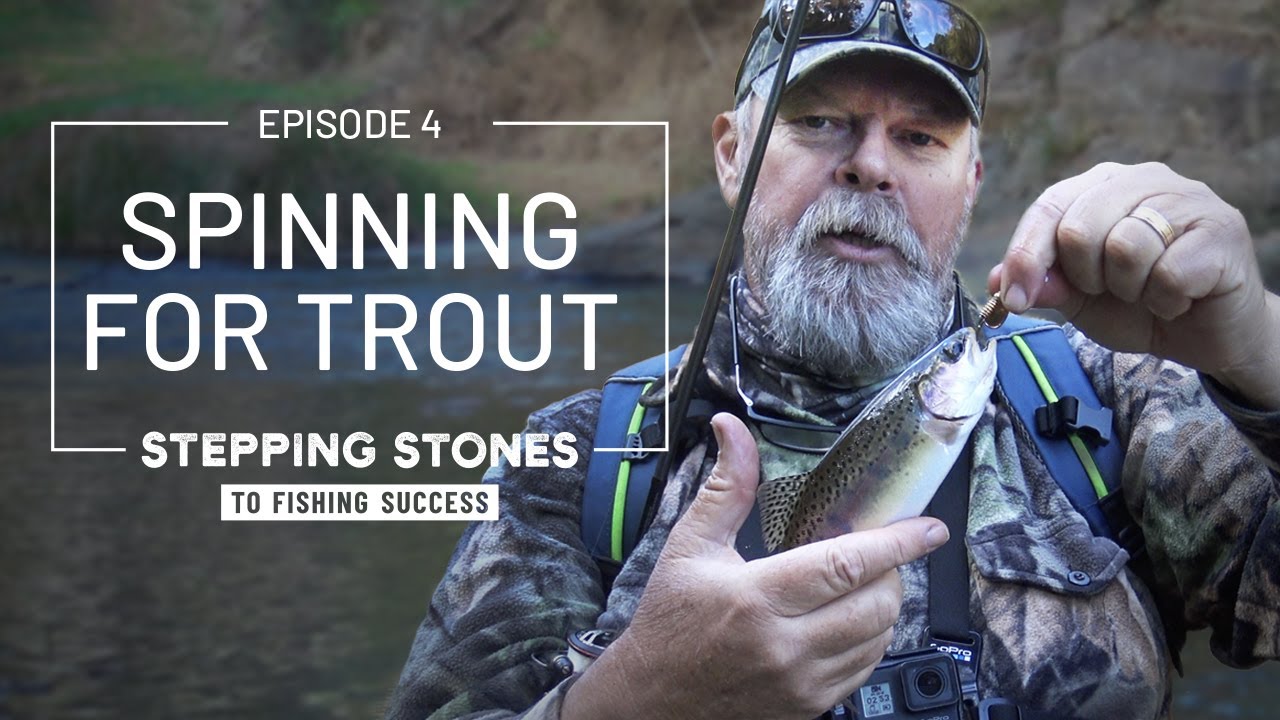
Popular spinner brands among anglers include Mepp’s Aglia, Rooster Tail, and Blue Fox Vibrax. Each of these has specific size and design variations that cater to different fishing conditions. The size of the spinner can significantly influence how trout interact with it. For instance, smaller lures often entice larger fish, challenging the conventional notion that size indicates the best catch. A regular trout angler mentioned, "For some reason, it’s not uncommon to catch fairly big trout on small lures."
Equipped with knowledge on the types of spinners available, the next consideration is how to fish effectively with them. According to experienced anglers, it is best to retrieve spinners slowly, allowing the lure to maintain its effectiveness. "As a general rule, run the spinner as slowly as the conditions will allow," advised one veteran. Focusing downstream rather than upstream offers better control over depth and presentation, mimicking the natural flow of the trout's habitat.
"As a general rule, run the spinner as slowly as the conditions will allow,"
The effectiveness of spinners can be further enhanced by understanding spinner blades. Different blade styles, such as willow leaf blades versus Colorado blades, dictate how a lure can be retrieved. Willow leaf blades are designed for faster retrieves, while the broader, flatter Colorado blades can be used effectively at lower speeds. This variability allows anglers to adapt to various environments, increasing their chances of landing trout.
Race Results
Race Results
Another popular lure in trout fishing is the use of spoons. These lures are often metallic with a reflective finish, designed to imitate the movements of a distressed baitfish. Many anglers appreciate the action spoons impart, which can be effective in a range of fishing scenarios. The weight and design of spoons allow them to reach deeper water where trout often reside. An experienced angler remarked on their effectiveness: "Spoons can be a game-changer when fish are deeper than spinners can reach."
Lastly, plugs—also known as crankbaits—represent another enticing option in the trout angler’s arsenal. These lures mimic the swimming action of baitfish and can be particularly effective in streams and rivers, where trout lie in wait for an easy meal. A well-known fishing guide commented, "Plugs create an erratic action that triggers predators like trout. Knowing when and how to use them can dramatically change your day on the water."
Overall, a successful trout fishing experience hinges on understanding not only the lures but also the strategy behind using them. As the fishing community evolves, anglers continue to share knowledge about effective techniques and patterns that lead to success. With the right lures and techniques at hand, enthusiasts can savor the joy of fishing while crafting memorable experiences in nature.
Looking Ahead
Looking ahead, as more anglers engage with different fishing techniques and lures, the quest for the best trout attractions continues. With ongoing experimentation and shared wisdom, trout fishing will remain a fulfilling pursuit for years to come.