
For bass fishing enthusiasts, small waters like ponds and lakes offer unique opportunities that require specialized approaches to lure selection. Unlike their larger counterparts, these intimate fishing environments present distinct challenges and advantages that savvy anglers are learning to exploit.
"All ponds are not the same," cautioned an experienced fisherman, highlighting the critical importance of understanding each water body's individual characteristics. Pond depths can vary dramatically, with some reaching only five feet while others plunge to twenty feet or more. This variation in structure and depth fundamentally changes how anglers must approach their lure selection and fishing strategy.
"All ponds are not the same,"

One of the most significant advantages of pond fishing lies in the reduced fishing pressure compared to popular large lakes. "The bass get less fishing pressure than your average fishing lake, making the bass less likely to be wary and easily spooked," noted a local fishing expert. This reduced pressure often translates to more cooperative bass, though it also means anglers may need to employ smaller, more subtle lures to achieve consistent success.
"The bass get less fishing pressure than your average fishing lake, making the bass less likely to be wary and easily spooked,"

**The Versatility of Soft Plastic Worms**
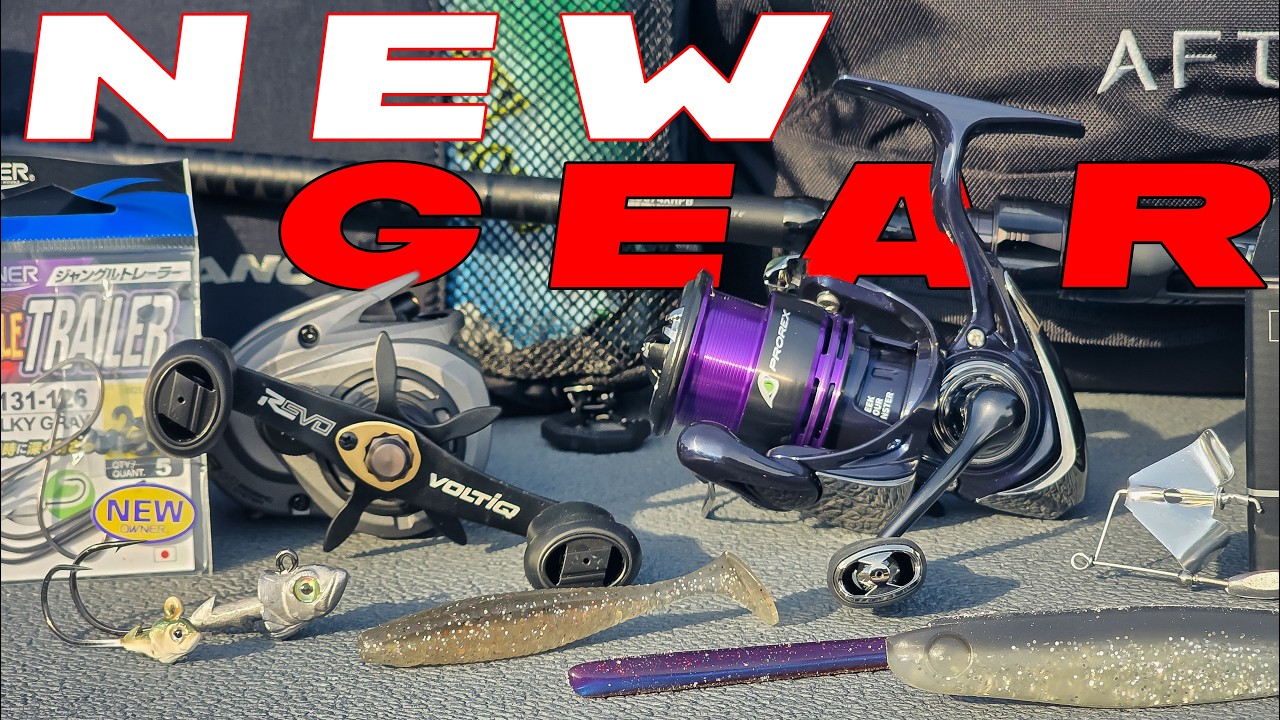
Among the arsenal of effective pond lures, soft plastic worms have established themselves as the gold standard for consistent bass catches. "Probably no lure has caught more bass year-round than Texas-rigged soft plastic worms," stated an avid angler, emphasizing their universal appeal and effectiveness.
"Probably no lure has caught more bass year-round than Texas-rigged soft plastic worms,"
These versatile baits truly shine during spring and fall seasons, particularly when targeting bass in grassy areas. The key to success lies in matching the setup to the conditions. Heavy weights prove invaluable for penetrating thick vegetation, allowing anglers to reach bass hiding in dense cover below the surface. Conversely, lighter setups excel when probing weed edges, where bass often ambush unsuspecting prey.
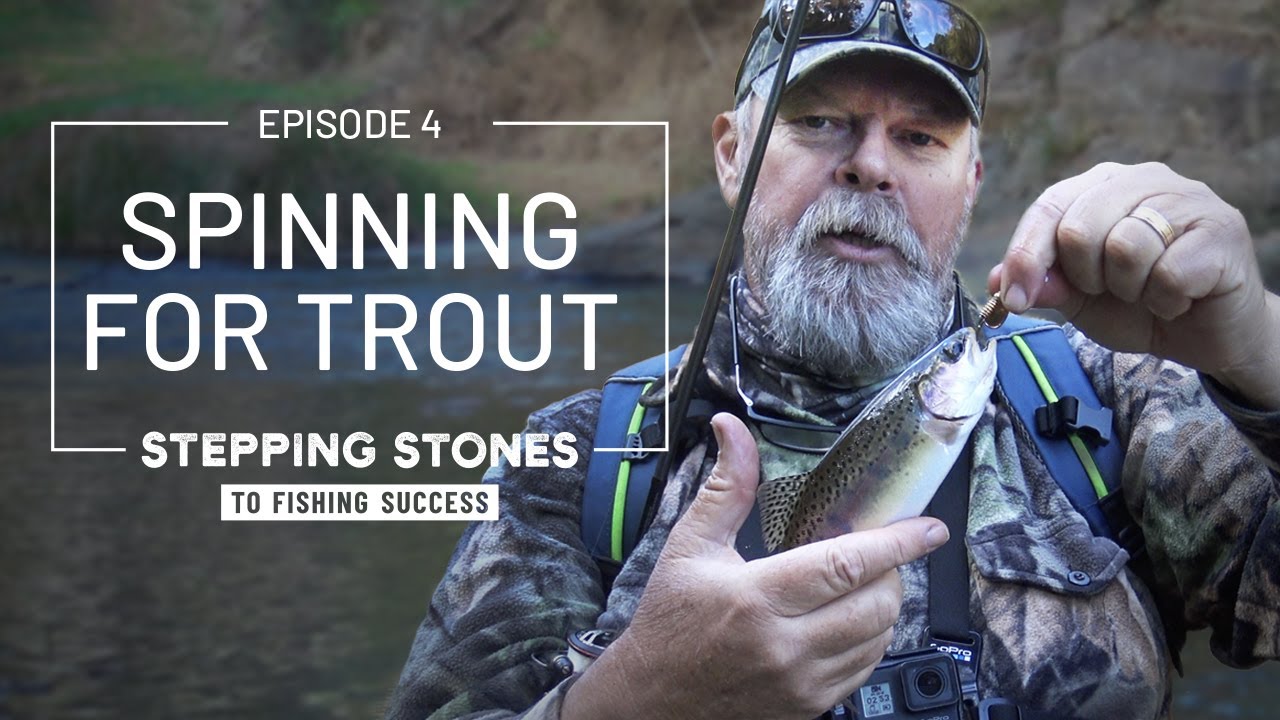
"For grassy or mucky bottoms, the Carolina rig is a good alternative that lets your worm stay above the muck," suggested a seasoned local fisherman, offering a practical solution for challenging bottom conditions that might otherwise snag or hide traditional presentations.
"For grassy or mucky bottoms, the Carolina rig is a good alternative that lets your worm stay above the muck,"
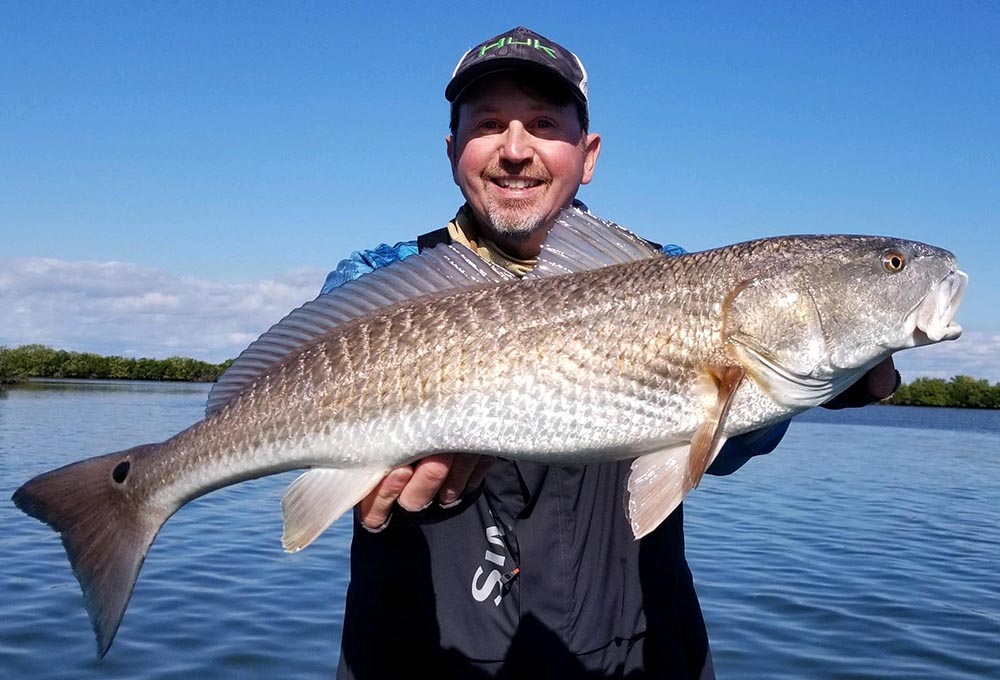
The wacky-rigged Senko represents another compelling option within the soft plastic category. When rigged with a weighted hook, it can quickly reach desired depths, making it ideal for targeting active bass. An unweighted version provides an entirely different presentation, creating tantalizing movements as the worm drifts downward – a technique particularly effective for enticing less active fish during cooler water periods.
**Jerkbaits: Timing and Technique Matter**
Career Journey
Jerkbaits frequently appear on expert recommendations for pond fishing, especially during the transitional periods of early spring and late fall. However, success with these lures requires understanding local preferences and adapting techniques accordingly.
One angler shared an honest assessment of his experience: "I'm just saying that the bass in my favorite pond have specific likes and traditional hard-body jerkbaits as of yet have not been on the preferred menu." This candid observation underscores the importance of recognizing that each water body's bass population may have distinct preferences that don't always align with conventional wisdom.
Race Results
Traditionally, jerkbaits achieve their effectiveness through a stop-and-go retrieve pattern of jerks and pauses, designed to imitate fleeing baitfish. However, successful pond anglers are discovering that location selection can be just as crucial as technique. "Research is compelling me to alter my strategy somewhat and try more often around points, fallen trees, and over the top of weed beds," shared another angler, demonstrating how adaptation and experimentation can lead to improved results.
"Research is compelling me to alter my strategy somewhat and try more often around points, fallen trees, and over the top of weed beds,"
**Expanding the Tackle Box**
Beyond the foundational lures, experienced pond anglers recommend diversifying tackle selections to match varying conditions and seasons. Spinnerbaits excel at covering water quickly, making them ideal for locating active fish or exploring unfamiliar waters efficiently.
Topwater lures generate some of the most exciting fishing experiences, particularly during warmer months. A local guide captured this excitement perfectly: "In my experience, nothing beats the thrill of a bass striking a topwater lure on a warm summer evening."
Color selection represents another critical component of pond fishing success. "Natural hues like pumpkin and watermelon are reliable choices, but don't shy away from experimenting with unique colors," advised an experienced angler. Interestingly, even unconventional colors like bubble gum pink have proven effective, demonstrating that pond bass can sometimes respond to unexpected presentations.
"Natural hues like pumpkin and watermelon are reliable choices, but don't shy away from experimenting with unique colors,"
**The Path to Pond Fishing Success**
Impact and Legacy
Success in pond bass fishing ultimately depends on understanding that each water body presents unique characteristics requiring individualized approaches. Seasonal variations, local bass preferences, and specific pond structures all influence lure effectiveness.
The most successful pond anglers maintain diverse tackle selections and remain willing to adapt their strategies based on local conditions and fish behavior. This flexibility, combined with careful observation and experimentation, creates the foundation for consistently productive pond fishing experiences. As anglers continue learning from their local waters and refining their techniques, they build the knowledge base necessary for long-term fishing success, one carefully chosen lure at a time.