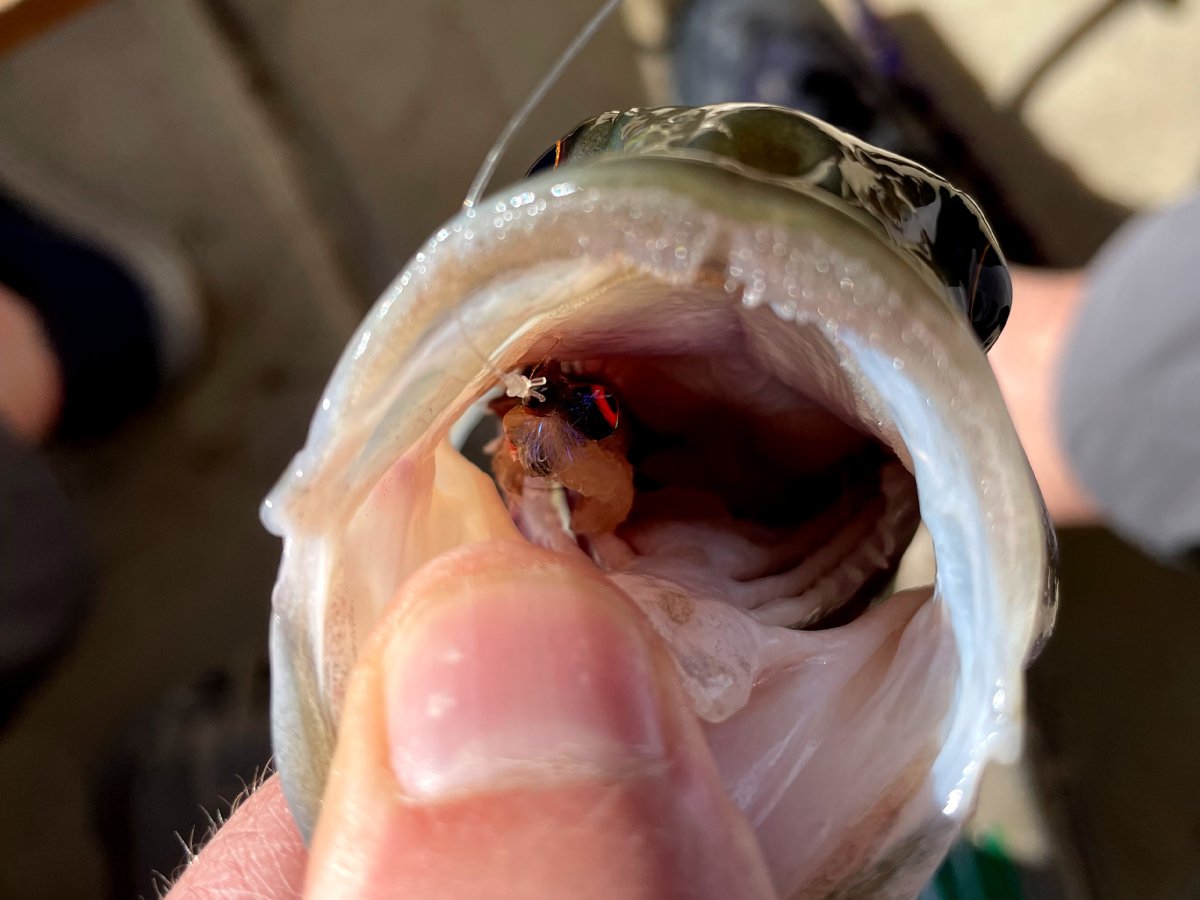
As the fly fishing community continues to expand and evolve, many anglers find themselves paralyzed by choice when faced with the overwhelming array of soft plastics, jigs, and baits available in today's market. However, seasoned fishing experts are advocating for a back-to-basics approach that emphasizes quality over quantity when it comes to building an effective bass fishing arsenal.
The conventional wisdom of needing an extensive collection of patterns is being challenged by experienced anglers who argue that success on the water comes down to understanding fundamentals rather than accumulating gear. Whether targeting bass in quiet farm ponds or navigating busy reservoirs, a carefully selected collection of proven flies can deliver impressive results.
"The key to building a box full of the best bass flies is to think about the major food sources you're trying to imitate," explained one experienced fly fisher who has spent years perfecting techniques in Central Texas waters. This approach emphasizes the importance of understanding local ecosystems, as factors like water depth, clarity, and environmental conditions directly influence bass behavior and feeding patterns.

"The key to building a box full of the best bass flies is to think about the major food sources you're trying to imitate,"

This knowledge-based strategy represents a significant shift from the gear-heavy mentality that often dominates fishing culture. Instead of encouraging anglers to purchase every new product that hits the market, experts are promoting a more strategic approach that can streamline the selection process and ultimately lead to more successful fishing expeditions.
A comprehensive analysis of effective bass fishing patterns has identified 12 essential flies that work consistently for both largemouth and smallmouth bass. These selections have been rigorously tested in Central Texas river systems and have proven their effectiveness across various bass habitats throughout the country, making them valuable additions to any angler's collection regardless of geographic location.
The recommended flies are strategically divided into surface and subsurface categories, with the selection including four surface options and eight subsurface choices. This distribution reflects real-world fishing patterns and represents a balanced mix of both classic patterns that have stood the test of time and contemporary designs that incorporate modern materials and techniques.
The variety encompasses imitations of common bass forage including baitfish, frogs, crawfish, and various insects – covering the full spectrum of what bass typically encounter in their natural feeding environments. This comprehensive approach ensures anglers are prepared for different scenarios and seasonal variations in bass feeding behavior.
"Typically, I spend at least 75 percent of my time fishing subsurface patterns, especially as that number climbs during colder months," noted the seasoned angler, highlighting the practical reality of bass fishing throughout the year. This emphasis on subsurface presentations reflects the fact that bass spend most of their time feeding below the surface, particularly during challenging weather conditions.
"Typically, I spend at least 75 percent of my time fishing subsurface patterns, especially as that number climbs during colder months,"
Subsurface flies, particularly streamers, offer exceptional versatility that allows anglers to adapt to changing conditions on the water. The depth and retrieve speed can be easily adjusted based on current environmental factors, water temperature, and bass activity levels. For example, a modified clouser minnow – recognized as one of the best old-school bass flies – can be retrieved quickly just beneath the water's surface during active feeding periods or allowed to sink and systematically work the bottom when bass are less aggressive.
While subsurface patterns dominate the recommended selection, surface flies maintain an important place in the bass angler's toolkit. The visual excitement of watching a bass strike a surface fly represents one of the most thrilling aspects of the sport and continues to draw both newcomers and veterans to topwater fishing techniques.
"Bass love to attack frogs and other prey from below, making topwater flies particularly enticing," observed another dedicated angler, emphasizing the predatory nature of bass and their instinctive response to surface disturbances. This behavior makes surface presentations both highly effective and accessible, especially for beginning anglers who benefit from the visual feedback these techniques provide.
"Bass love to attack frogs and other prey from below, making topwater flies particularly enticing,"
Race Results
Among the standout patterns in the modern category is the Game Changer, an innovative fly that has revolutionized bass fishing with its combination of realistic movement and lifelike action that proves irresistible to bass. Meanwhile, the Lunch Money fly has earned recognition as an excellent all-around option, delivering consistent results across different fishing environments and conditions.
The Bass Popper exemplifies the evolution of surface patterns, featuring a painted hard-foam body with a marabou tail that has redefined modern surface fishing approaches. "A must-have on any bass fly list, the Bass Popper features a painted hard-foam body with a marabou tail," stated one expert, emphasizing its importance in contemporary bass fishing.
"A must-have on any bass fly list, the Bass Popper features a painted hard-foam body with a marabou tail,"
The Bass Popper offers several advantages including optional weed guards for fishing in heavy cover, a distinctive chugging noise that acts as an attractive dinner bell for bass, and high visibility that makes it particularly enjoyable for beginners. However, anglers should be aware that wind resistance can make these flies challenging to cast in certain conditions.
Available in practical color combinations including Yellow/Orange, Olive, Chartreuse, and White, and offered in sizes 2, 6, and 10, the Bass Popper provides options for different fishing scenarios and bass preferences. This variety ensures anglers can match their presentation to specific water conditions and seasonal patterns.
In the competitive world of bass fishing, this expert guidance suggests that simplicity often trumps complexity, and that mastering a select few effective fly patterns can significantly enhance fishing success while reducing the overwhelming complexity that often discourages newcomers to the sport.