As temperatures soar across the nation this summer, bass anglers are discovering that their favorite fishing holes aren't producing like they used to. The sweltering heat that defines peak summer months fundamentally alters bass behavior, forcing experienced anglers to abandon techniques that worked reliably during cooler seasons.
The challenge is real: rising water temperatures drive bass to seek cooler refuges and change their feeding patterns dramatically. What worked in spring's moderate climate often falls flat when thermometers climb into the triple digits.
"Early morning is one of the best times for bass fishing," said fishing expert and guide Tom Harrison, who has witnessed firsthand how summer transforms the sport. During these precious pre-dawn hours, bass venture into shallower waters to feed before retreating from the day's mounting heat. This behavioral shift makes topwater baits particularly deadly weapons in an angler's arsenal.

"Early morning is one of the best times for bass fishing,"

The appeal of topwater fishing extends beyond mere effectiveness. "There's something thrilling about topwater fishing—the excitement of watching a bass break the surface to hit your lure is unmatched," Harrison added, capturing the visceral thrill that keeps anglers returning despite challenging conditions.
"There's something thrilling about topwater fishing—the excitement of watching a bass break the surface to hit your lure is unmatched,"

Career Journey
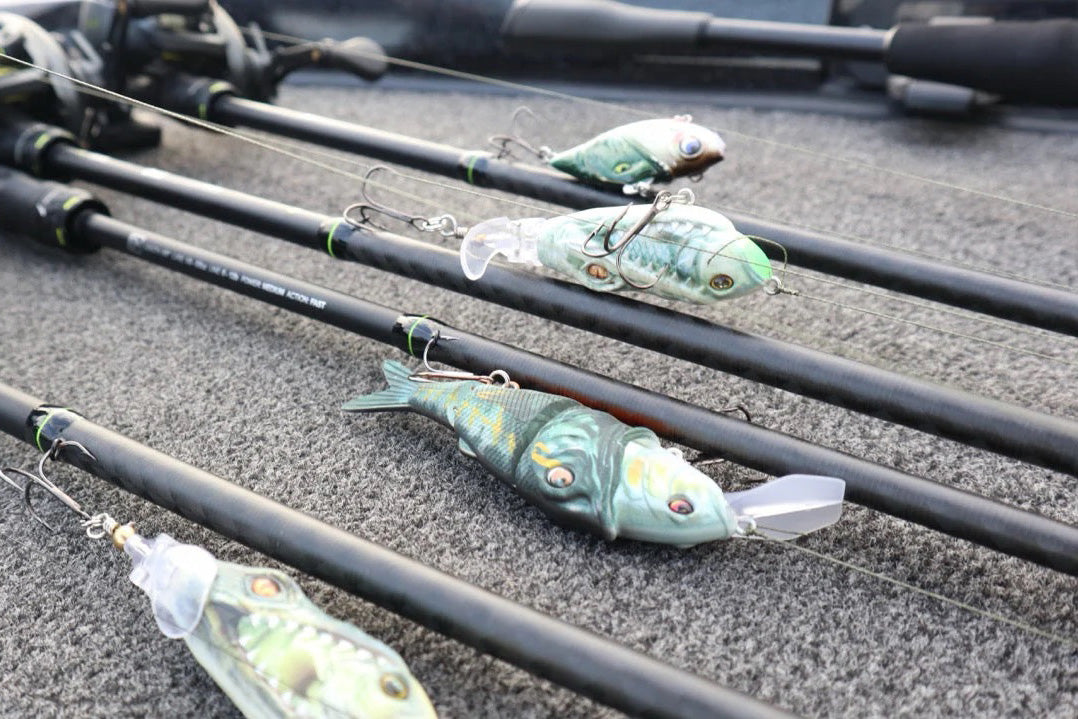
Successful early morning strategies require careful lure selection. Walking baits excel at creating the side-to-side motion that mimics wounded prey, while frogs can skim effortlessly across vegetation to trigger explosive reaction strikes from lurking bass. Poppers add another dimension, creating distinctive surface disturbances that can provoke aggressive responses.
Retrieval technique becomes equally critical. Erratic movements that mix varying speeds with strategic pauses often prove most effective at provoking strikes. Some situations call for steady walking of the lure to attract active bass, while the pop-and-pause method—creating noise followed by strategic stillness—can be irresistible to hesitant fish.
Career Journey
Veteran angler Lisa Shore, who regularly targets these early morning windows, emphasized the broader benefits of dawn fishing. "The cooling temperatures in the early morning and less boat traffic make the conditions very conducive for catching bass," she noted, highlighting how reduced competition for prime spots enhances the overall experience.
"The cooling temperatures in the early morning and less boat traffic make the conditions very conducive for catching bass,"
However, as the sun climbs higher and water temperatures spike, successful anglers must adapt their approach entirely. Bass instinctively retreat to deeper, cooler sanctuaries, requiring a fundamental shift in strategy.
"Deep diving [crankbaits](/gear/crankbait) are perfect for this part of the day; they help you reach the depths where bass are hiding," suggested professional angler Mark Riddick. These specialized [lures](/gear/fishing-lure) excel during midday heat because their wobbling action and vibration can trigger predatory responses even from lethargic fish seeking refuge in cooler depths.
"Deep diving crankbaits are perfect for this part of the day; they help you reach the depths where bass are hiding,"
Crankbait selection requires technical knowledge. Bill size and shape directly determine diving depth—longer bills dive deeper, allowing anglers to target specific depth ranges where bass congregate. Color selection must account for water visibility conditions, with brighter hues working better in murky water while natural tones prove more effective in clear conditions.
Effective crankbait presentation often involves deflection techniques, where lures bounce off underwater structures to create erratic movements that mimic distressed baitfish. Stop-and-go retrieval sequences further enhance this illusion, enticing strikes from nearby predators.
Riddick emphasized crankbaits' efficiency advantages: "Their size and vibrations tend to attract larger bass, which are the fish that many anglers aim to catch during summer months." This ability to cover water quickly while targeting trophy-sized fish makes crankbaits invaluable during challenging summer conditions.
When daytime temperatures become truly oppressive, dedicated anglers turn to nighttime as their salvation. "Bass become more active at night, moving into shallower water to feed after sunset," explained local fishing guide Angela Moore.
"Bass become more active at night, moving into shallower water to feed after sunset,"
Night fishing presents unique opportunities and challenges. Spinnerbaits emerge as premier choices for after-dark adventures, their multi-sensory appeal creating vibrations and flashes that bass can detect in low-light conditions. These lures excel at drawing attention when visual cues become less reliable.
Moore offered practical night fishing wisdom: "Silhouettes against the night sky can create a more enticing visual for the bass, so don't shy away from fishing close to the shorelines." This insight reflects how successful night anglers learn to think like their quarry, understanding how bass use available light and shadow to hunt.
The transformation of bass fishing during summer heat illustrates a broader truth about the sport: adaptability separates successful anglers from those who struggle. As water temperatures continue climbing, the anglers who embrace these seasonal changes—adjusting their timing, techniques, and lure selections—will continue finding success while others wonder where all the fish disappeared to.