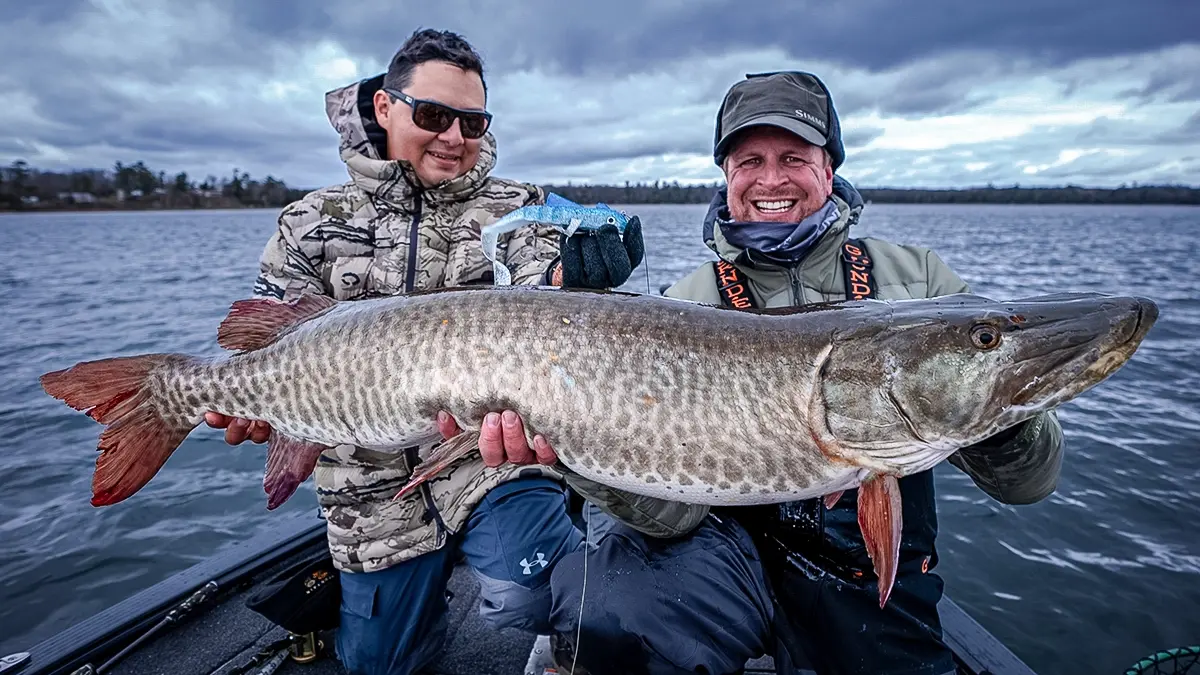
A groundbreaking study by the Minnesota Department of Natural Resources is shedding new light on the feeding habits of one of North America's most elusive game fish, potentially revolutionizing how anglers approach musky fishing.
Muskellunge, commonly known as muskies, have long held the reputation as "the fish of ten thousand casts" due to their notoriously difficult-to-predict behavior. However, recent research across eight Minnesota lakes is providing anglers with scientific insights that could dramatically improve their success rates on the water.
"the fish of ten thousand casts"

The comprehensive study, conducted by a fishery biologist from the Minnesota Department of Natural Resources, analyzed stomach contents from muskies to understand their diverse feeding patterns. The findings were remarkable in their scope and implications for fishing strategy.

"We documented 29 types of prey from musky stomachs," the biologist reported. "These included everything from crayfish and small perch to seagulls and ducks."
"We documented 29 types of prey from musky stomachs,"
Perhaps the most striking discovery was a single 47.4-inch musky that had consumed an astounding 101 fish in one feeding session. This finding reinforces the species' reputation for voracious appetites and highlights the importance of variety in lure selection.
"Muskies will bite almost anything at different times. It's essential to have a wide array of options," the biologist emphasized, noting that successful anglers should adapt their approach based on specific lake conditions, seasonal patterns, and water temperatures.
The research comes at a time when musky fishing is experiencing growing popularity among serious anglers. These apex predators, known for their impressive size and aggressive strikes, represent the ultimate freshwater fishing challenge. Their unpredictable nature and the skill required to successfully target them have created a dedicated community of enthusiasts who often travel great distances in pursuit of trophy fish.

One of the most exciting aspects of musky fishing involves topwater action, where anglers can witness spectacular surface strikes. The visual drama of a massive musky exploding from the depths to attack a surface lure creates memories that last a lifetime.
"I still remember the thrill when a 50-incher attacked my Pacemaker right off a dock," recalled one experienced angler, describing the adrenaline rush that keeps dedicated musky hunters returning to the water season after season.
"I still remember the thrill when a 50-incher attacked my Pacemaker right off a dock,"
Career Journey
Timing plays a crucial role in topwater musky success. The optimal period typically begins after spawning season when muskies resume their regular feeding patterns and extends through late fall. From late September to early November, these predators enter a feeding frenzy as they prepare for winter, creating prime opportunities for anglers willing to brave cooler temperatures.
During these peak periods, successful musky anglers focus on four main categories of topwater lures: ploppers, walkers, prop baits, and buzz baits. Each category offers unique advantages depending on water conditions and fish behavior.
Plopper-style baits have gained significant popularity in recent years due to their ability to create substantial surface disturbance. Models like River2Sea's Whopper Plopper and Drifter's Pacemaker feature specially designed rotating tails that generate turbulence and sound vibrations that can attract muskies from considerable distances.
"They really move a lot of water and can call fish from a distance," explained one angler who has experienced consistent success with these lures. Additional effective options in this category include Gooch's Tally Wacker and Hi-Fin's Twin Teasertail, both designed specifically for their fish-calling capabilities.
"They really move a lot of water and can call fish from a distance,"
Championship Implications
Prop baits represent another proven approach, featuring metal propellers positioned at various points along the lure body. These baits excel during erratic retrieves, creating subtle yet attractive surface splashes that can trigger strikes from following fish. The Cisco Kid Topper stands out as a time-tested favorite among veteran musky anglers.
"An oldie but a goodie, the Cisco Kid Topper is a classic with front and rear props that work wonders in the right conditions," noted one seasoned musky fisherman who has relied on the lure for decades.
"An oldie but a goodie, the Cisco Kid Topper is a classic with front and rear props that work wonders in the right conditions,"
The combination of scientific research and practical angling experience is creating new opportunities for musky fishing success. As the Minnesota study demonstrates, understanding prey preferences can inform lure selection and presentation techniques. The documented variety in musky diets suggests that anglers should maintain diverse tackle selections and remain willing to experiment with different approaches throughout each fishing session.
This scientific approach to understanding musky behavior represents a significant advancement in freshwater angling. By combining rigorous research with decades of angling experience, the fishing community is developing more effective strategies for targeting these magnificent predators.
Race Results
As musky fishing continues to grow in popularity, studies like this Minnesota research provide valuable foundations for both novice and experienced anglers. The pursuit of these elusive giants requires patience, persistence, and adaptability – qualities that the new scientific insights can help optimize for better results on the water.