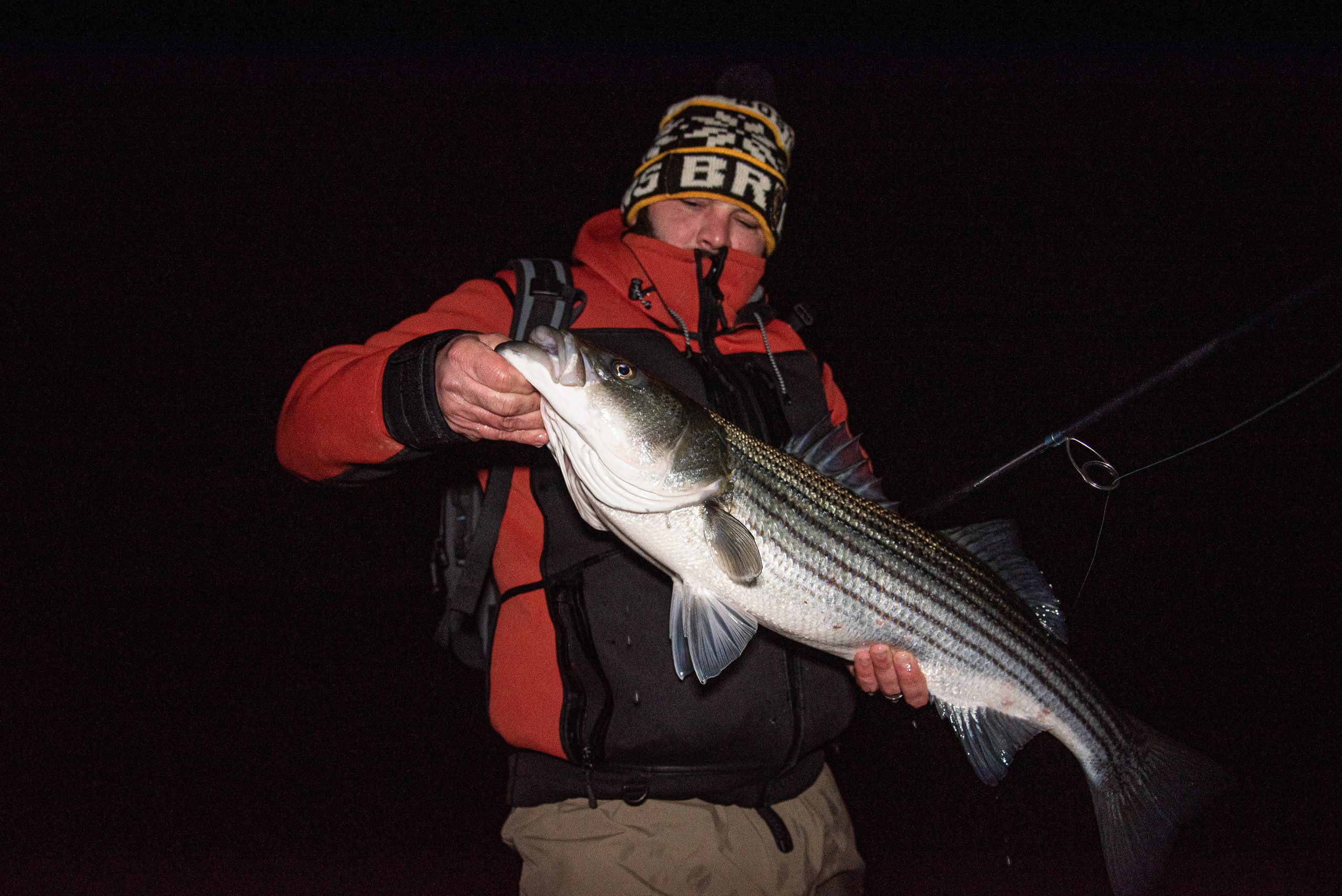
As winter's grip begins to loosen across the Northeast, striped bass anglers are preparing for one of the most challenging yet rewarding periods of the fishing calendar. March marks the unofficial start of striper season in key fishing regions from Northern New Jersey to New England, but success during these early weeks requires a dramatically different approach than the aggressive tactics of summer.
Jimmy Fee, a seasoned angler with 25 years of striped bass fishing experience, has built his reputation on understanding the subtle nuances of early spring fishing. His March campaigns target both holdover fish that have wintered in northern waters and the mix of resident and migratory stripers that begin stirring in familiar haunts along the coast.
"My striper season usually begins in March, whether that's for holdovers in New England, or for the mix of resident and migratory fish in my old home waters of Northern New Jersey," Fee explained. But don't expect to see the colorful array of [lures](/gear/fishing-lure) that fill [tackle boxes](/gear/tackle-box) during peak summer months. March fishing demands restraint and precision.

"My striper season usually begins in March, whether that's for holdovers in New England, or for the mix of resident and migratory fish in my old home waters of Northern New Jersey,"

The challenge lies in understanding bass behavior during this transitional period. Water temperatures remain cold, concentrating fish in the deepest sections of bays and rivers where they conserve energy and limit feeding to specific windows when conditions are most favorable. "With the bass concentrated deep in bays or rivers, limiting their activity to the parts of the day (or night) when the water is a little bit warmer, there's a small assortment of lures that can get in front of the fish," Fee noted.
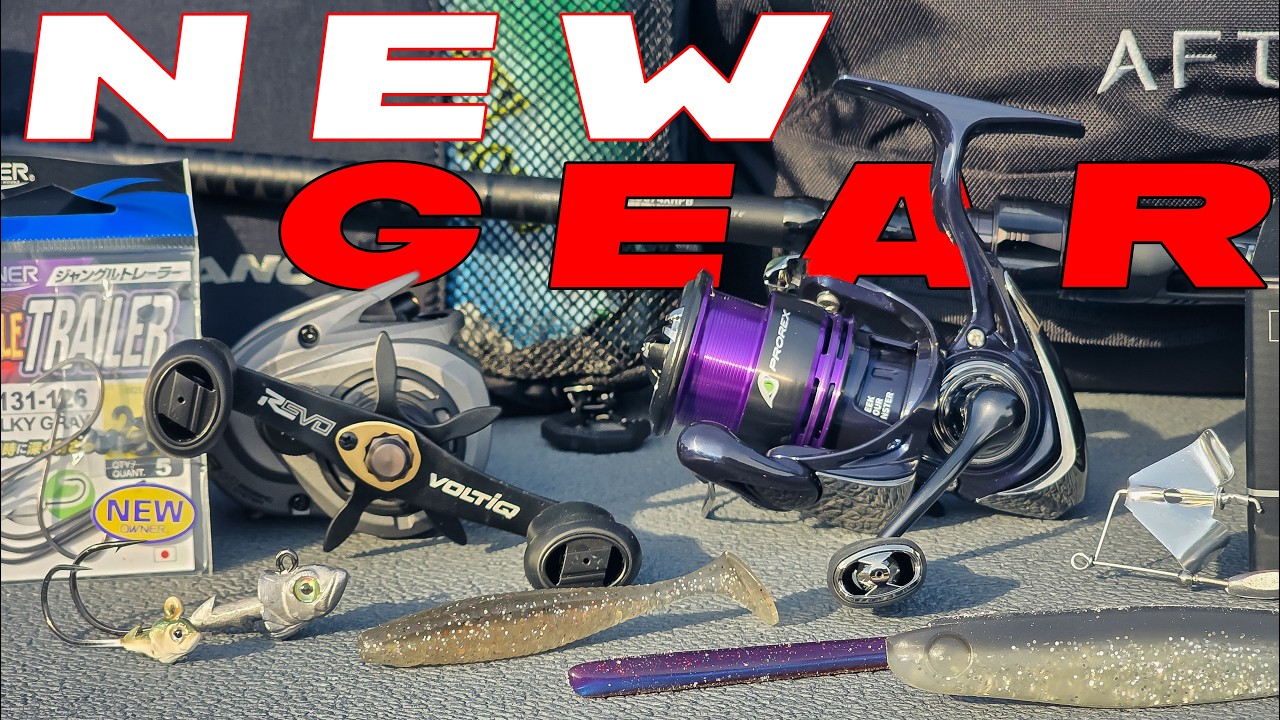
"With the bass concentrated deep in bays or rivers, limiting their activity to the parts of the day (or night) when the water is a little bit warmer, there's a small assortment of lures that can get in front of the fish,"

Career Journey
Career Journey
Career Journey
This reality has shaped Fee's approach over decades of early season fishing. Rather than relying on flashy presentations, success hinges on subtle offerings that can reach fish in their deep-water sanctuaries and trigger feeding responses from lethargic bass.
Career Journey
At the heart of Fee's March arsenal lies what he calls "the undisputed lightweight champion of March fishing in the backwaters": small fluke-style soft plastics paired with jigheads. This combination has remained his go-to presentation throughout his quarter-century of striper fishing, though his specific gear choices have evolved with experience.
"the undisputed lightweight champion of March fishing in the backwaters"
Career Journey
Drawing from his early fishing days, Fee recalls experimenting with various combinations, including Kalin's jigheads matched with Bass Assassins and Zoom Super Salty Flukes in vibrant colors. Through trial and error, he discovered that jighead weight selection proves critical for consistent success.
While effective weights range from 1/4 ounce to 3/4 ounce depending on conditions, Fee has found his sweet spot: "3/8-ounce jigheads seem to be the sweet spot for most of my backwater striper outings." This weight provides enough mass to reach deeper fish while maintaining the subtle presentation that cold-water bass demand.
Career Journey
Plastic selection follows similar principles of refined simplicity. Five-inch soft plastics serve as the standard, though Fee encourages anglers to experiment with larger 6-inch and 7-inch options, particularly specialized eel-style baits like the Gravity Tackle GT Eel during the season's early phases when fish may target larger prey items.
Color selection becomes an exercise in reading water conditions, with clarity serving as the primary determining factor. "For colors, I look no further than white or pink for clean water," Fee stated, emphasizing the effectiveness of natural presentations in clear conditions.
"For colors, I look no further than white or pink for clean water,"
However, March fishing often means dealing with spring runoff that clouds backwater areas. In these murkier conditions, Fee shifts to more visible options like chartreuse that can cut through stained water. Some anglers take customization even further: "I've known some fishermen to dye the tails of their white plastics a bright yellow in order to help them stand out in dirty water," he explained.
"I've known some fishermen to dye the tails of their white plastics a bright yellow in order to help them stand out in dirty water,"
Scent becomes another crucial element in Fee's cold-water presentations. He recommends products like Pro Cure gel to add an additional attractant that can trigger strikes from sluggish fish relying heavily on their sense of smell when visibility is limited.
Beyond soft plastics, Fee incorporates modified minnow plugs into his March strategy, particularly the Rapala X-Rap Long Cast. "Small plastic minnows catch stripers all year, but as I learned from my friend Captain Rob Taylor, when the waters are very cold, a few minor tweaks to the plugs can make them more effective," he pointed out.
"Small plastic minnows catch stripers all year, but as I learned from my friend Captain Rob Taylor, when the waters are very cold, a few minor tweaks to the plugs can make them more effective,"
Traditional minnow plugs typically float and dive only 3 to 5 feet deep, but Fee has learned that altering their presentation can yield improved results when water temperatures are at their lowest. These modifications, refined through years of collaboration with fellow anglers like Captain Taylor, demonstrate the importance of continuous learning and adaptation.
As March progresses and water temperatures gradually climb, Fee emphasizes the importance of staying attuned to environmental changes. Successful early season striper fishing requires constant adjustment to shifting conditions, from daily temperature fluctuations to changing baitfish patterns.
For anglers preparing for the upcoming season, Fee's methods underscore a fundamental truth about March striper fishing: less is often more. Success comes not from overwhelming fish with aggressive presentations, but from subtle offerings that can reach concentrated bass and trigger feeding responses during brief windows of opportunity.
As the striped bass migration pattern develops in the coming weeks, these early season strategies will prove invaluable for anglers looking to extend their fishing season and connect with some of the most challenging fish of the year.