As trout fishing continues to grow in popularity across the country, many anglers find themselves overwhelmed by the countless lure options available in tackle shops. However, fishing experts are sharing their insights on what separates successful trout fishing from frustrating days on the water – and it all comes down to understanding the science behind lure selection.
"Knowing the right type of lure can immensely enhance your chances of success," said expert angler Michael Harmon. This sentiment reflects the growing recognition among fishing professionals that lure selection involves far more than simply grabbing the brightest option from the [tackle box](/gear/tackle-box).
"Knowing the right type of lure can immensely enhance your chances of success,"

Trout, notorious for their ability to avoid predators and detect anything out of the ordinary in their environment, present unique challenges for anglers. Understanding what elements to consider when selecting a lure has become crucial for both novice and experienced fishermen looking to improve their success rates.

The material composition of lures plays a fundamental role in their effectiveness. Industry professionals note that lures crafted from high-grade ABS plastic, steel, and brass have gained popularity among serious anglers. These materials provide the durability needed for repeated use while effectively mimicking the natural appeal of trout food sources.
Color selection represents another critical factor in lure effectiveness. "Colors play a pivotal role in attracting trout. Bright, vivid hues can entice fish to strike, especially in murky waters," noted fishing guide Amelia Wright. This principle becomes particularly important when underwater visibility is compromised by weather conditions or water clarity issues.
The relationship between trout size and feeding preferences has led to more sophisticated approaches to lure selection. Smaller trout primarily feed on insects, while larger specimens typically favor fish or other substantial prey. This biological reality drives many professional recommendations.
"The more closely a lure resembles the trout's natural prey, the more likely you'll catch one," explained fishing expert Roger Fields. This principle guides many anglers toward selecting spinners, spoons, and swimbaits that closely mimic the appearance and movement of natural food sources.
"The more closely a lure resembles the trout's natural prey, the more likely you'll catch one,"

Size matching represents another crucial consideration that many amateur anglers overlook. "Trout have small mouths, making it essential to match the size of your lure to the fish," said seasoned angler Lisa Grant. This becomes particularly important when targeting larger trout in deeper waters, where bigger lures may be appropriate.
"Trout have small mouths, making it essential to match the size of your lure to the fish,"
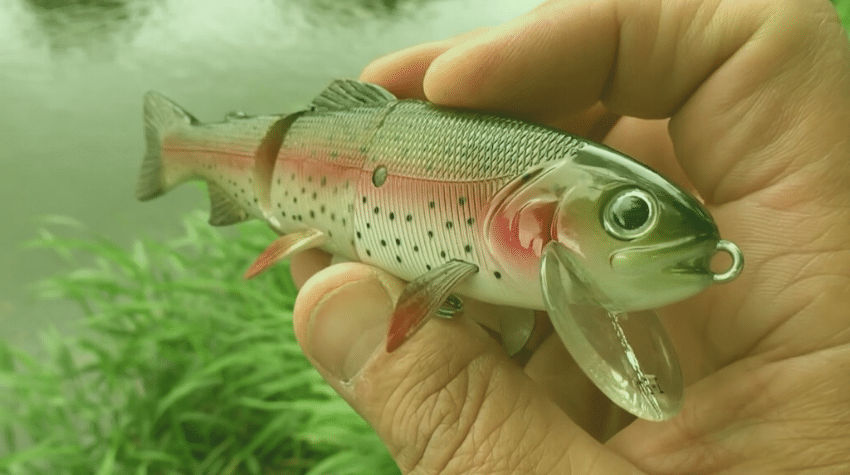
The incorporation of realistic features has gained attention from both manufacturers and researchers. Employing realistic details such as 3D eyes can create a more lifelike appearance that proves attractive to discerning trout. "Our studies show that trout are more likely to be attracted to lures that bear realistic details," stated ichthyologist Dr. Karen Taves.
"Our studies show that trout are more likely to be attracted to lures that bear realistic details,"
Hook visibility presents an often-overlooked challenge in trout fishing. These keen-eyed fish can often detect what appears unnatural in their environment. "Using smaller treble hooks can help keep your setup discreet," advised tackle shop owner Greg Davidson. However, he cautioned that small hooks can be swallowed by fish, potentially leading to harm.
"Using smaller treble hooks can help keep your setup discreet,"
Impact and Legacy
Environmental factors also influence optimal lure selection. Weight considerations must account for specific fishing conditions and locations. "Heavier lures work better in deep waters and rapidly flowing rivers, while lighter ones are ideal for calm conditions," said marine biologist Derek Lee.
"Heavier lures work better in deep waters and rapidly flowing rivers, while lighter ones are ideal for calm conditions,"
Among the products gaining recognition in the trout fishing community, the Plusinno Fishing Lure kit has attracted attention for its comprehensive approach. The kit includes 16 bright, colorful spinners designed to attract trout through both visual appeal and water movement. "These lures create appealing vibrations and flashes in the water that trout are drawn to," noted avid fisherman Jake Morris.
"These lures create appealing vibrations and flashes in the water that trout are drawn to,"
Made from machined brass, the kit's diverse size range allows anglers to adapt their approach based on varying conditions. The inclusion of a carry bag adds practical convenience for fishing trips. The lures function in both freshwater and saltwater environments and offer a range of sizes and weights suitable for diverse fishing situations. However, some users have reported concerns about hook quality and spinner durability with prolonged use.
Another product receiving recognition from trout fishermen is the Acme Kastmaster, which ranks highly for reliability among experienced anglers. Constructed from brass, the Kastmaster offers durability and resilience in various conditions. "Its plain design allows it to perform exceptionally well in both shallow and deep waters," explained fishing guide Frank O'Malley. The lure's availability in various colors and styles makes it versatile for targeting multiple species beyond trout.
"Its plain design allows it to perform exceptionally well in both shallow and deep waters,"
As the trout fishing community continues to grow, the emphasis on informed lure selection reflects a broader trend toward more scientific and strategic approaches to the sport. Understanding these principles can significantly improve success rates for anglers at all experience levels.