Trolling stands as a prominent method in the realm of recreational fishing, demonstrating its effectiveness through history and tradition. By utilizing this technique, anglers draw one or multiple fishing lines, usually baited with lures or live bait, behind a moving boat. The essence of trolling lies in its simplicity and timeless appeal, making it accessible even to novices.
"Trolling allows anglers to mimic the movement of naturally swimming fish, which can entice predatory species to strike," shared seasoned fisherman and educator, Tom Reynolds. The roots of trolling may be ancient, with early practices hinting at usage among Pacific Island cultures, while mentions of the technique in European fishing literature date back to the sixteenth century.
"Trolling allows anglers to mimic the movement of naturally swimming fish, which can entice predatory species to strike,"

No discussion of trolling is complete without examining its advantages and disadvantages. Before the advent of spinning reels, trolling was the only successful method to keep bait in motion over distance. "The beauty of trolling is that you can run your lure deep and for an extensive distance, more than one could ever hope to do by casting alone,” noted Reynolds.

This depth and distance lend themselves to considerable strategies. Trolling empowers anglers to deploy multiple lines with different lures, increasing the likelihood of attracting fish by covering various water columns simultaneously. "By running lines at different distances and depths, you can get a better understanding of the fish's preferences," said Alex Thompson, a professional angler with years of trolling experience.
"By running lines at different distances and depths, you can get a better understanding of the fish's preferences,"
An additional advantage is that the lure can be trolled far enough back from the boat, minimizing the likelihood of fish associating the lure with the moving vessel. This feature is crucial, particularly in open waters where wary fish are easily spooked.
However, trolling is not without its drawbacks. "It's often a slower pace of fishing, where adjustments aren't as easy to make on the fly compared to spinning techniques," Reynolds added, highlighting the challenges posed by this method. While spinning allows rapid changes in lure speed and technique, trolling requires more planning and time to readjust setups effectively.
"It's often a slower pace of fishing, where adjustments aren't as easy to make on the fly compared to spinning techniques,"
Race Results
In addition, trolling is less adaptable in certain environments. "It requires relatively deep and open water with consistent bottom structures to be effective," Thompson mentioned. In areas like narrow rivers or small lakes, sometimes other fishing methods yield better results. Furthermore, trolling usually incurs higher costs, mainly due to the necessity of a boat.
"It requires relatively deep and open water with consistent bottom structures to be effective,"
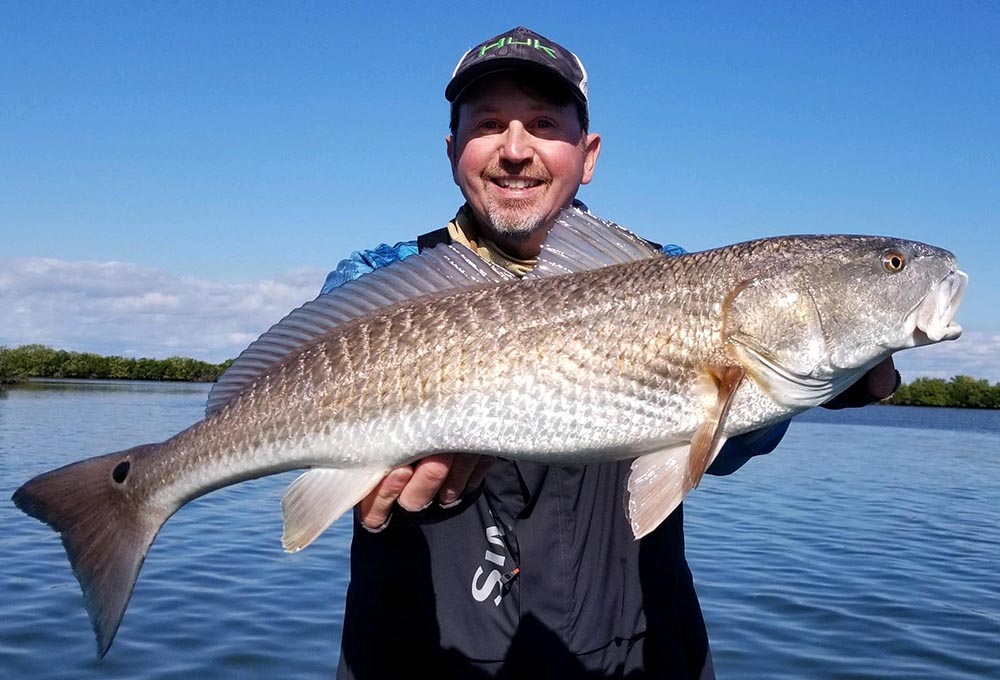
Despite potential downsides, the excitement of trolling lies in the anticipation of a catch. "Some consider trolling quite dull until the moment a big one strikes," Reynolds explained, emphasizing the thrill that can ensue.
"Some consider trolling quite dull until the moment a big one strikes,"
When it comes to species targeted by trolling, both freshwater and saltwater fishing offer a wealth of options. In freshwater scenarios, anglers can expect to catch walleye, muskellunge, northern pike, and various bass species through trolling. Conversely, saltwater trolling is geared towards prized game fish like tuna, marlin, and sailfish.
"Even species like lake trout and landlocked salmon that are typically associated with fly-fishing can be efficiently caught through trolling methods," suggested Thompson, indicating how adaptable these techniques can be across different environments and fish preferences.
"Even species like lake trout and landlocked salmon that are typically associated with fly-fishing can be efficiently caught through trolling methods,"
Ultimately, trolling remains a timeless and practical fishing approach. It covers vast areas, allowing the chance to catch notable species while providing unique fishing experiences. Trolling isn’t merely about technique; it’s about understanding the water, the fish, and the subtle nuances of bait presentation. As these seasoned fishermen indicate, whether on the expansive ocean or a serene lake, trolling offers both adventure and satisfaction for anglers willing to embrace its benefits and challenges.