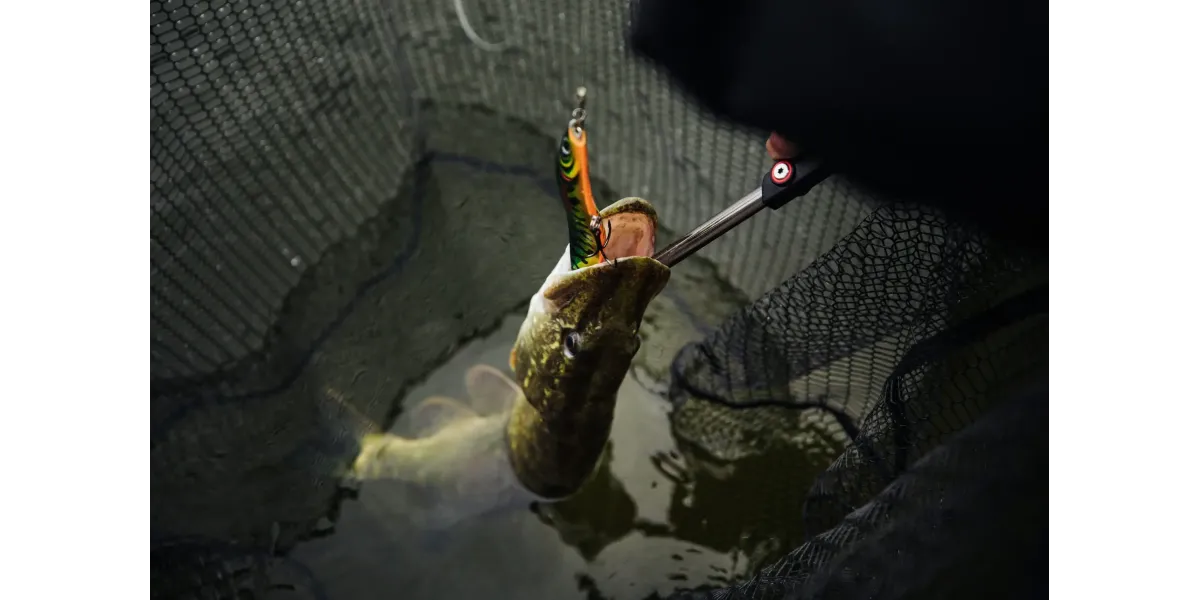
Pike fishing is a sport that combines thrill and skill, drawing anglers with the promise of fierce battles against these aggressive predators. Understanding pike's unique habits and habitats is essential for success, as outlined in this comprehensive guide.
Understanding the habitats where pike thrive is crucial. According to fishing experts, “Rivers and lakes with current attract pike, especially near submerged logs, rocks, or structures.” Moreover, seasonal changes greatly influence their behavior. During the cooler months, pike venture into shallow areas to feed voraciously. In contrast, as summer heats up, they retreat to deeper waters, typically between 10 and 20 feet, where they can find cooler temperatures and ample prey.
However, certain environments captivate pike more than others. “Pike prefer weedy bays, channels, and lake edges where smaller fish congregate,” outlined experienced anglers. These abundant habitats prove fruitful during warmer months when pike are on the hunt.


Race Results
Timing your fishing trips is another critical aspect that enhances success rates. Optimal weather conditions, such as overcast days with light breezes, are known to elicit higher pike activity. “These conditions tend to yield better results as pike are more willing to hunt,” mentioned a seasoned local fisherman.
Seasons also play a vital role, with spring and fall often regarded as the pinnacle of the pike fishing calendar. These times coincide with temperatures between 50-65°F or 10-18°C, prompting increased fish activity. “The first few hours after dawn and the last few hours before dusk are prime times to fish,” added an expert angler, emphasizing the benefits of low-light conditions.
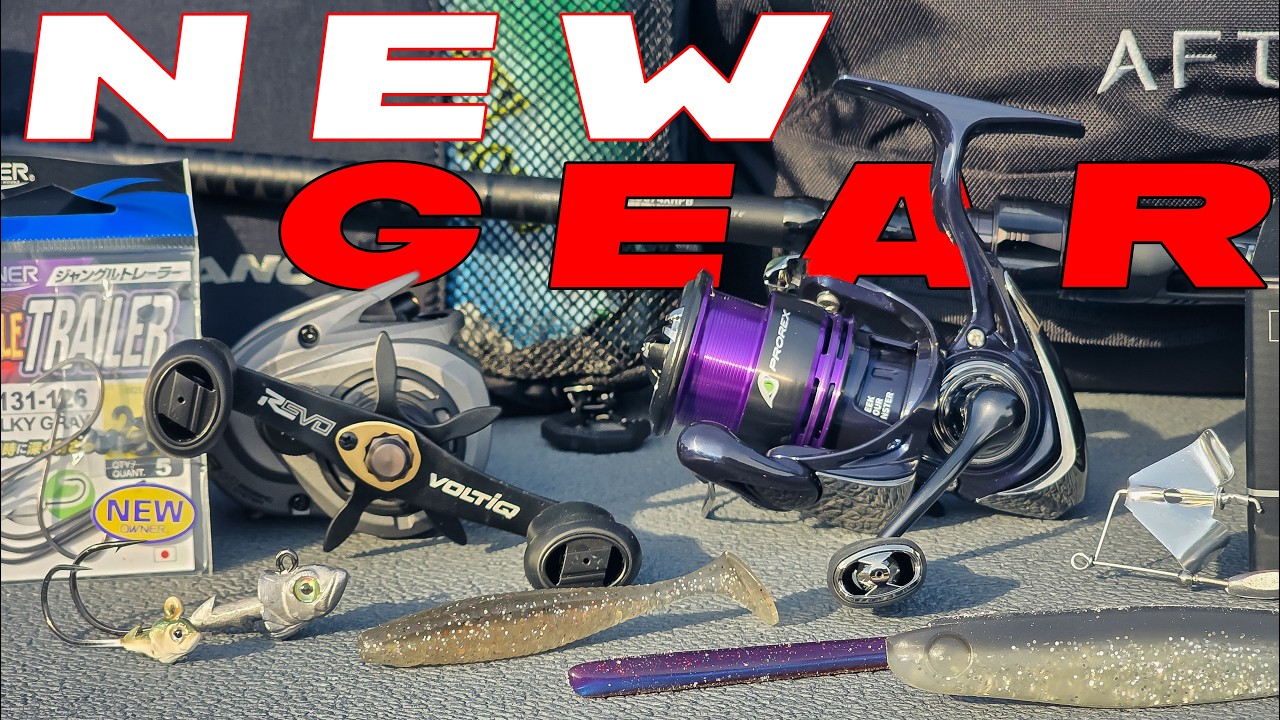
Equipping oneself with the appropriate gear can make all the difference in experiencing memorable pike fishing adventures. Expert recommendations put forth both the rod and reel as paramount. A baitcasting reel or a large spinning reel with a high gear ratio, ideally around 6:1 or higher, is optimal for controlling the dynamic fight of larger pike.
In terms of rods, “a medium-heavy to heavy power, fast-action rod between 6'6" and 7'6" in length is ideal,” suggested a tackle specialist. Doing so not only allows longer casts but also enhances hook-setting effectiveness when that inevitable strike occurs.
" and 7'6"
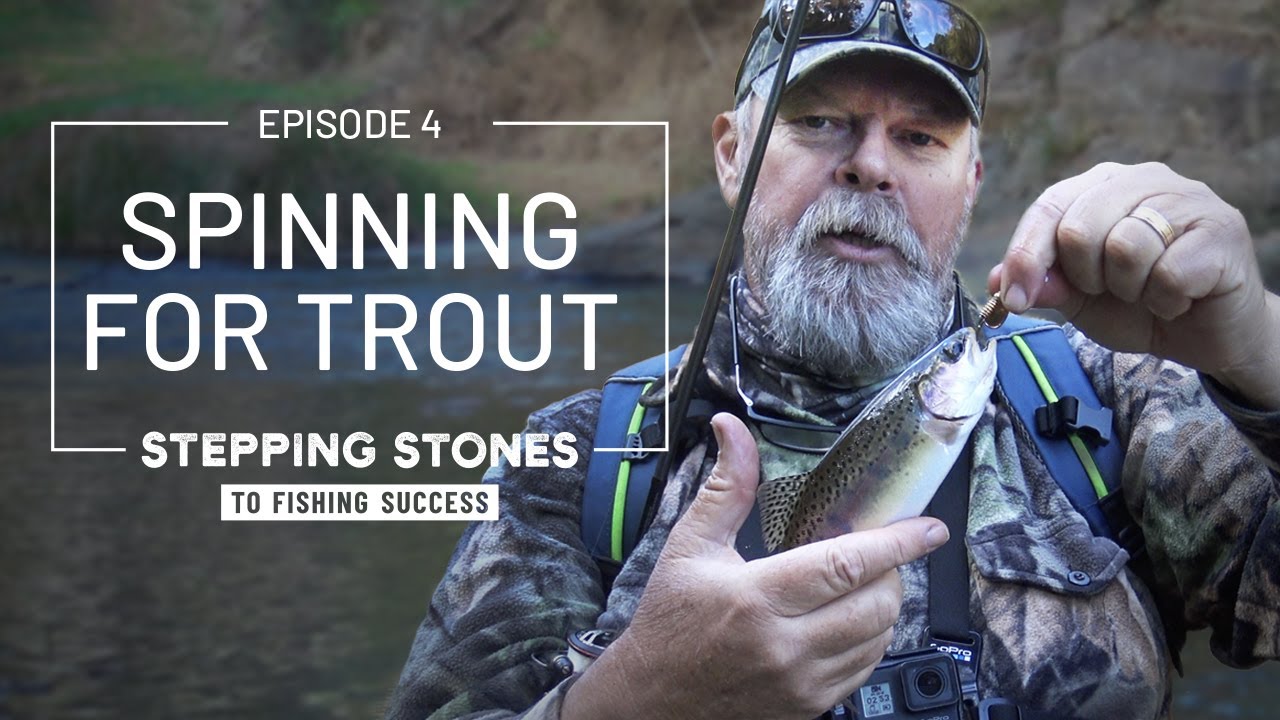
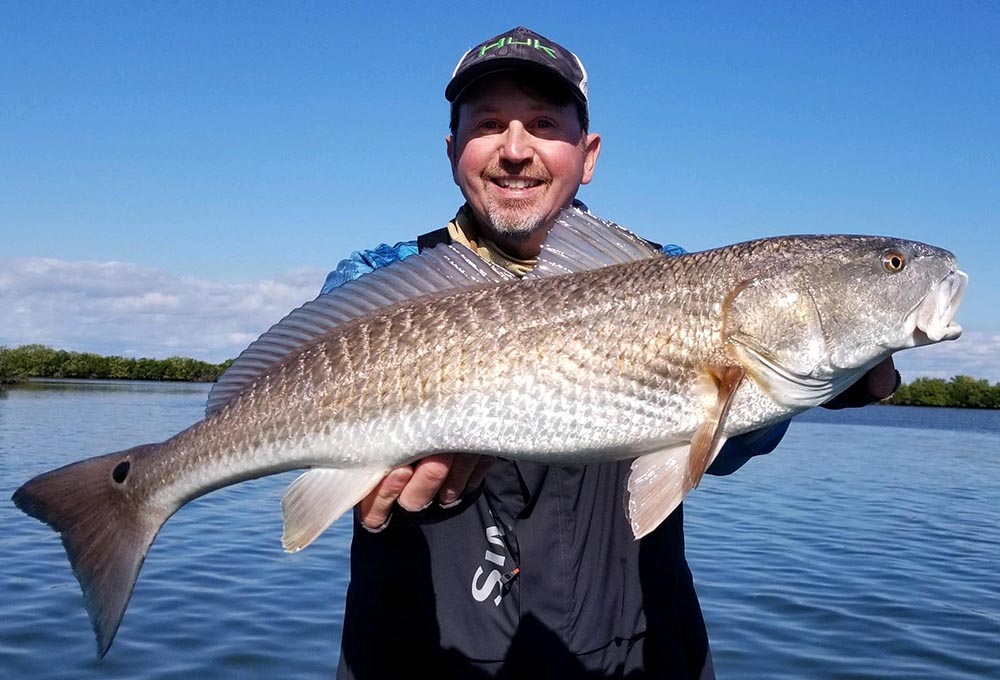
Adding onto the tackle considerations, using a steel or fluorocarbon leader is advised to equip anglers against pike's infamous sharp teeth. “Always use a steel or fluorocarbon leader (20-50 lb test) to prevent pike from biting through the line,” shared one veteran angler. Braided line also plays a role here, boasting a strength that supports both casting distance and durability with a recommended 30-50 lb test.
The choice of lures and baits is another exciting element of pike fishing. Pike are known for their aggressiveness, often attacking a variety of both artificial and live baits. For those looking to lure them in, “large, flashy spinnerbaits are great for attracting pike in weedy or shallow areas,” explained a local expert. Spinnerbaits produce vibrations and flashes that effectively mimic natural prey, including colors such as white, chartreuse, red, and black.
Classic options like spoons also remain popular among pike anglers. “Their erratic wobbling action mimics a wounded baitfish,” shared an experienced fisherman, highlighting their versatility in various depths. Equally effective are crankbaits and jerkbaits, which can be utilized at different depths. “Jerkbaits, in particular, can be retrieved with a stop-and-go motion to trigger strikes,” another expert noted.
For anglers preferring live bait, larger fish such as shiners, suckers, and chubs have proven irresistible. Some believe that employing a float rig or bottom rig based on the water's depth enhances effectiveness.
Championship Implications
For those seeking an adrenaline rush, exploring advanced fishing techniques becomes vital. Power fishing is a favored strategy, employing large, fast-moving lures to cover extensive waters. “Cast to potential ambush points such as weed edges, submerged logs, or rocky drop-offs,” suggested a widely respected fishing guide, as this approach often provokes reaction strikes.
In conclusion, mastering pike fishing is fundamentally about understanding both the fish and your equipment. As the seasons shift and conditions change, the art of targeting pike can transform any amateur angler into a seasoned expert. With the right knowledge and techniques, the thrill of pike fishing awaits those brave enough to take on the challenge.