Perch fishing has emerged as one of the UK's most popular angling pursuits, with these spirited predators attracting enthusiasts across the country's diverse waterways. From urban canals to sprawling reservoirs, British anglers are discovering the accessibility and excitement that perch fishing offers to practitioners at every skill level.
"Perch are incredibly accessible for anglers at all levels," explained a representative from Lureset, a UK predator fishing tackle specialist. This growing popularity has sparked increased interest in understanding the nuanced techniques and seasonal strategies that separate successful perch anglers from casual enthusiasts.
"Perch are incredibly accessible for anglers at all levels,"

The key to consistent perch fishing success lies in understanding their seasonal behavior patterns, which shift dramatically throughout the year. Spring marks a pivotal period as rising water temperatures trigger increased activity levels. During these crucial months, perch migrate toward shallower margins, particularly around marinas and canal shelves, as they prepare for spawning season. Anglers find the most success targeting structures where warmer water pockets naturally collect.

Career Journey
Summer brings distinctive feeding patterns that savvy anglers have learned to exploit. Perch demonstrate their predatory nature by actively pushing fry into marginal areas while seeking shelter under bridges and moored boats. The timing of summer fishing proves critical, with early morning and late evening sessions typically producing the best results. "During bright midday sun, they may drop deeper or hide under structure," noted the fishing expert, highlighting the importance of adapting techniques to changing light conditions.
"During bright midday sun, they may drop deeper or hide under structure,"
Autumn represents what many consider the pinnacle of perch fishing – trophy season. As water temperatures begin to drop, perch instinctively feed more aggressively, building reserves for the challenging winter months ahead. This seasonal urgency creates ideal conditions for targeting larger specimens, with fish forming substantial shoals around drop-offs, boat channels, and deep reed edges. "Autumn is the best time for big lures and bold colours," the expert emphasized, reflecting the need to match bait size to the fish's increased appetite.
"Autumn is the best time for big lures and bold colours,"
Winter presents unique challenges as cold water significantly slows perch metabolism. During these months, fish group tightly in deeper refuges – slow river bends, marina basins, and other protected areas where vertical presentations and finesse techniques become essential tools for success.
Understanding perch feeding preferences provides another crucial advantage for serious anglers. These ambush predators maintain a diet rich in small baitfish including roach, bleak, and minnows, supplemented by various crustaceans and invertebrates. Their hunting strategy relies heavily on cover, shade, and depth transitions – knowledge that allows experienced anglers to identify prime fishing locations quickly.
"They feed most confidently during low light conditions — dawn, dusk, and overcast days," the fishing expert noted, emphasizing timing's critical role in fishing success.
"They feed most confidently during low light conditions — dawn, dusk, and overcast days,"
Impact and Legacy
Water clarity and weather conditions significantly influence fishing strategies and lure selection. Clear water demands subtle approaches using natural colors, finesse rigs, and longer leaders to avoid spooking wary fish. Conversely, colored water opens opportunities for bold color choices like chartreuse and firetiger patterns that create maximum visibility.
Weather patterns also play a decisive role in perch location and behavior. Wind activity pushes baitfish toward windward banks, creating feeding opportunities that alert anglers can capitalize on. "Rain can activate perch in shallow water, while bright sun often means deeper edges and shaded structures are more productive," the tackle specialist explained.
"Rain can activate perch in shallow water, while bright sun often means deeper edges and shaded structures are more productive,"
Proper equipment selection forms the foundation of successful perch fishing. Rod length between 6'6" and 7'3" proves optimal for UK waters, with shorter options providing superior control in confined canal spaces while longer rods facilitate distance casting in open reservoirs. Rod action choice depends on intended techniques – fast action rods deliver better sensitivity for bottom-contact methods, while moderate action variants work better with treble hook lures like crankbaits.
" and 7'3"
Reel selection focuses on balance and functionality, with 1000-2500 size spinning reels offering the ideal combination of lightness and capability. Gear ratios between 5.2:1 and 6.2:1 provide efficient soft plastic retrieval while minimizing snag risks.
Impact and Legacy
Line choice significantly impacts presentation and success rates. Braided lines ranging from 0.04 to 0.10mm diameter deliver excellent sensitivity and casting distance, while fluorocarbon leaders in 4-8lb test provide essential stealth and abrasion resistance, particularly in clear water conditions.
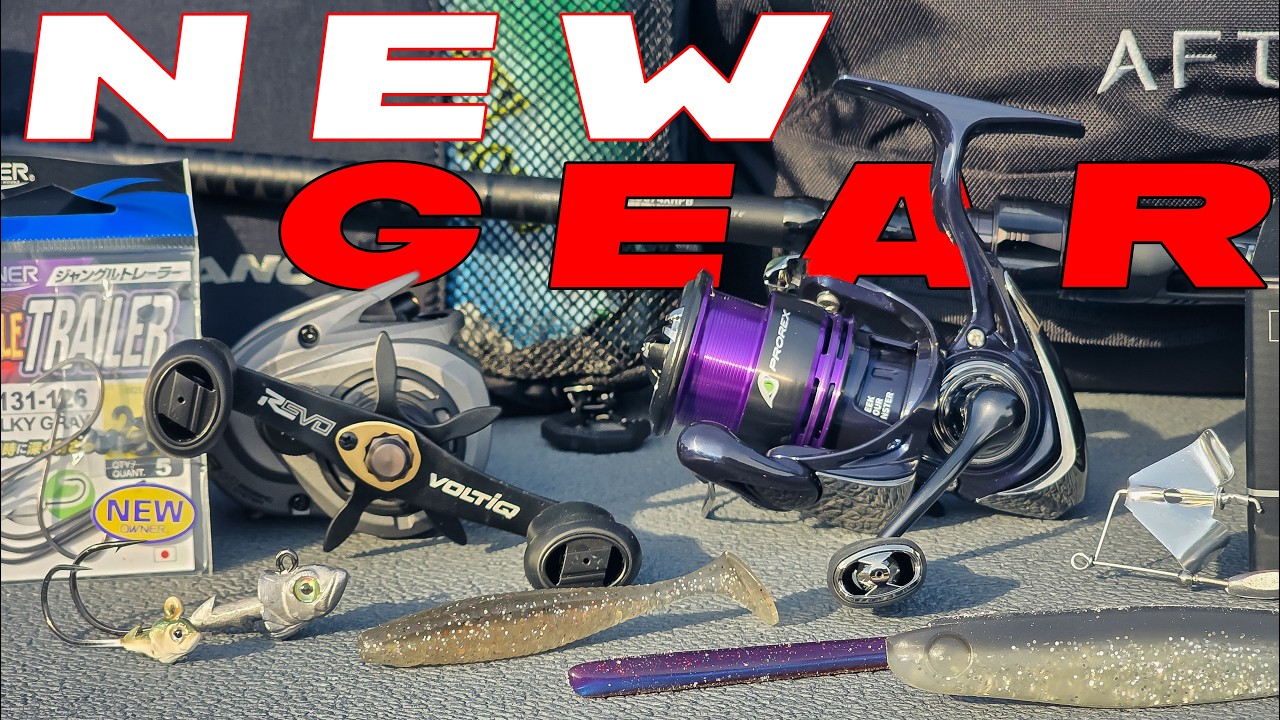
Lure selection rounds out the essential equipment considerations. Soft plastics like paddle tails excel at covering water efficiently across various conditions, with proven performers including Westin ShadTeez Slim and Z-Man Slim SwimZ. Finesse minnows in 2-3" sizes provide subtle movement perfect for pressured fish or cooler conditions, typically fished on dropshot rigs or light jigs for maximum effectiveness.
As perch fishing continues growing in popularity throughout the UK, anglers who master these seasonal patterns and technical considerations position themselves for consistent success across the country's varied fishing venues.