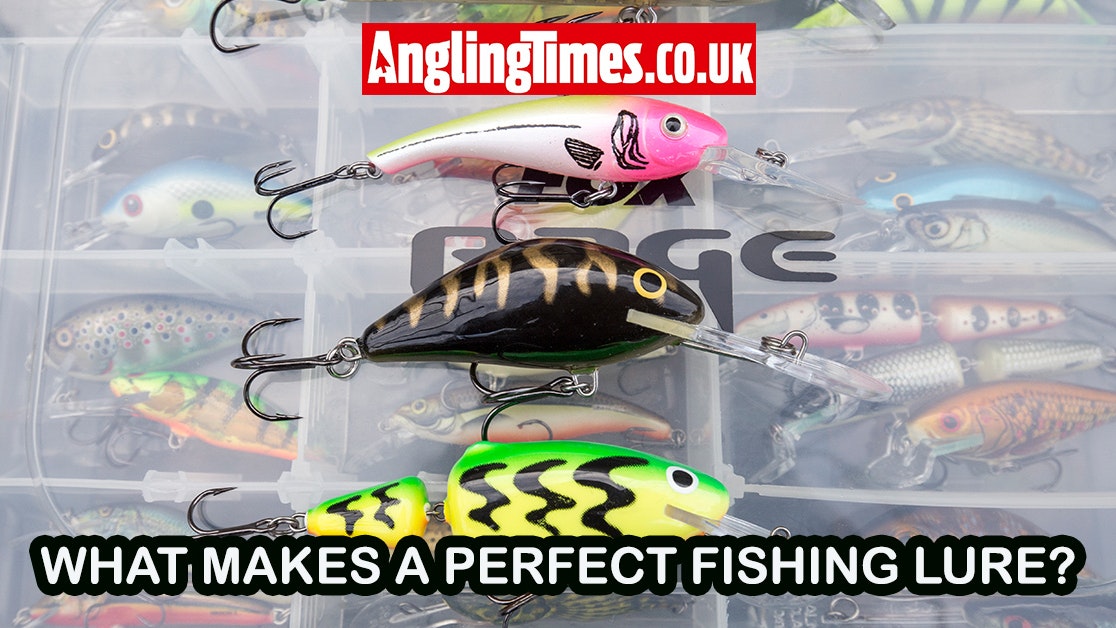
For novice anglers, the myriad shapes, colors, and types of fishing lures can be overwhelming. According to James Furness, a fishing enthusiast, “once you understand the main characteristics of different patterns, lure fishing is actually not that complicated at all.” Despite the variety, many lures simply represent different interpretations of similar ideas by various tackle companies.
A significant challenge in lure fishing is that a lure's effectiveness can vary significantly from day to day. Factors like light levels, temperature, water clarity, and even atmospheric pressure can influence predator behavior and their reaction to specific lure patterns. “This is one of the reasons that pike anglers collect so many ‘artificials’, just like squirrels gather nuts,” Furness noted. “Or it may just be that they are attracted to these shiny lumps of wood and plastic almost as much as the fish!”
To assist anglers in navigating this complexity, a comprehensive look at nine variants of lure anatomy can serve as a helpful guide. These can be broken down into three heads, three bodies, and three tails.


Impact and Legacy
**Hard Lures** are among the most frequently used and are straightforward for any angler to operate. The diving depth of these lures is influenced by the size and angle of their lip. For example, the Rapala Max Rap Fat Minnow features a long lip that can dive to about 3 meters when retrieved vigorously. “Jointed-bodied lures are realistic,” Furness mentions, highlighting their articulated design which produces a snake-like swimming action that attracts predators. He notes, “Most have one joint, but this Savage Gear 4Play lure has three.”
Predators often strike from below, and adding a covering of colorful foil or feather to a hook can elicit a more aggressive response. “Patterns like these Rapala X-Rap Slashbaits offer this feature,” Furness added, emphasizing their utility in improving catch rates.
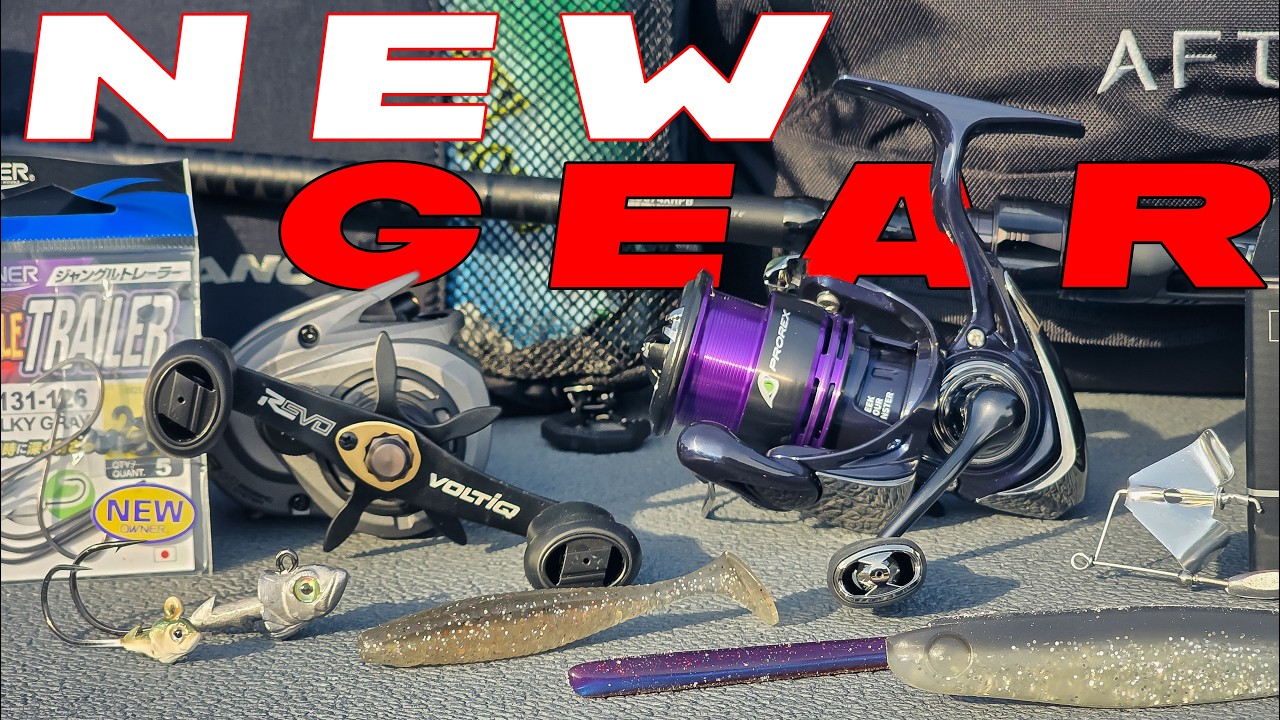
**Soft Plastics** also play a crucial role in an angler’s toolkit. The Rapala Shad Rap Magnum, for instance, is renowned for its stepped nose cone that allows for shallow diving—approximately 1 meter—making it ideal for snaggy waters. “The stepped nose produces a lazy to tight wobbling action, depending on the speed of the retrieve,” Furness explained. The lifelike appeal of rubber-bodied lures, such as the Fox Rage Replicant Wobble, typically encourages predators to hold on for more extended periods, thanks to the strategic placement of hooks.
In contrast, curly tails, exemplified by the Eco Gear Para Max, may not be as common as flat-tailed options but offer an enticing vibration that can lure fish in. “The difference is that the curly tails produce a more subtle vibration and action, while the turning tail appeals visually,” Furness described.

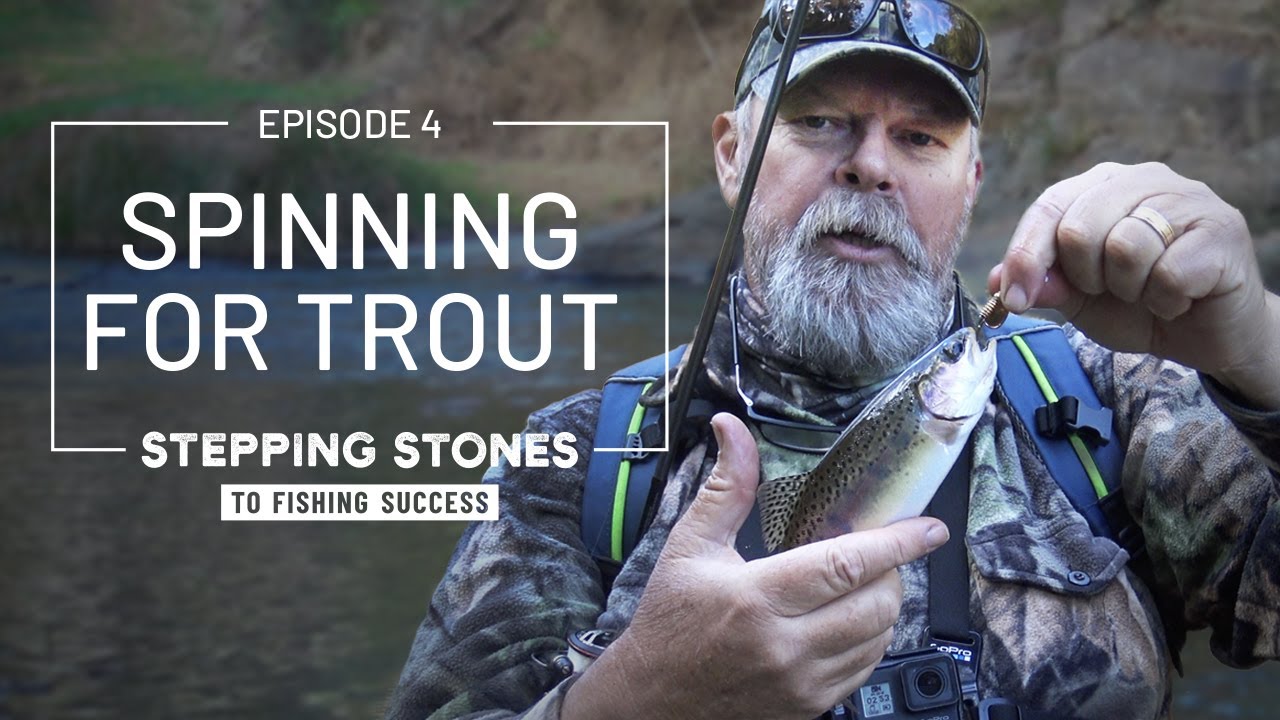
In addition to these basics, various **Extra Features** found in many lures can enhance their performance. Lures with concave heads create a distinctive popping sound on the surface that displaces water and generates vibrations. “They’re great fished around reeds and lilies, or close to structures,” Furness advised.
For zander anglers, those lures equipped with internal rattles are particularly effective, as they produce a substantial amount of noise and vibration. “In coloured water, this type of lure can make all the difference between a bite and a blank,” he said. Furthermore, rubber paddle tails offer a unique wobble when retrieved, generating significant vibrations. “The broad, flat tail of this Fox Rage Pro Shad gives it a distinct action. Fish it from the bank, or troll it slowly behind a boat,” Furness suggested.
While selecting the perfect lure involves understanding various features and conditions, the key to successful lure fishing lies in adaptability. With the right knowledge and appropriate tactics, anglers can significantly enhance their chances of landing a prized catch.
Looking Ahead
As anglers gear up for future fishing adventures, it's essential to keep in mind that experimentation, coupled with an understanding of how different lures operate, is vital for success in the water.