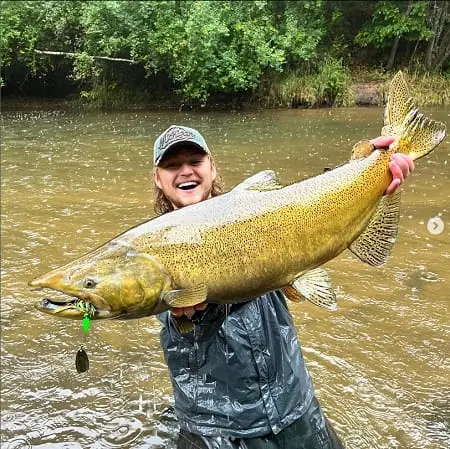
Catching salmon using lures in river environments requires a deep understanding of the fish’s behavior and the conditions at play. It's not just about tossing lures into the water; successful anglers need to employ precise methods tailored to trigger strikes from salmon.
"As a salmon guide for the last 22 years, I’ve honed techniques that are proven to work effectively in various conditions," said Graham, an experienced fishing guide. He emphasizes that many anglers miss out on opportunities by not utilizing these methods in combination with proven lure types.
"As a salmon guide for the last 22 years, I’ve honed techniques that are proven to work effectively in various conditions,"

To begin successfully targeting salmon, Graham outlines a 5-step process that focuses on the interplay between technique and gear.

"Good lure anglers will work their lures in ways that trigger a strike response, which means more fish," Graham explained. By adapting their methods, experienced fishers can better engage salmon.
"Good lure anglers will work their lures in ways that trigger a strike response, which means more fish,"
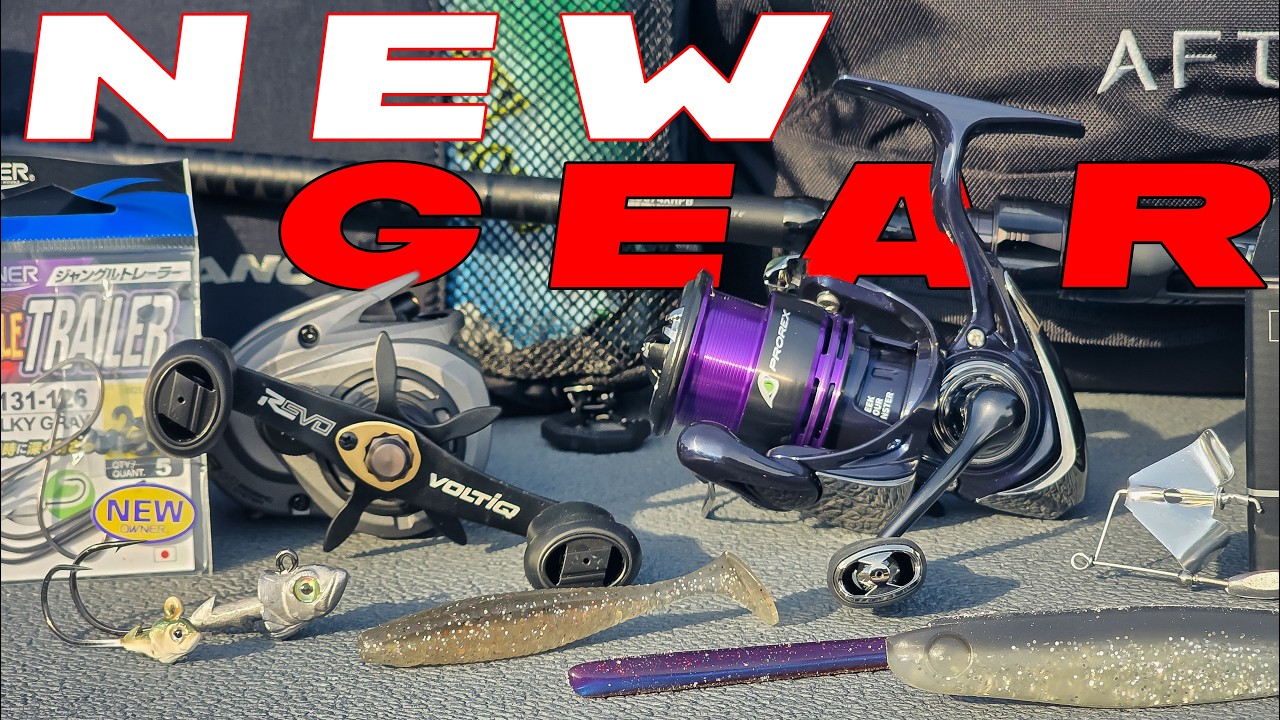
First, understanding depth is crucial. "Knowing how deep your lure is, how to get it deep enough, and how to keep it in the salmon’s strike zone is critical to success," he noted. This depth awareness allows anglers to present their lures where salmon are most likely to bite.
"Knowing how deep your lure is, how to get it deep enough, and how to keep it in the salmon’s strike zone is critical to success,"
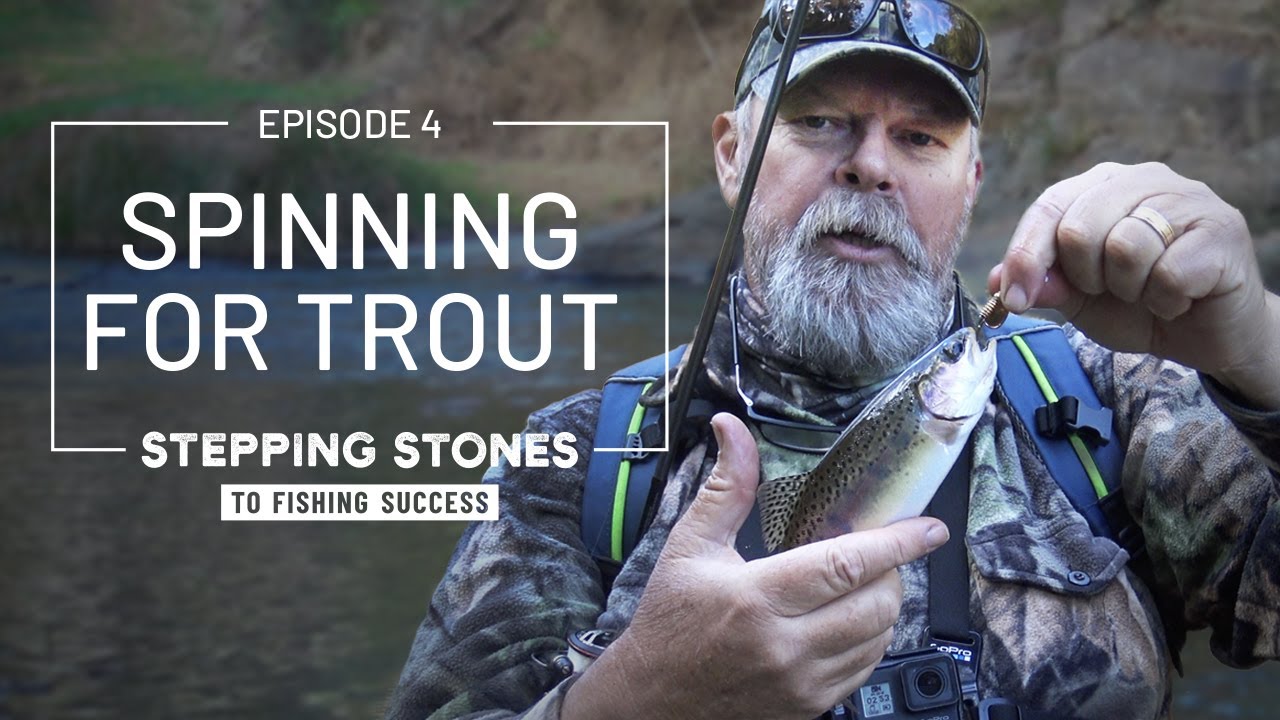
Moreover, the approach to covering water is equally significant in increasing catch rates. "I use a systematic approach to covering the water, which enables my clients and me to catch a lot more steelhead," Graham said. This involves intentional casting strategies designed to place lures where salmon are more concentrated.
"I use a systematic approach to covering the water, which enables my clients and me to catch a lot more steelhead,"
Additionally, reading the river's currents and spots is paramount. Graham remarked, "Learning how to read the river and determine where the salmon hold is required so you know where to fish with your lures." This wisdom allows fishers to predict salmon behavior effectively.
When it comes to gear, the importance of proper equipment cannot be understated. Graham recommends using an eight to nine-foot medium-heavy or heavy rod paired with a 4000 to 4500-size reel and suitable fishing lines. He suggested, "A fluorocarbon leader and snap swivel can also be used to enhance effectiveness."
As for the choice of lures, he mentioned varying types that work best for salmon: jigs, crankbaits, spoons, spinners, and Kwickfish each have unique strengths.
"Jigs will work well in all types of water but can be the most effective lure in small pocket water or around large boulders," Graham noted. He emphasized the waist-deep effectiveness of jigs, particularly during specific conditions.
"Jigs will work well in all types of water but can be the most effective lure in small pocket water or around large boulders,"
Switching gears, Eli from SBS Outdoors Action offered insights into lure sizes and colors. "It’s essential to know which lure to use, as well as the best sizes and the best colors based on the conditions," Eli said. Adapting to the fish's preferences can lead to immediate success or disappointment.
"It’s essential to know which lure to use, as well as the best sizes and the best colors based on the conditions,"
Race Results
As Alex from Fire Plug Charters wisely pointed out, "Salmon can often be picky about the lure or the action of the lure." A quick switch to a different lure can lead to immediate results, validating the need for a well-stocked assortment tailored for various conditions.
"The action and the look of the lure are extremely important and are often what triggers the salmon to aggressively bite," he noted. Having various lures allows fishers to adapt quickly to the whims of the salmon.
"The action and the look of the lure are extremely important and are often what triggers the salmon to aggressively bite,"
Eli shares, "I change lures, colors, and sizes frequently when the fish are not biting, and I will stick with working lures until I find what works."
The meticulous attention to detail in lure fishing not only leads to a better catch but also fosters a deeper connection between the angler and nature. Fishers willing to embrace these techniques can significantly elevate their chances of landing salmon this season.
Looking Ahead
As further advancements in fishing technology emerge, anglers can expect continued evolution in lure fishing practices, driven by insights from experienced professionals. The future of salmon fishing promises to be as dynamic as the waterways themselves.