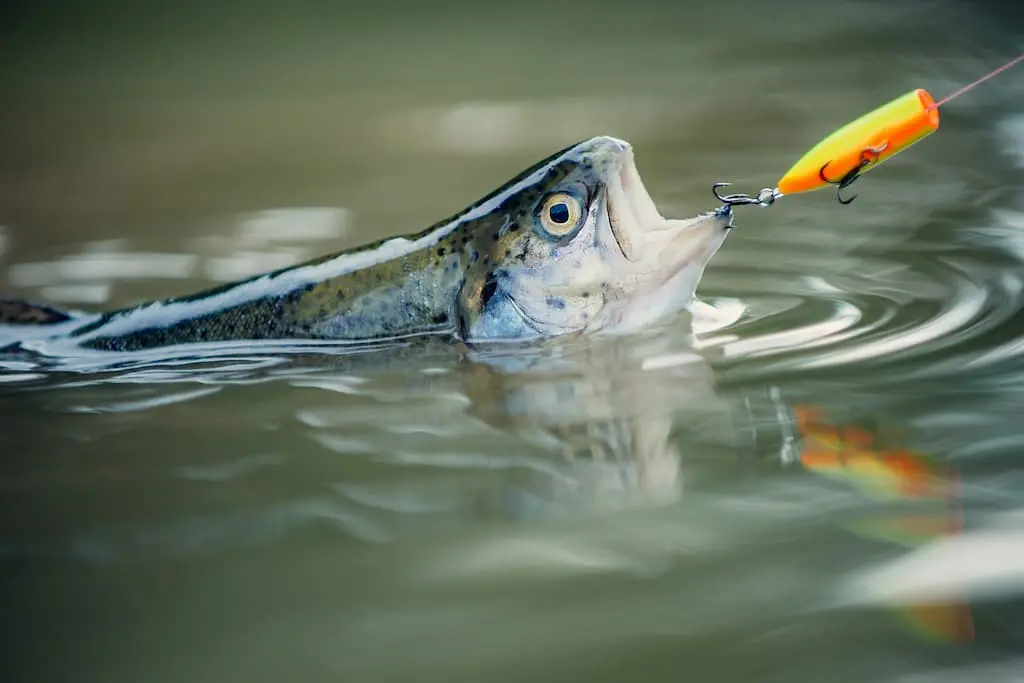
Lure fishing, often referred to as spinning, is a dynamic method that truly tests an angler's expertise. By deploying artificial lures designed to imitate the natural prey of fish, this technique is especially effective for enticing predatory species such as pike, zander, and various salmonids. The emotional thrill associated with the chase makes this fishing style particularly engaging.
"Fishing with lures mainly relies on deceiving fish by mimicking their prey," explained David Tomasi, a seasoned angler. The fundamental goal is to provoke the fish’s predatory instincts, creating the illusion of an easy meal. Factors such as lure color, size, and movement play pivotal roles in this endeavor.
"Fishing with lures mainly relies on deceiving fish by mimicking their prey,"

Choosing the right equipment is essential in mastering lure fishing. The fishing rod, for instance, should be meticulously selected. A rod measuring between 3 to 4 meters (10 to 13 feet), featuring semi-parabolic action and a power rating of 3 to 3.5 lbs, is advised. This configuration is optimal for casting different types of lures with precision and power.

"A light yet durable fixed spool reel is crucial," noted Tomasi. "The reel should hold enough line — approximately 820 feet or 250 meters — and possess an effective brake to manage fish during the fight efficiently." This combination of rod and reel allows anglers to thrive during the exhilarating active moments of fishing.
"A light yet durable fixed spool reel is crucial,"
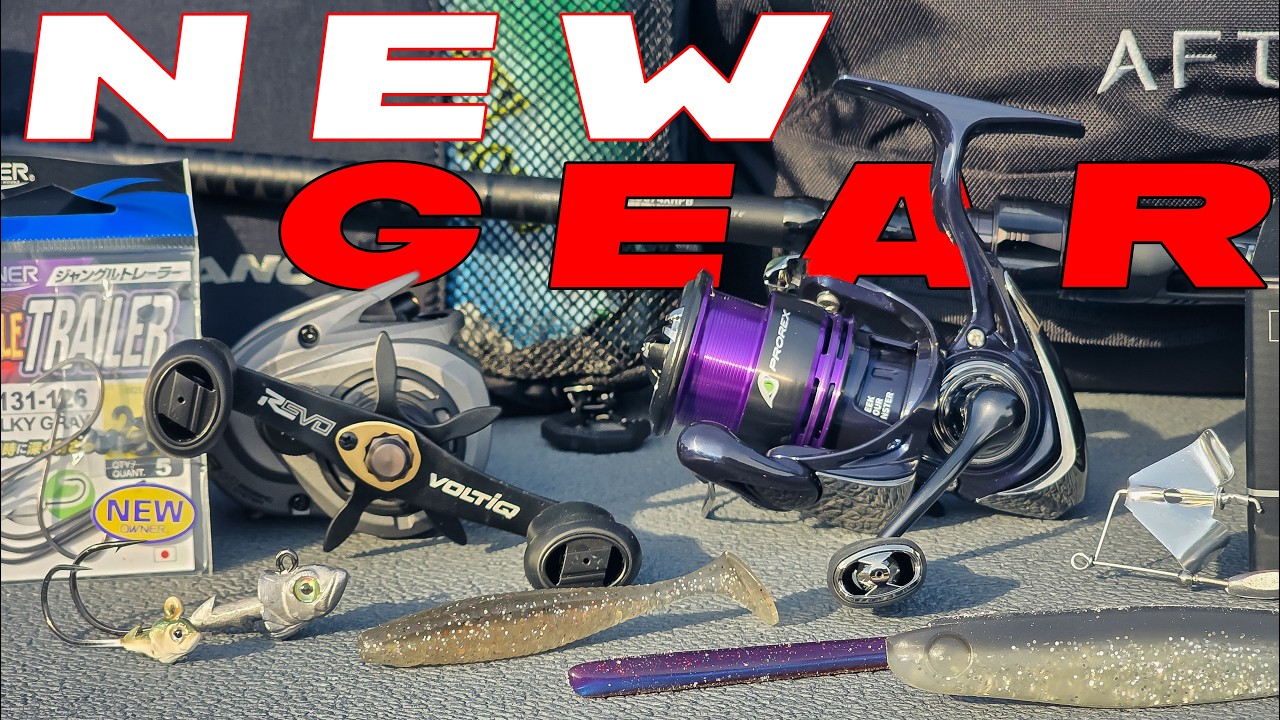
The fishing line is another critical component. Many experienced anglers prefer high-quality nylon owing to its resistance to abrasion and knots, while fishing braids deliver notable strength and enhanced feedback. "Using a fluorocarbon leader can significantly improve your catch rate," Tomasi suggested, highlighting its low visibility underwater as an advantage.
"Using a fluorocarbon leader can significantly improve your catch rate,"
Fishing accessories also deserve attention. Essential items like swivels, rings, and clips ensure robust assembly, minimizing the chances of losing a catch through gear failures.
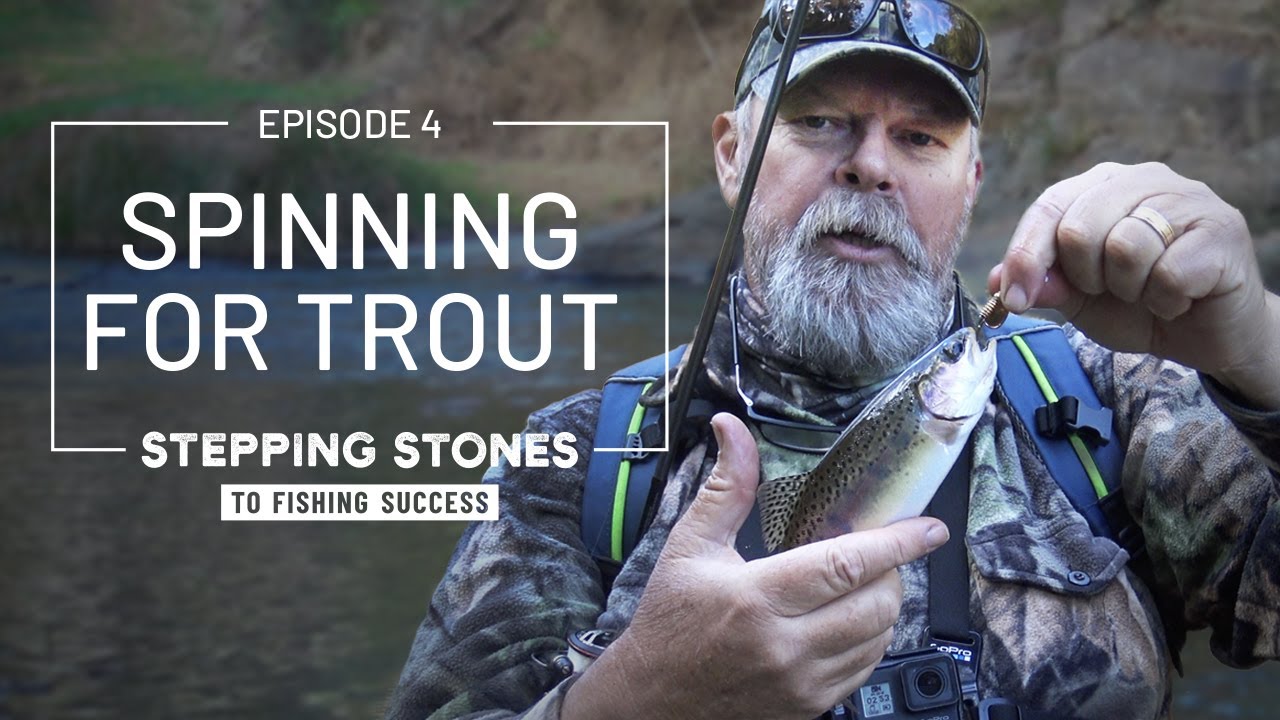
The artistry of lure animation cannot be overlooked. Depending on the type of lure and environmental factors, anglers must master various animation techniques. Whether employing jerky movements, sudden pauses, or more understated actions, the objective remains the same: to captivate the fish. "There’s a wealth of lure types from soft baits to hard baits, each requiring unique animation skills to master," Tomasi stated.
"There’s a wealth of lure types from soft baits to hard baits, each requiring unique animation skills to master,"
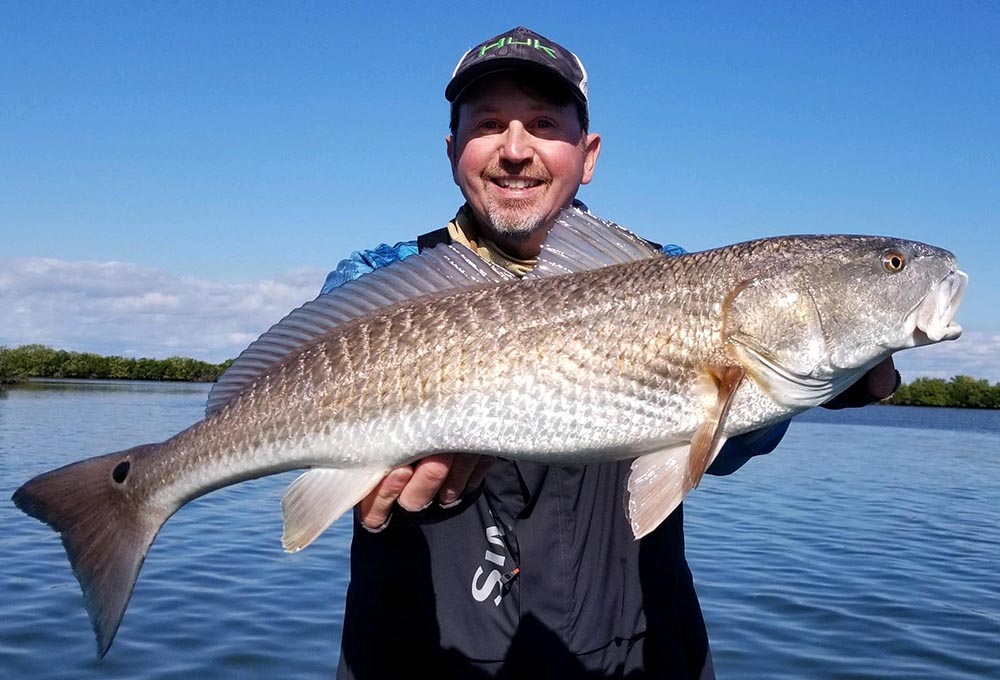
Successful lure fishing extends beyond simply casting and retrieving. Identifying prime fishing spots is vital. Predatory fish are often located near underwater structures, in weedy areas, or along strong current lines. Observational skills, coupled with modern technologies such as sonar, significantly aid in pinpointing these hotspots.
"It's essential for anglers to adapt to the ever-changing conditions of the water," emphasized Tomasi. Factors such as light conditions, water clarity, and fish behavior can dictate necessary adjustments in lure selection. For example, vibrant lures may work wonders in murky waters, whereas more natural-looking options are preferable in clearer environments.
"It's essential for anglers to adapt to the ever-changing conditions of the water,"
Ultimately, lure fishing represents a multifaceted pursuit. It demands not only patience but also keen observation and the adaptability to succeed in varying conditions. "It's a respectful, sportsmanlike way to fish, offering unique thrills and memorable moments in nature," concluded Tomasi. Anglers who embrace these principles can enjoy countless rewarding experiences by the water’s edge.
"It's a respectful, sportsmanlike way to fish, offering unique thrills and memorable moments in nature,"