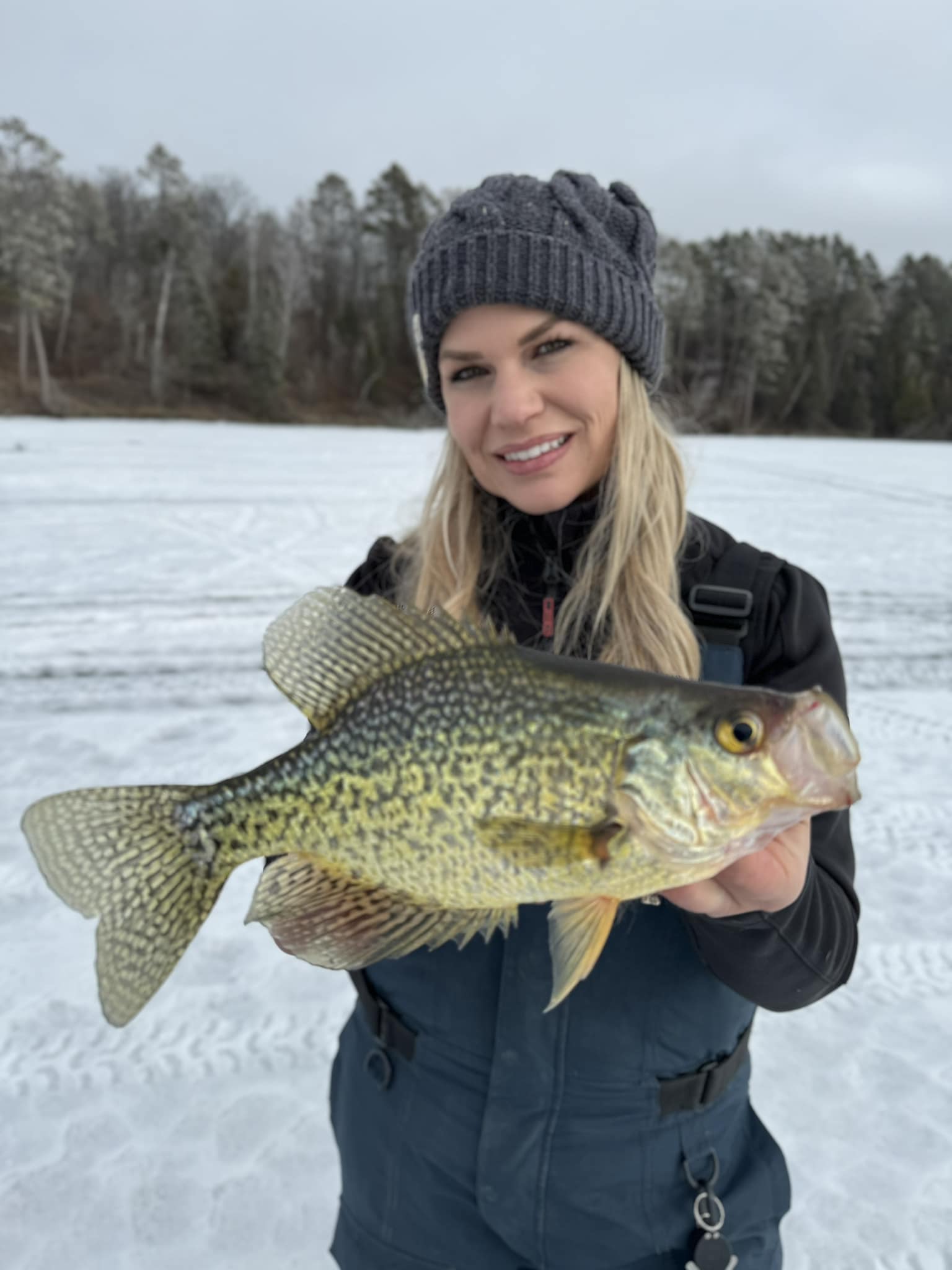
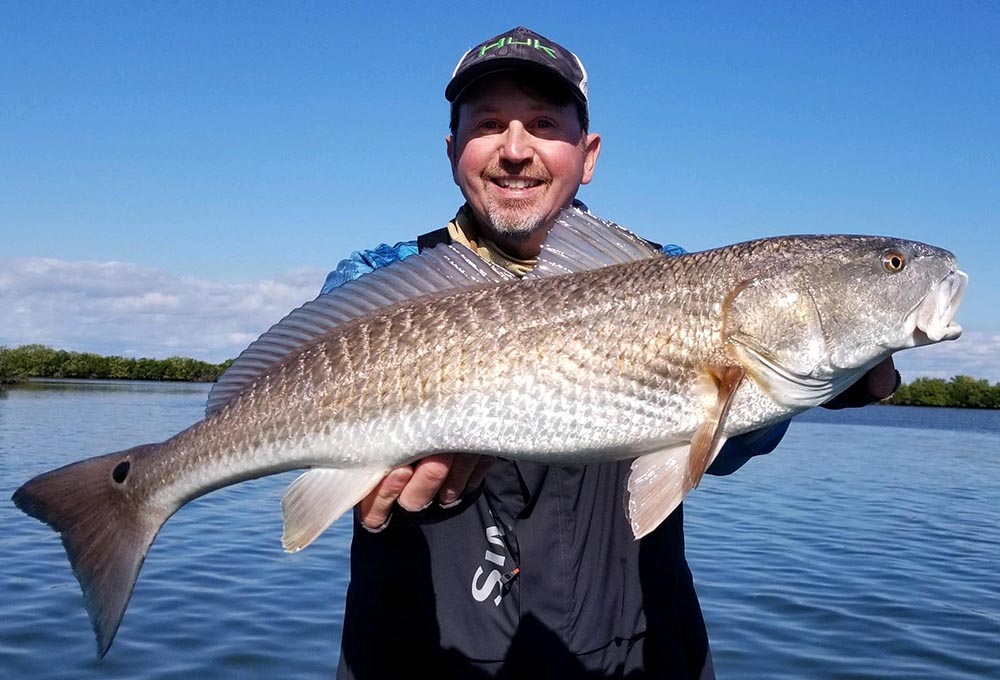
Across the vast landscapes of Texas, fishing is experiencing a renaissance as more residents discover the profound connection between outdoor recreation and personal well-being. The Lone Star State's diverse aquatic ecosystems, from serene rivers to expansive coastal bays, are drawing both seasoned anglers and newcomers to what many consider more than just a hobby—a way of life.
The appeal extends beyond the simple act of casting a line. For many Texans, fishing represents an opportunity to create lasting memories with family and friends while immersing themselves in nature's tranquility. This growth in interest has prompted Texas Parks and Wildlife to emphasize the importance of responsible fishing practices, reminding enthusiasts to "support the sport and buy a fishing license and fish responsibly."
The agency's message underscores a critical balance: enjoying Texas's abundant fishing opportunities while ensuring their preservation for future generations. This dual focus on recreation and conservation reflects a broader understanding that today's anglers serve as stewards of the state's aquatic resources.

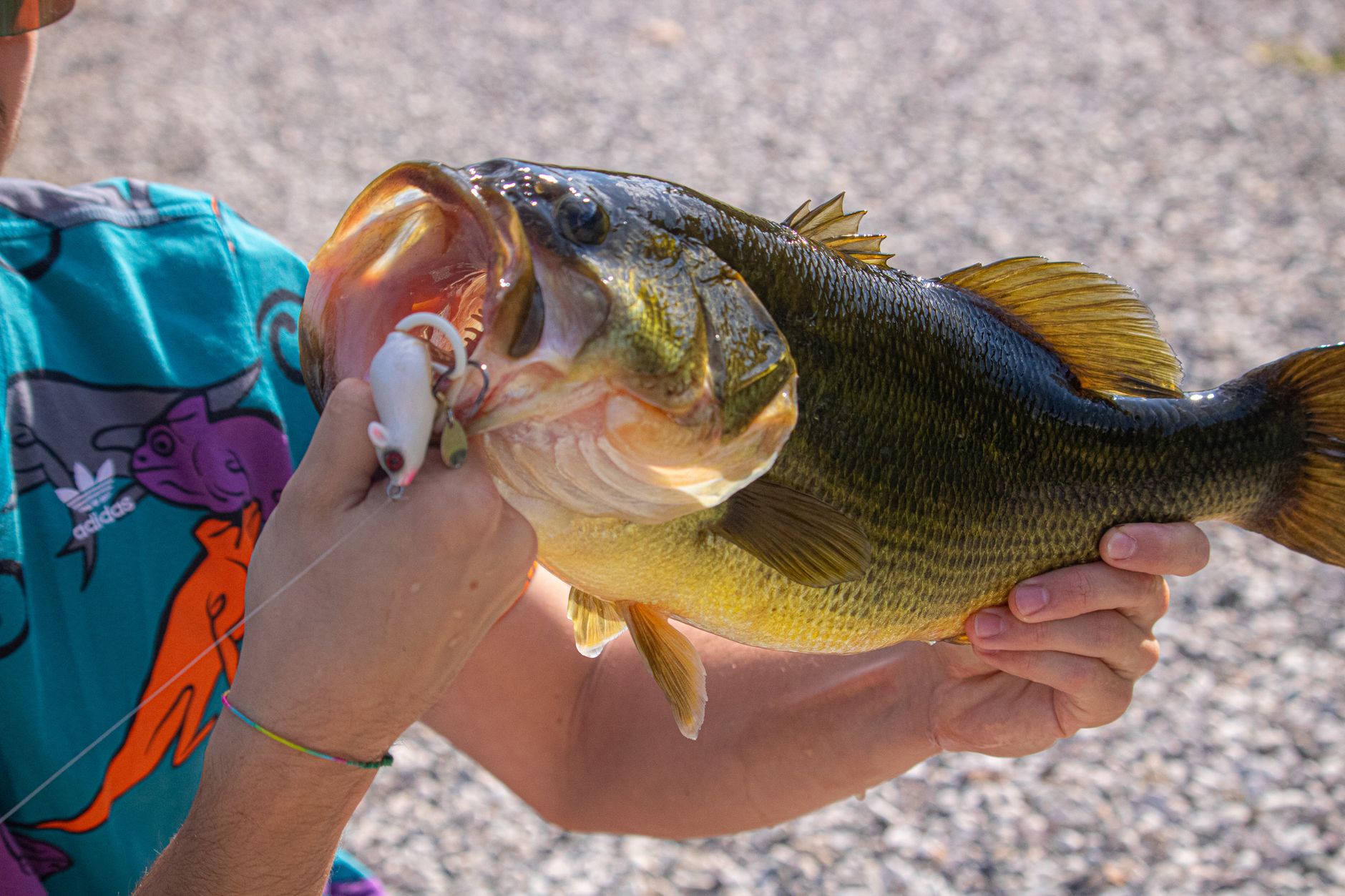
For newcomers entering the fishing world, the array of equipment and techniques can seem overwhelming. Understanding the basics of fishing tackle represents the first step toward successful angling experiences. The foundation begins with selecting appropriate hooks, where experts recommend circle hooks for beginners due to their fish-friendly design and effectiveness.
"Circle hooks are great for beginners and safe for fish," notes a seasoned angler, highlighting how proper equipment choices can benefit both the angler's success rate and fish welfare. The recommendation extends to barbless hooks, which facilitate easier catch-and-release practices—a growing trend among conservation-minded anglers.
"Circle hooks are great for beginners and safe for fish,"
Fishing line selection proves equally crucial, with pound-test strength serving as the primary measurement standard. Industry experts emphasize matching line strength to both rod and reel capabilities and target species. "Match your fishing line to your rod and reel capability and the species of fish you want to catch," advises one fishing expert, noting that proper line selection can mean the difference between landing a prize catch and watching it swim away.
"Match your fishing line to your rod and reel capability and the species of fish you want to catch,"
Sinkers play multiple roles in successful fishing strategies, from enabling longer casts to maintaining bait at optimal depths and stabilizing bobbers. The general guideline places sinkers approximately four inches above the hook, though specific techniques may require adjustments based on conditions and target species.
Bobbers, often underestimated by beginners, serve multiple functions that can significantly improve fishing success. According to fishing guides, "They keep your bait where the fish are biting, keep bait off the bottom, and let you know when you're getting a bite." These simple devices come in various designs, each offering specific advantages for different fishing scenarios.
Beyond equipment, successful fishing requires mastering fundamental techniques including casting, knot-tying, and bait selection. These skills vary considerably depending on fishing environment and target species, creating a learning curve that many find both challenging and rewarding.
For those feeling overwhelmed by the multitude of choices and techniques, the fishing community offers valuable support. "Ask a seasoned angler or a bait and tackle dealer for suggestions," represents practical advice that taps into the collaborative spirit common among fishing enthusiasts. This mentorship tradition helps newcomers navigate complex decisions while building connections within the angling community.
"Ask a seasoned angler or a bait and tackle dealer for suggestions,"
Texas's diverse aquatic environments present unique opportunities and challenges. The state's waters host numerous freshwater and saltwater species, each requiring specific tactics and bait approaches. From small farm ponds to expansive coastal bays, each environment offers distinct experiences and learning opportunities for developing anglers.
Safety considerations remain paramount as fishing participation grows. Weather awareness, proper gear maintenance, and understanding local regulations form the foundation of safe fishing practices. These basics become even more critical as anglers explore new waters and techniques.
Ethical fishing practices have gained prominence as awareness of environmental stewardship increases. "We're all stewards of our waters," emphasizes a fisheries management expert, reflecting the growing recognition that recreational anglers play a vital role in conservation efforts. This stewardship extends beyond individual fishing trips to encompass broader ecosystem health and sustainability.
"We're all stewards of our waters,"
Understanding regulations, including size and bag limits, represents a fundamental responsibility for all anglers. Additionally, awareness of invasive species helps maintain the ecological balance that supports healthy fish populations and diverse fishing opportunities.
The regulatory framework serves dual purposes: protecting fish populations while ensuring sustainable recreation opportunities. Texas Parks and Wildlife's licensing requirements support conservation funding while providing educational opportunities about responsible fishing practices.
As Texas fishing culture continues evolving, the emphasis on creating lifelong memories while protecting natural resources reflects broader trends in outdoor recreation. The goal to "create a lifetime of memories" resonates with anglers who view their sport as more than entertainment—it's a tradition that connects generations and fosters environmental appreciation.
"create a lifetime of memories"
Looking Ahead
This growing fishing community represents both opportunity and responsibility. As more individuals embrace angling, the collective impact on Texas waters increases, making responsible practices and conservation awareness more critical than ever. The state's fishing future depends on balancing recreational access with environmental stewardship, ensuring that Texas waters continue supporting both thriving fish populations and memorable angling experiences for generations to come.