For novice anglers stepping into the world of fishing, few decisions are more overwhelming than selecting the right lure from the countless options lining tackle shop walls. With hundreds of styles, colors, and sizes available, understanding which lures work best can make the difference between a successful day on the water and going home empty-handed.
"The right lure mimics natural prey and entices fish to strike," explained a fishing expert, highlighting the fundamental principle behind effective lure selection. This understanding has become increasingly important as fishing continues to grow in popularity, with millions of Americans taking up angling each year.
"The right lure mimics natural prey and entices fish to strike,"

**Decoding the Lure Arsenal**

Fishing lures are sophisticated tools engineered to replicate the movement, color, and vibrations of natural bait such as small fish, insects, and crustaceans. Each type serves a specific purpose and excels in particular fishing scenarios.
Jigs represent one of the most versatile options in any angler's arsenal. These weighted lures feature a hook and are often adorned with soft plastic or feathered tails. Their design makes them particularly effective for deep-water fishing, where they can reach bottom-dwelling species that other lures might miss. The weight allows anglers to maintain contact with the lure even in strong currents or at significant depths.
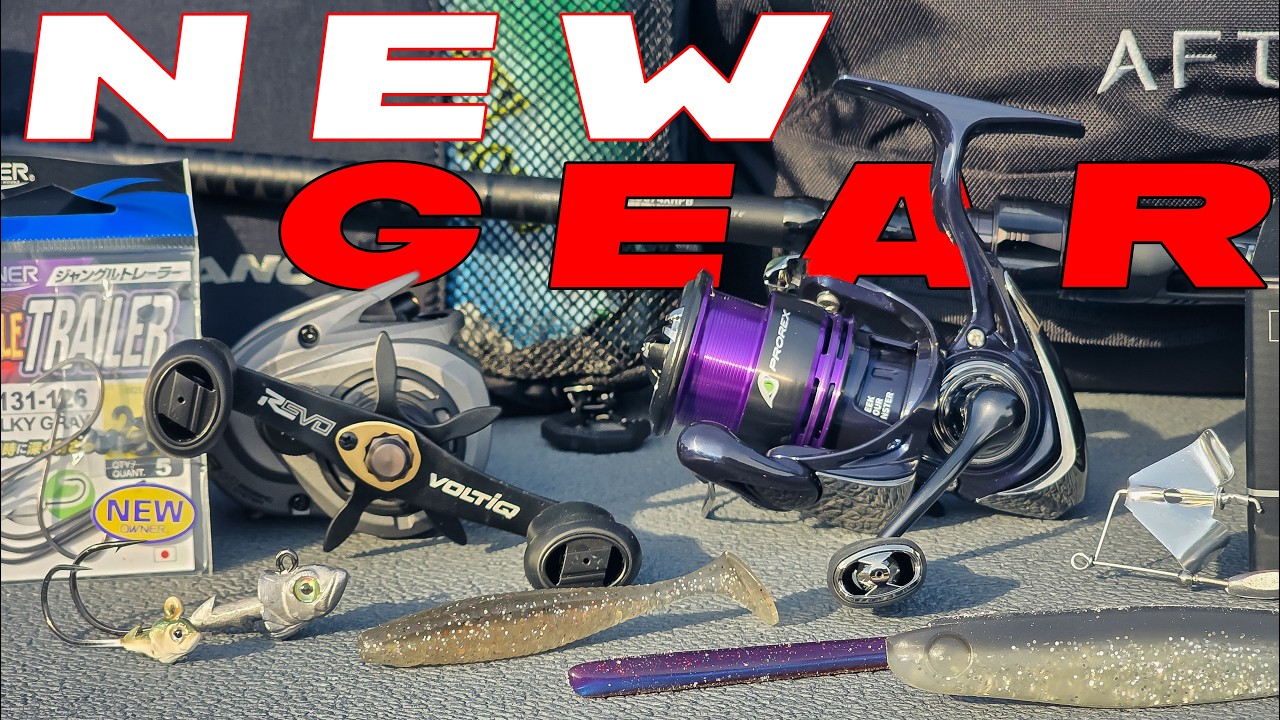
Topwater lures create an entirely different fishing experience, floating on the surface and generating splashes or vibrations that imitate struggling bait or insects. These lures are designed to trigger explosive strikes from aggressive surface-feeding species, often providing some of the most exciting moments in fishing when fish launch themselves out of the water to attack.
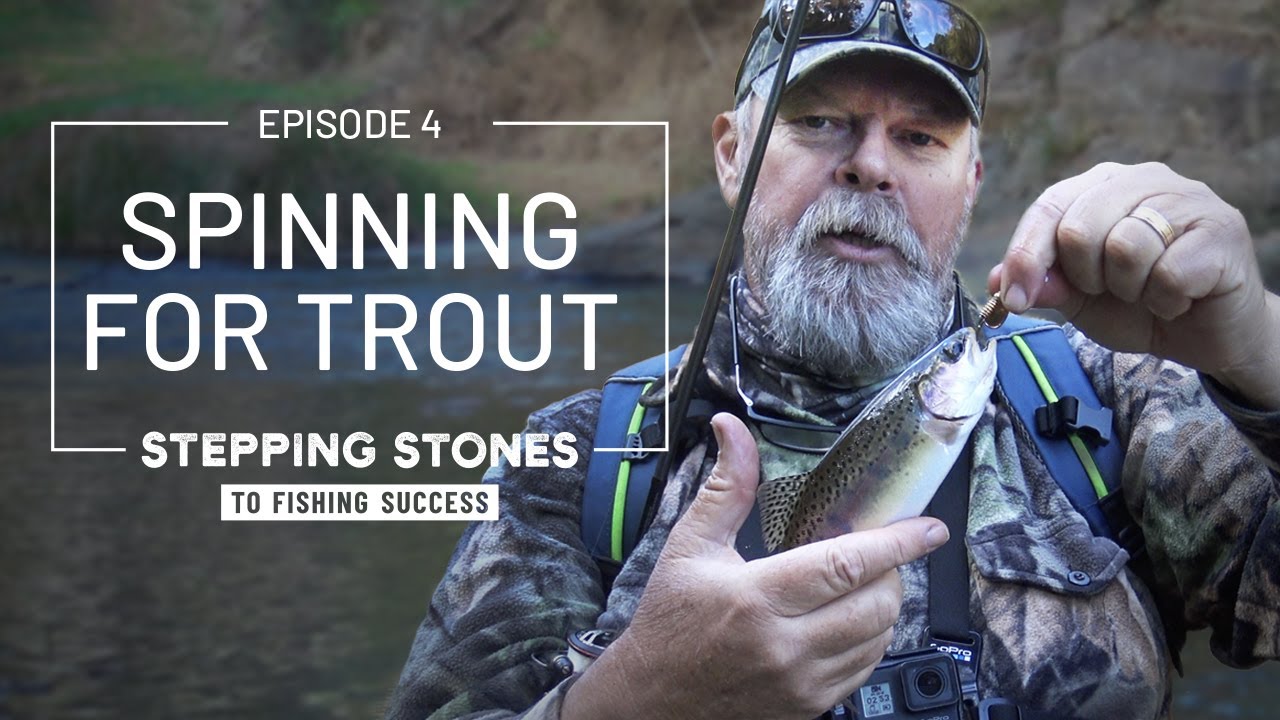
Spinners bring movement and flash to the equation, equipped with rotating metal blades that reflect light and produce vibrations underwater. These characteristics make them particularly appealing to predatory fish like perch and trout, which rely on their lateral line system to detect the vibrations of struggling prey.
Crankbaits offer perhaps the most realistic fish imitation, featuring hard bodies designed to mimic actual baitfish. Available in floating, sinking, and diving models, they provide versatility for fishing at various depths. The different lip designs and body shapes allow anglers to target specific water columns, from shallow flats to deep drop-offs.
Soft plastics have revolutionized modern fishing with their flexibility and realistic feel. These lures can mimic small fish, worms, or crustaceans, making them suitable for both freshwater and saltwater applications. Their soft texture often convinces fish to hold onto them longer, giving anglers more time to set the hook.
**Species-Specific Strategies**
Understanding that different fish species respond to various lure presentations is crucial for consistent success. Bass fishing, one of America's most popular angling pursuits, benefits from a diverse approach. Experts suggest using "soft plastics, spinnerbaits, and topwater lures for explosive strikes" when targeting these aggressive predators.
"soft plastics, spinnerbaits, and topwater lures for explosive strikes"
For saltwater species like kingfish, the game changes entirely. Large poppers and stickbaits become the weapons of choice, as these lures create the fast, aggressive action that triggers strikes from these pelagic hunters. The size and action of these lures match the larger baitfish that kingfish typically pursue.
Snapper fishing requires a more finesse approach, with jigs and soft plastics proving most effective. These lures excel at mimicking the small baitfish that make up the primary diet of these bottom-dwelling species. The ability to work these lures slowly near structure where snapper congregate is key to success.
Trout anglers often find success with smaller presentations, using diminutive soft plastics and natural-colored crankbaits that match the subtle feeding patterns of these often-wary fish.
**Environmental Adaptation**
Impact and Legacy
Successful lure selection extends beyond species targeting to include careful consideration of environmental conditions. Water clarity and light conditions significantly impact lure effectiveness, requiring anglers to adjust their approach throughout the day.
"Darker, more solid colors provide better contrast," noted an experienced angler when discussing cloudy day strategies. This principle helps lures stand out against overcast skies, making them more visible to fish looking upward.
"Darker, more solid colors provide better contrast,"
Conversely, sunny conditions call for bright and metallic hues that catch and reflect light, creating the flash that often triggers strikes. In murky water conditions, experts recommend bright colors like chartreuse and red to enhance visibility, while clear water situations favor subtle colors like silver or brown that closely match natural baitfish appearances.
**Mastering the Presentation**
Possessing the right lure represents only half the equation; knowing how to use it effectively completes the puzzle. The concept of "matching the hatch" – choosing lures that closely resemble local baitfish in size and shape – remains fundamental to success.
"matching the hatch"
Retrieval techniques can make or break a fishing trip. Implementing pauses and erratic movements makes lures appear more lifelike, while varying retrieval speeds addresses different feeding moods. Fast retrieves work well for aggressive feeders, while slower approaches can mimic injured prey, often proving irresistible to opportunistic predators.