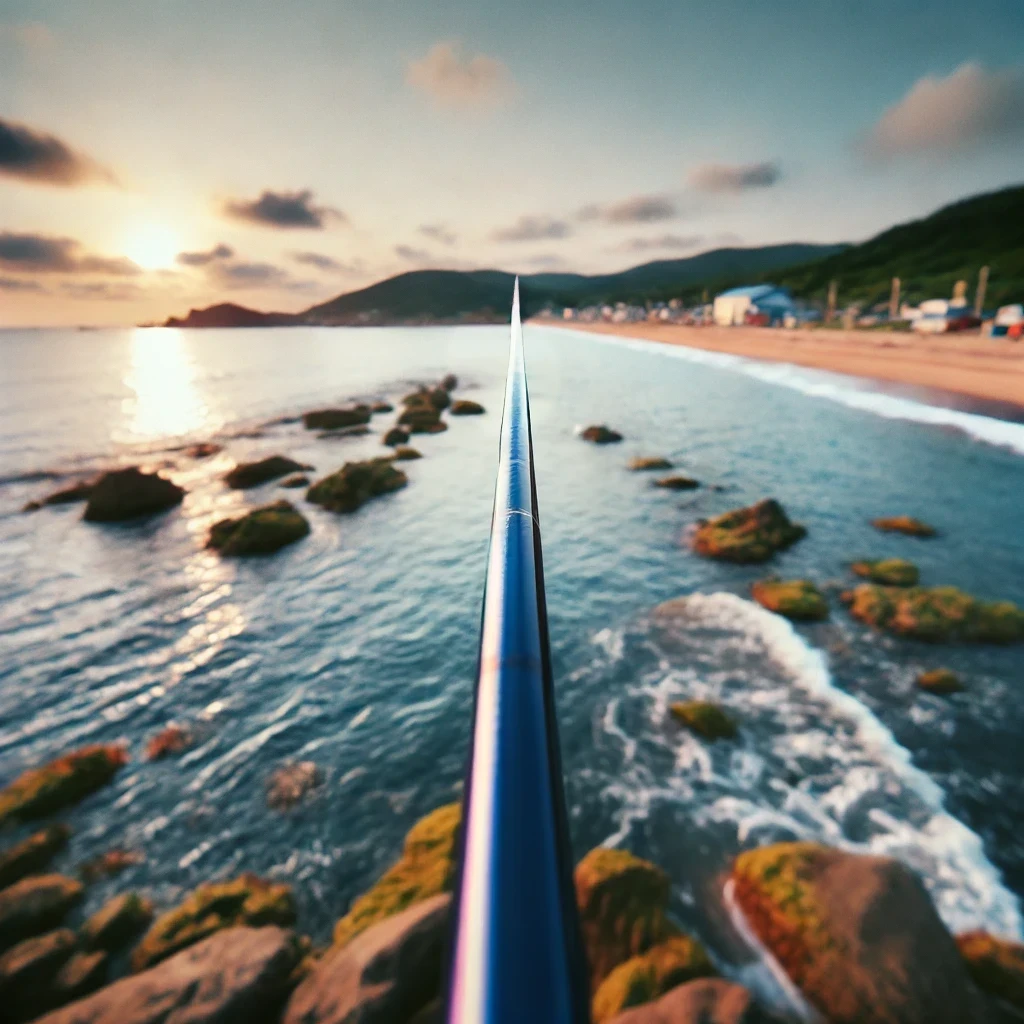
Pollock, a sought-after fish species, thrives near the ocean floor, often concealing itself among rocks and marine flora, waiting for unsuspecting prey. To effectively catch this predator, anglers need an understanding of specific lure movement techniques and an approach tailored to their environment. The following guide lays out best practices for lure movement, tips on reducing belt losses, and the ideal conditions to enhance fishing success.
The fundamental lure movement technique involves a series of movements that mimic the natural swimming behavior of prey, which can entice Pollock. "Most bites happen during the pause," said a seasoned angler. This aspect of the technique is critical, as it allows the lure to appear vulnerable. Here’s a detailed breakdown of the sequence:
"Most bites happen during the pause,"

1. Final Pause: Take a moment—2-3 seconds—to complete the movement cycle. 2. Repeat Rod Pull: Pull the rod towards the shore to create horizontal movement. 3. Second Short Pause: Allow the lure to sink a bit more with another pause of 2-3 seconds. 4. Repeat Two Reel Turns: Reel in twice to elevate the lure slightly, mimicking the motion of smaller fishes. 5. Rod Pull: For horizontal movement, pull the rod towards the shore again. 6. Short Pause: Again, pause for 2-3 seconds, encouraging the lure to sink further. 7. Two Reel Turns: Raise the lure slightly above the bottom with two reel turns. 8. First Pause: A wait time of 3-4 seconds is recommended for the lure to sink properly near the seabed. 9. Line Slack Adjustment: After casting, ensure that any slack is reeled in to keep the line taut for better lure control. 10. Casting: Finally, cast to your target area.

This sequence can be repeated as needed, offering a lifelike, enticing effect that draws Pollock. The careful balance of movement and pauses captures the predator's attention, significantly increasing an angler’s chances of catching them.
Focusing on movement close to the ocean floor is crucial as Pollock typically lurks among rocks and vegetation. "Pollock prefers to stay near the bottom, where it can ambush its prey effectively," noted a fishing expert. Maintaining movement close to the bottom is essential, as frequent snags can lead to lost lures. Rapid movements or surface techniques may only attract particularly aggressive predators, which are less common in these waters. While sporadic feeding frenzies do occur, indicated by feeding flocks of seabirds, they are more of an exception than a rule.
"Pollock prefers to stay near the bottom, where it can ambush its prey effectively,"
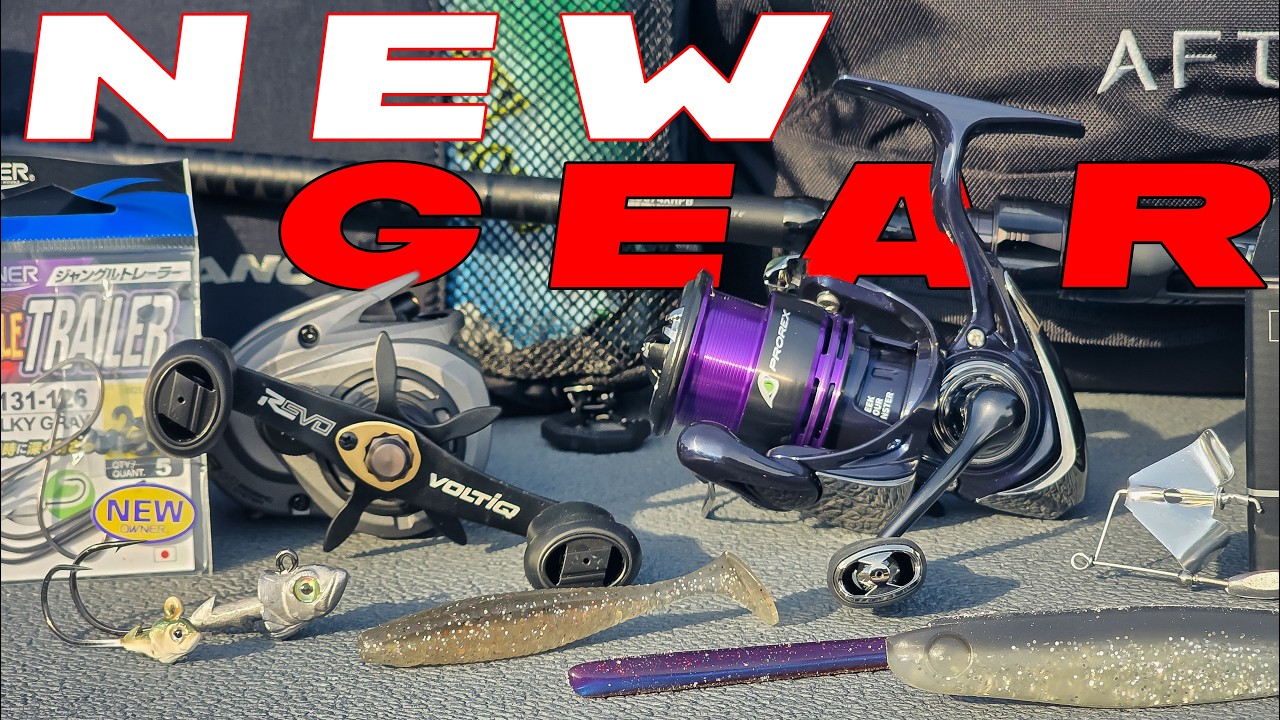
To further reduce lure loss during Pollock fishing, it is advantageous to select a sturdy braid or fishing line, ideally with a breaking strength of at least 35 lb. This provides the necessary strength and casting range for ocean conditions. "If you’re using braid, consider adding a fluorocarbon leader with a diameter of 0.60 mm or more," advised a veteran fisher. This leader serves to prevent unwanted tangles around the lure's treble hooks and protects the braid from abrasion caused by sharp rocks below.
An optimal leader length ranges between 30-50 cm, offering a balance between flexibility and resistance to snags. In most cases, snagged lures can be retrieved without issue, allowing for a more successful fishing expedition.
Impact and Legacy
Timing and weather conditions can significantly impact Pollock fishing success. Consider the following tips: - **Wave Height:** A maximum safe wave height of 2 meters creates natural movement attractive to predators. - **Weather Conditions:** Overcast skies or light rain with no harsh sunlight boosts visibility for both fish and angler, especially with a moderate wind of up to 20 m/s. - **Tide Phases:** Fishing during peak tide periods, particularly 2 hours after, usually proves fruitful as Pollock venture out to hunt. - **Time Leading to Peak Tide:** Fish tend to become more active in the hours leading up to peak tide when waters rise and increase prey availability.
Safety must be a top priority when fishing near rocky areas, especially during high tides. Familiarity with your fishing locations is critical. "It's best to leave the rocks about an hour before peak tide, as rising waters can create hazardous conditions," warned a safety-conscious fisher. Being aware of potential risks is essential for a safe and enjoyable fishing experience.
"It's best to leave the rocks about an hour before peak tide, as rising waters can create hazardous conditions,"
In conclusion, mastering the techniques of lure movement, preparing with the right tackle, and understanding the best timing and locations are fundamental to Pollock fishing success. With every movement and pause considered, anglers can maximize their chances for a rewarding day on the water.
Happy fishing! Enjoy your time connecting with nature and refining your craft.