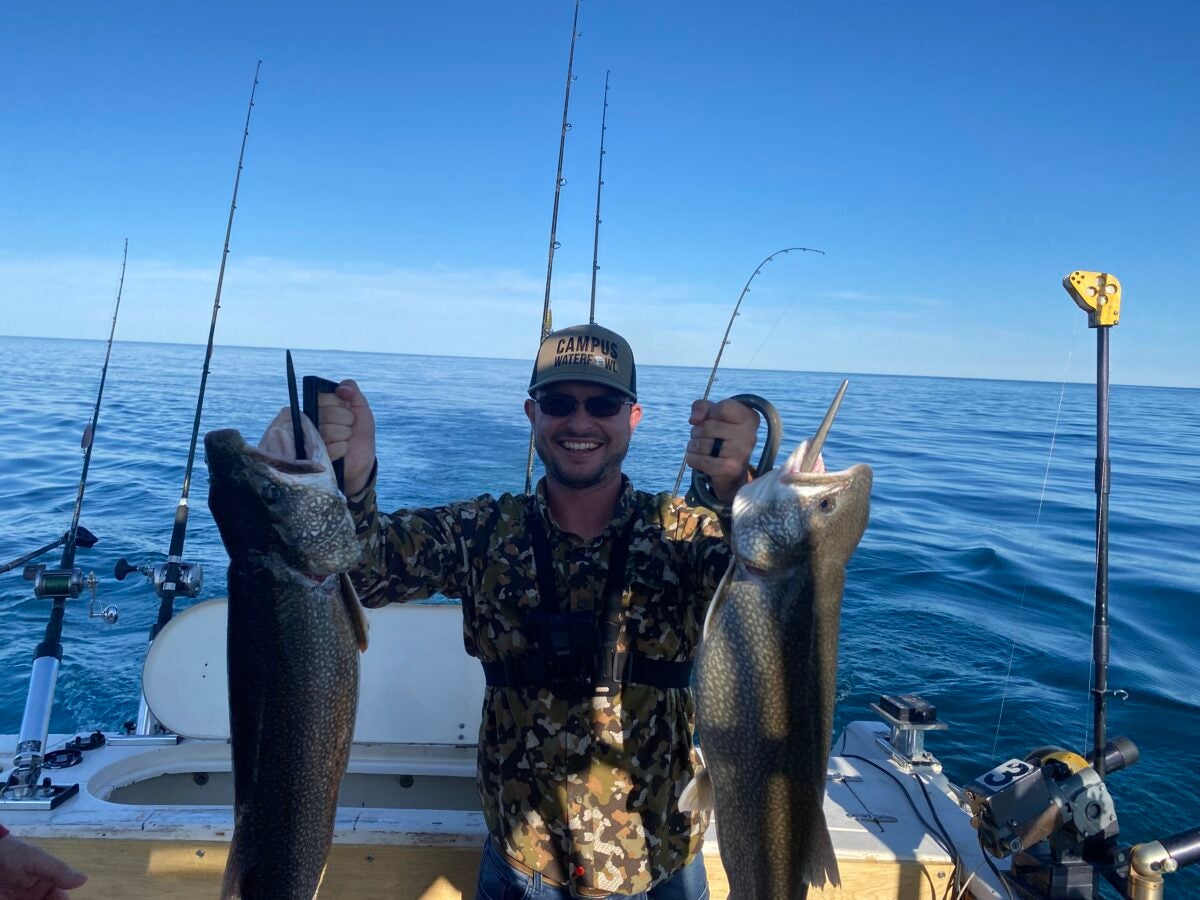
Trout fishing captivates outdoor enthusiasts with its diverse techniques, catering to various skill levels. Wes Littlefield, a seasoned angler, shared insights into four popular methods he employs to catch trout across the United States, emphasizing the fun and challenge each technique offers.
"There’s a broad appeal to trout fishing because of the numerous ways to learn how to fish for trout," Littlefield remarked. Understanding each method can help anglers tailor their approach based on the environment and their own preferences.
"There’s a broad appeal to trout fishing because of the numerous ways to learn how to fish for trout,"


Fly Fishing for Trout
Fly fishing remains a quintessential choice for trout enthusiasts, known for its intricacy and the skill required. According to Littlefield, "Fly fishermen and women use artificial lures called flies that mimic an insect or small forage fish to entice the trout into biting." This method can be particularly rewarding, demanding patience and technique.
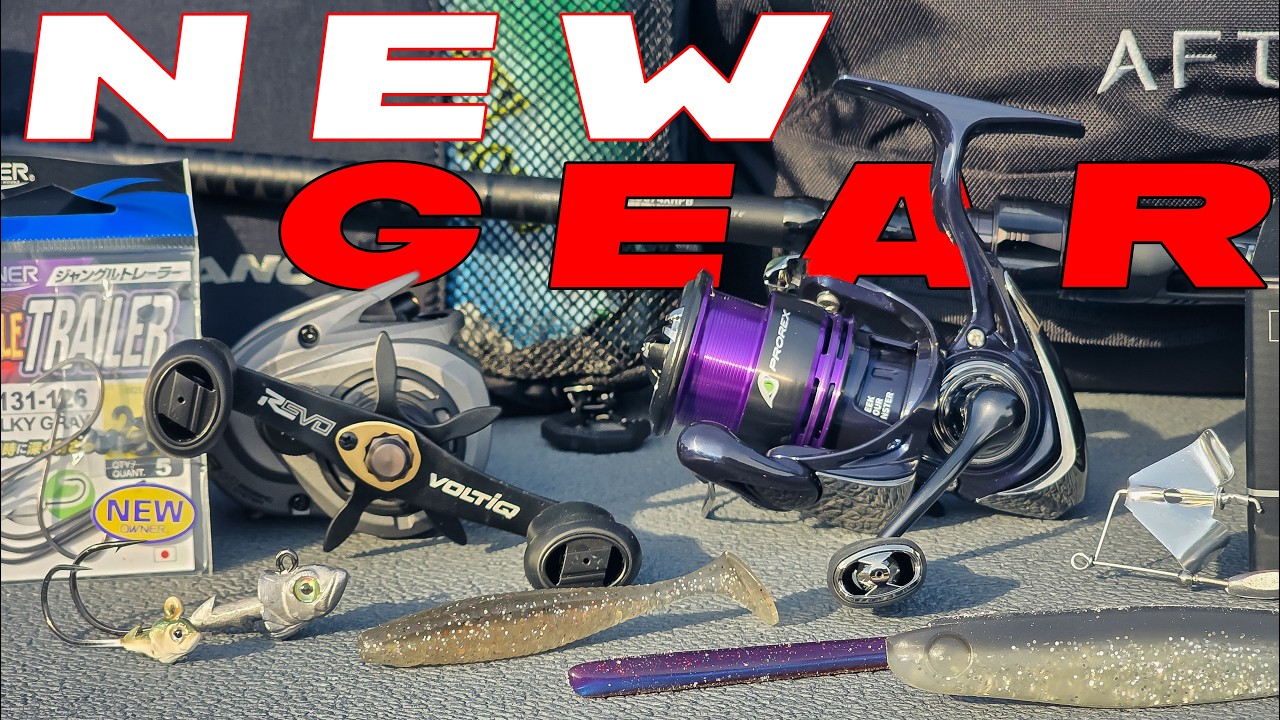
Astute fly fishers often wade into the water or cast from the shore. "When fly fishing a creek or river, cast upstream and let the current carry the fly down to the fish," he advised. Setting the hook after a bite requires a different approach; anglers should pull the fly line rather than reeling it in, enhancing the challenge.
"When fly fishing a creek or river, cast upstream and let the current carry the fly down to the fish,"
Casting for Trout
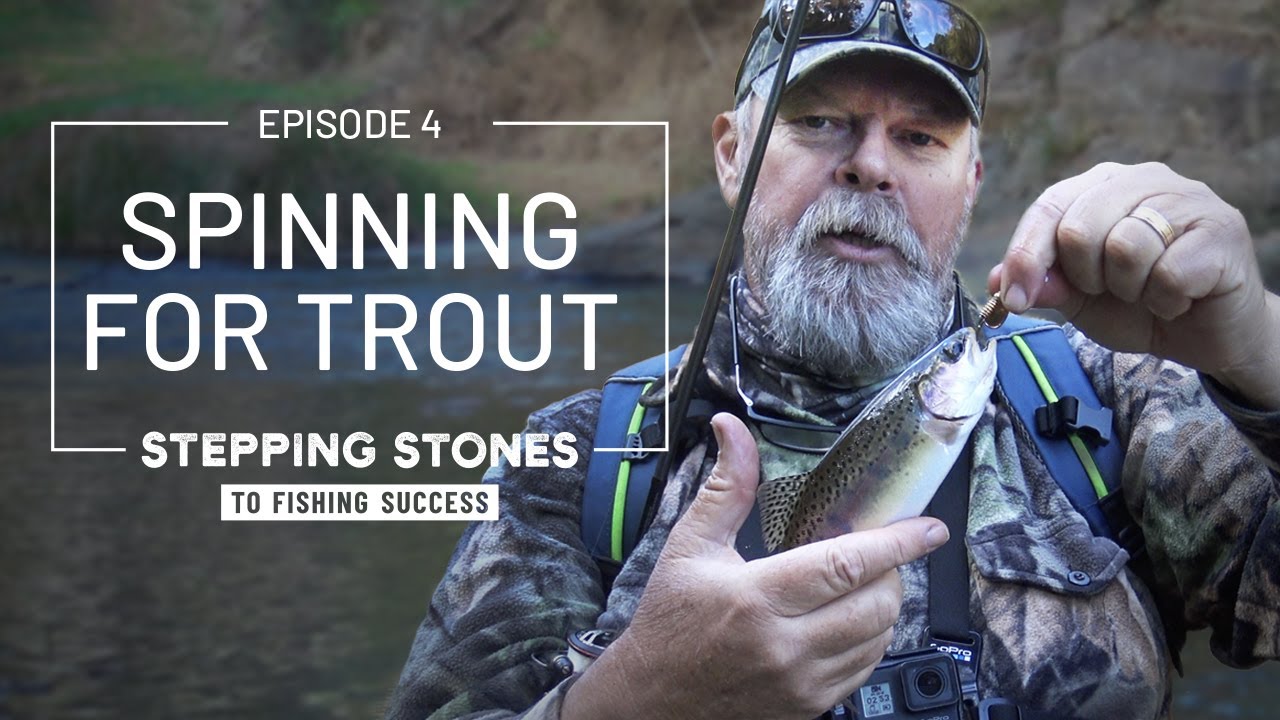
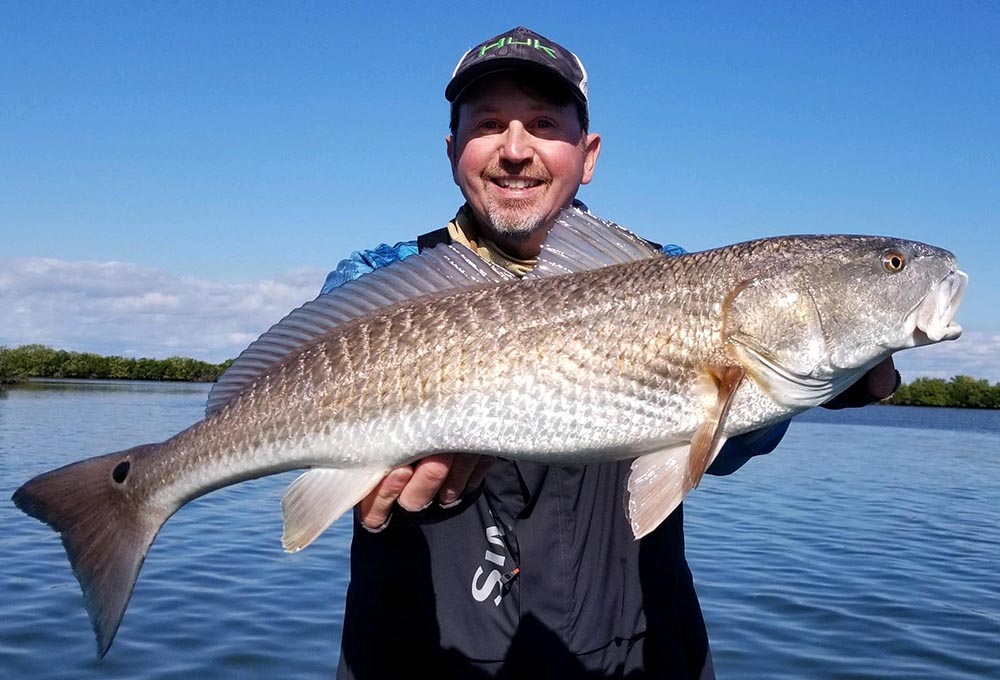
Littlefield shares a preference for casting artificial lures, noting, "My favorite way to catch trout is to cast for them with artificial lures, such as spoons, small crankbaits, and spinners." This method mimics techniques used in bass fishing, allowing anglers to target specific structures in rivers and stocked ponds.
Equipped with an ultralight spinning rod and reel, he advocates for a line strength of 4-6 pounds, which aids in striking the right spots. "I cast at current breaks and depth changes where trout prefer to spend their time," he explained. This dynamic approach keeps anglers engaged, making activities more exciting for children or those who may find traditional fishing tedious.
"I cast at current breaks and depth changes where trout prefer to spend their time,"
Using Baits for Trout
For many, bait fishing is a nostalgic method of connecting with the sport. Littlefield reflected on his experiences, stating, "I grew up using bait to catch trout." This technique often involves placing bait on a small hook and fishing in deeper waters or near current breaks.
PowerBait dough, artificial salmon eggs, corn, or worms are popular choices for bait, with different strategies required for various types; for instance, while PowerBait floats, other options like salmon eggs may need to be suspended with a bobber. "Most trout I catch with this technique are stocked rainbow and brown trout in rivers, ponds, or small lakes," he noted.
"Most trout I catch with this technique are stocked rainbow and brown trout in rivers, ponds, or small lakes,"
Trolling for Trout
Trolling is an increasingly favored approach among trout anglers, combining leisure with the thrill of fishing. Littlefield recounted his experiences, mentioning, "Using this technique, I’ve caught monster lake trout and brown trout in Lake Huron." The versatility of trolling makes it appealing to many.
Anglers who choose this method require a boat and typically use lures such as spoons. "Slowly pulling your lures around structure and depth changes is the best way to fish for trout while trolling," he suggested. Adjusting speed based on the depth and the trout's activity is crucial for success.
"Slowly pulling your lures around structure and depth changes is the best way to fish for trout while trolling,"
Last Cast: How to Fish for Trout
Ultimately, while the methods of fishing for trout vary, the spirit of adventure remains constant. Littlefield concluded, "I believe there are as many ways to fish as there are anglers." His experiences with these four techniques offer valuable insights for both new and seasoned enthusiasts, ensuring that the enjoyment of fishing is accessible to everyone.
In a world where fishing continuously evolves, embracing these approaches will enrich the trout fishing experience in 2025 and beyond. Whatever technique you choose, the key lies in understanding the environment and adapting your methods accordingly.