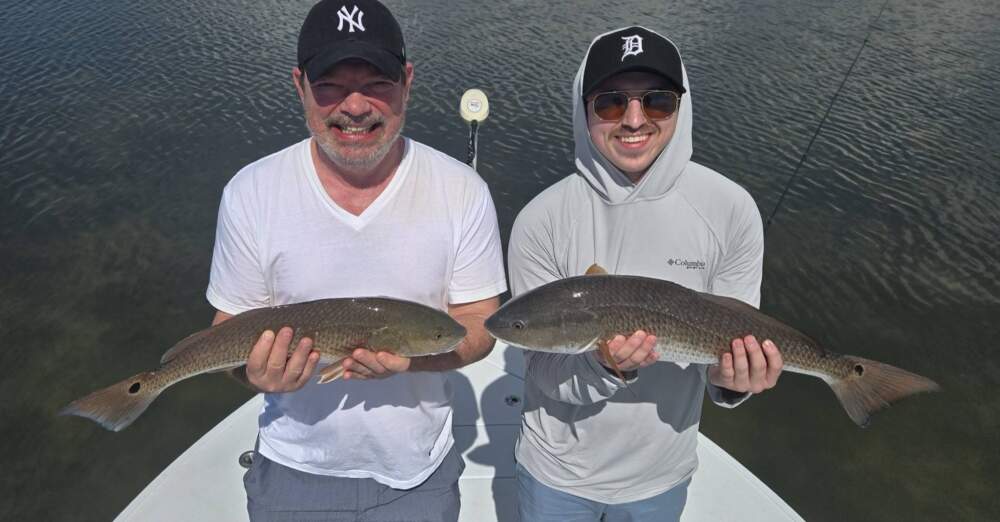
March represents a pivotal month for Tampa Bay anglers, offering a unique blend of winter reliability and emerging spring opportunities. As water temperatures gradually climb and daylight hours extend, fish behavior begins shifting from tight winter patterns to more active feeding routines.
The transition creates prime conditions for targeting multiple species across varied habitats. Early March often mirrors February conditions, with fish still holding in deeper channels and protected areas. However, as the month progresses, warmer water temperatures and increased bait activity draw fish toward flats, mangrove edges, and traditional spring feeding zones.
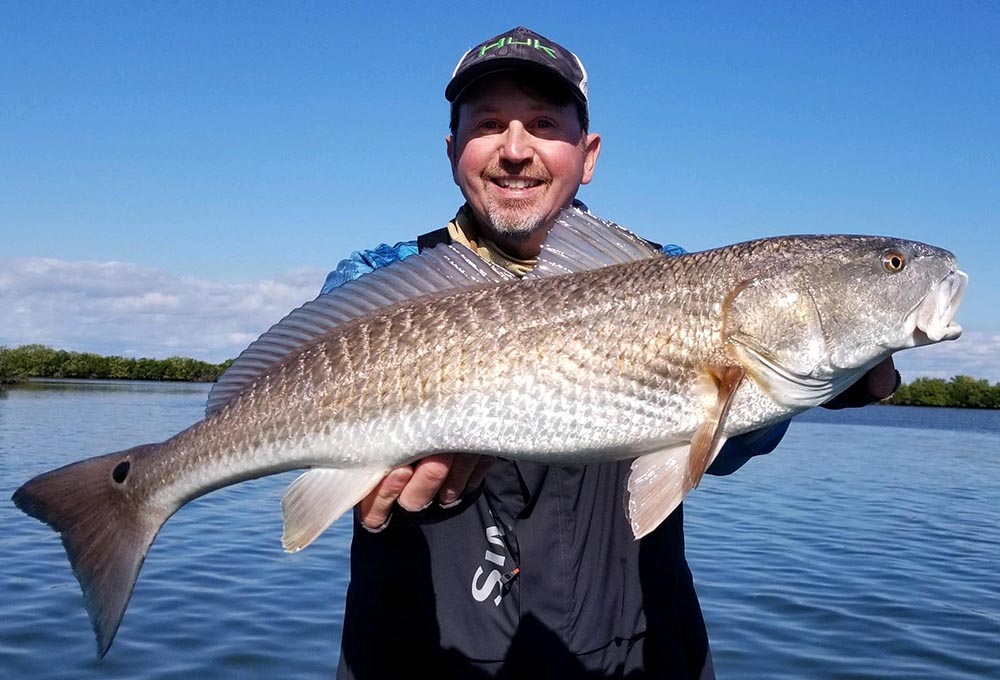
Redfish emerge as one of March's premier targets, benefiting from both winter grouping patterns and extended spring feeding windows. These copper-colored fighters utilize deeper edges during cool mornings but increasingly venture into shallow water as temperatures rise throughout the day.
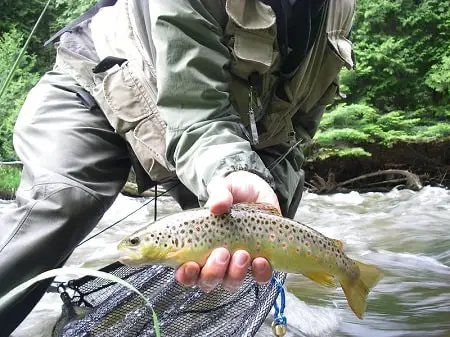

High tides prove particularly productive for redfish enthusiasts. When water levels flood mangrove shorelines, redfish push tight against vegetation to ambush prey in the safety of overhead cover. As tides recede, these same fish relocate to adjacent potholes, oyster bars, and grass-to-sand transition zones.
Career Journey

Career Journey
Career Journey
Snook fishing shows marked improvement as March progresses, especially in protected creeks and canal systems. Early in the month, these ambush predators concentrate in warm-water pockets near docks and deep drop-offs. Late March brings more aggressive feeding behavior, particularly during moving water and high tide periods.

Career Journey
Career Journey
Live shrimp and baitfish remain top snook producers, while artificial options include suspending twitch baits, paddletail soft plastics, and topwater plugs during low-light conditions. The key lies in matching presentation speed to water temperature – slower retrieves early in the month, more aggressive action as warming accelerates.
Career Journey
Spotted seatrout fishing follows a similar progression from winter to spring patterns. Early March finds these popular gamefish holding along deeper grass edges and channel drop-offs, requiring slower presentations and longer pauses between movements. As water temperatures stabilize, trout become more active across expansive grass flats, especially during periods of stable weather.
Sheepshead provide consistent action throughout March, though their prominence typically diminishes as other species become more active. These structure-oriented fish concentrate around bridges, docks, rock piles, and oyster bars where current flows deliver small crustaceans and marine worms.
Black drum offer reliable backup options when weather conditions make open-water fishing uncomfortable. These bottom-dwellers frequent deeper edges, bridge structures, and shell-covered hard bottom areas throughout the month, responding well to shrimp and crab-based presentations.
Successful March fishing requires adaptability to changing conditions. Water temperature, tide height, wind direction, and bait availability all influence fish behavior and location. Smart anglers prepare multiple game plans, switching between live bait and artificial presentations based on daily observations.
The month's transitional nature means morning and afternoon fishing can produce dramatically different results. Cool overnight temperatures often push fish deeper at dawn, while afternoon sun warming shallow flats can trigger feeding activity in areas that were vacant hours earlier.
Bait availability becomes increasingly important as March progresses. Whitebait schools begin appearing more consistently, while shrimp populations expand beyond winter holdover areas. Live bait typically outproduces artificials early in the month, but soft plastics and suspending lures gain effectiveness as fish activity levels increase.
Weather patterns remain influential throughout March, with occasional cold fronts still capable of shutting down shallow-water action. However, recovery periods between fronts tend to be shorter and more productive than winter months, offering extended windows of opportunity.
As March concludes, fish positioning and feeding behavior increasingly resembles true spring patterns. This sets the stage for April's more predictable and aggressive fishing opportunities across Tampa Bay's diverse ecosystem.
